What Can You Expect From Hearing Aids?

So you have taken the first step to hearing better, you have bought a set of hearing aids. Firstly, I would like to congratulate you. Well done, I do understand that for some people, this is a huge step. I won’t get into what I think of the stigma that exists and the psychological tricks that we play on ourselves. I will just admit I understand them and congratulate you for overcoming them. But what happens now and what can you expect?
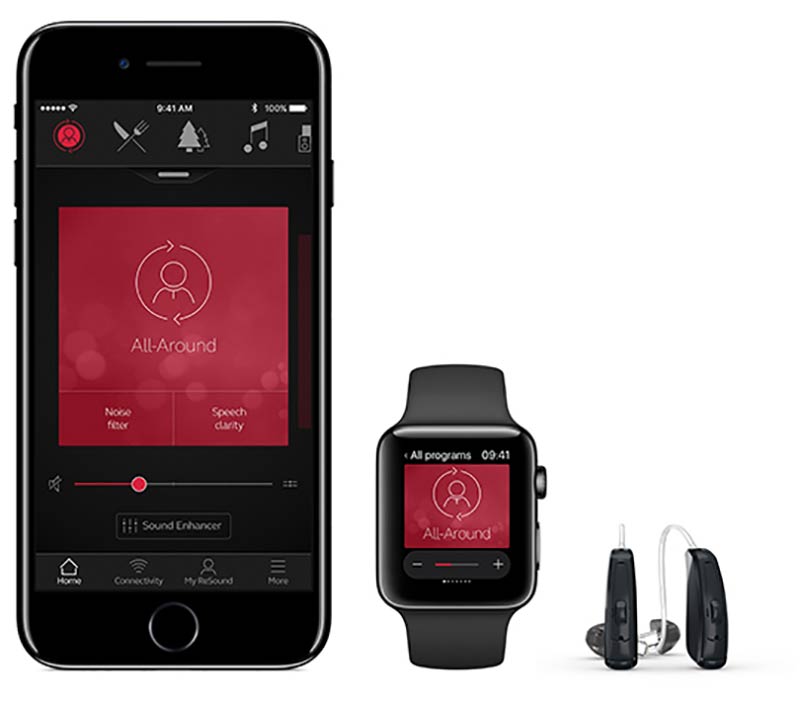
Resound Linx3D

Hearing aids are not normal hearing

Let’s be clear here, hearing aids are not natural hearing. They do not restore your hearing to the normal, before you lost some of your hearing. Hearing aids are just that, an aid to hearing. However, a good hearing aid which has been carefully fitted to you. Taking into account your type of hearing loss and your lifestyle, will make a significant difference in your life.

Modern hearing aids are amazing

Modern hearing aids are quite astonishing in comparison to the devices available five or ten years ago. They deliver well, even in noisy and complex sound environments. But, hearing is not like sight and hearing aids are not like glasses. You cannot compare hearing aids to glasses. When you wear a pair of glasses for the first time, you see the difference straight away. With hearing aids you will see a huge difference but you will have to get used to hearing differently.

Acclimatisation

The initial period after the fitting of a hearing aid is generally called acclimatisation. Rehabilitation doesn’t in fact start until after the initial period. The period of acclimatisation varies from user to user. When we first fit your hearing aids, we will not fit you with a full level of amplification to help correct your hearing. The reason is pretty simple, you wouldn’t like it.

Over a period of time we will move you towards a full level of amplification for your loss. That period of time varies from user to user. In general I find that most users acclimatise to full prescription within six weeks. Again, that can vary. It can take up to four months for you to get accustomed to your hearing aids and be accepting of full levels of amplification. In fact, real rehabilitation only starts then.

In general I schedule an appointment with a new user three weeks after the initial fit. During that appointment I will begin to gather feedback on experiences. I will use that appointment to increase the level of amplification towards the prescription level. I will also check that the user has read the information I have given in relation to the hearing aids and can perform the cleaning and care. 

A new hearing aid users secret weapon….. a notebook!

I will then schedule another appointment for three weeks time. This appointment is similar in nature to the initial follow up. However, at this appointment I will move the user to full amplification and explain what I want them to do for the next month or so. In essence what I want them to do is to start gathering information about how they are hearing. More importantly, how they would like to change that. I always advise people at this stage to start taking notes in a note book. Good observations written down at the time will always beat memory, this should be your secret weapon of choice!

Rehabilitation

The rehabilitation period can also vary by user. For some it is a couple of months, for some it is longer. I will often need to adjust the hearing aids several times during your rehabilitation period. The prescription levels of hearing aids are based on years of research to deliver what you need when you need it. However, sound is a very personal sense. In my experience it is rarely that someone ends up on exactly the prescription level.

Some want some more bass, some want some more treble. Like I said, it is a personal sense. This is a team effort, so do not be afraid to speak up. The greater amount of information you give me, the better we can make the hearing aids for you. When you first begin to use hearing aids, your brain will start to hear sounds that it has been missing.

You need time to get familiar with the high-frequency sounds of speech and environmental noises. Don’t forget, you probably haven’t heard them properly for years. Initially, your brain isn’t sure what to do with them, but it learns quickly enough. Re-acclimating your brain to normal levels of sound, after years of hearing loss takes a little while.

Geoff….When I flush the toilet!!!!!!

Your perceptions of everyday sound will improve over time. At first, all sounds will seem loud. The common observations are that your clothes rustle as you move. Yes, they do. You can hear your feet on carpet, yes, I can to. Your footsteps on wooden floors are loud. Yes they are. Running water will give you a real fright and the news paper rustles when you change the pages. Yes and yes again. Welcome back to the world.

When your hearing was normal, you heard those sounds and just ignored them. Now that you are correcting your hearing loss, those sounds are almost new again. These sounds will become part of your subconscious again as your brain begins to reduce the focus on them.

When I see you after the initial acclimatisation visits I want you to go over your lifestyle and what you have done with your hearing aids. This will help me understand where there may be issues and the need for adjustments. 

As you move through your rehabilitation period I will change and re-programme the hearing aids. For instance, I may add one or more sound programmes. These are programmes with fixed adjustments for certain situations. For instance I will probably add a music programme, music is different from speech and needs a different focus. So adding a specific music programme makes sense. 

I also may add a programme for experimentation. If you talk about certain problems in certain situations, I will set up a programme specifically with that situation in mind where you can try it out and give me feedback. This allows me the info I need to make adjustments that are suitable. All of this happens over time, if I tried to sort all of this out at the start, it would be way too much to handle. 

Hearing aids are a team sport!

A relationship with the professional

Like I said, hearing aids are a team sport, you need to be equally involved in the process. You need to have a good and ongoing dialogue with your audiologist. This is why the relationship between you and your professional needs to be good. The more information you tell them about your experience using hearing aids, the better they can change them to suit you. Fitting a hearing aid is an ongoing process. As you become more familiar with your hearing aid and how it works for you in different situations. You can give your Audiologist the information they need to make the hearing aids work better for you.

Before you attend your follow up visits it is important that you consider a few things. Be sure to note the sound quality of your hearing aid in different sound environments. Does it sound hollow? Is the sound too loud or soft? What sounds are too loud or soft? Is it soft sounds, medium sounds or loud sounds? Does the aid whistle? Do you use all of the programmes? Would you like a programme added because you think you will use it?

So, what’s the main takeaway for you here? Hearing aids are a process, but they are a process worth sticking with. Find an Audiologist you get on with, because you and them are going have to work together. Be part of the process, take your notes, explore the power of your hearing aids. Congratulations on taking the big step, don’t let it be in vain, understand the process and work with it. 

If you like what you see, share it so others can benefit

Find An Independent Hearing Aid Centre in Your Area

Arrange a consultation with a trusted Independent hearing healthcare professional in your area
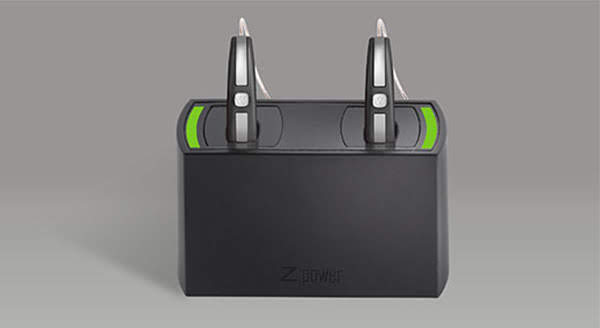
The Beyond Z Rechargeable Hearing Aids Finally Arrive

The Beyond, Rechargeable, What’s Not To Like?

So the Beyond Rechargeable hearing aids are finally arriving in the UK and Ireland. The Beyond has had its problems, just like many other of the Made For iPhone hearing aids, but since they pushed out the firmware upgrade they seem pretty solid. I believe there is another firmware upgrade in the works which will make them even more solid. Rechargeable has been around a while now, so I asked one of the Widex team what was the holdup? The answer came a little out of left field and opened up a lot of questions.

CE Mark

So, the Beyond hearing aids are CE compliant, and Z Power’s rechargeable system is CE compliant, however, when you put the two together, they are no longer CE compliant. That surprised me, in fact, I was a bit flabbergasted. So, I decided to ask around a bit, I am sending out emails as we speak, but Oticon have already responded, their Opn rechargeable is CE marked and they went through the process. I hope to hear from other manufacturers over the next few days. Anyway, let’s talk about the Beyond Z. 

Widex Rechargeable Digital Hearing Aids

BEYOND Z™ is a rechargeable battery solution for the BEYOND range of hearing aids, created in collaboration with ZPower.   The good news is that current BEYOND users will be able to get BEYOND Z™ by having a hearing care professional retrofit their current BEYOND hearing aids with the rechargeable system. BEYOND Z™ will cover all BEYOND models S, M, P and HP at all technology levels. 

Beyond Z rechargeable hearing aids

The Benefits For You

The BEYOND Z™ is charged and ready to go within 3-4 hours which will give you all day use. ZPower batteries last a whole year and only need replacement once a year. The ZPower batteries are interchangeable with disposable zinc-air batteries which means if you forget to charge or get caught out, you can simply use normal hearing aid batteries. Widex say that the Beyond Z offers the very best battery life in it’s class. I would tend to believe them, Widex generally don’t make claims that they can’t back up. 

  • Rechargeable silver-zinc power cell
  • 24 hours continuous use
  • Available in all levels of tech
  • Easy to replace battery pack
  • User can use disposable batteries if needed

Like I said, I am glad they have finally arrived, but the arrival has actually raised some questions. Widex have the CE mark, Oticon also do, do all the others? I will let you know when I find out.

If you like what you see, share it so others can benefit

Starkey Halo 2, How Good Are They?

So, I have a mild bordering on moderate high frequency hearing loss. It never really causes me much grief except if I am tired and in noise. Then it causes me grief, however, I have been wearing differing hearing aids for the last few years when I am in these situations. Recently, I tried out the Halo 2 from Starkey, I am not sure what I was expecting really, but I was pleasantly surprised. Let’s talk the Halo 2 Made For iPhone hearing aids. 

Halo 2 i2400

Starkey Halo 2 with comfort tip

So the aids I was given were a set of black and sterling silver Halo 2 i2400s which are the top of the range Made For iPhone hearing aids from Starkey. The devices were the 312 configuration (they took a 312 battery). They are small enough, they also have a nice curve on the inside edge of them which allows them to sit on the ear very nicely.

They are pretty discreet RIC (Receiver In Canal) deviceand sit well on the ear, the design of the ear wire means they sit tight to the face. I had sport locks on mine and at first I found them a pain in the ass. Not used to them, but, after a while they were easy enough to tuck into my ear.

Interesting Instant Tips

So, the Starkey’s came with some interesting instant tips. They call them comfort tips and I think they are probably unique in the hearing aid business. I certainly don’t ever remember seeing anything like them before. They are reminiscent of typical tips to be found on earphones, except they are designed as open tips with pieces cut of them.

They are very comfortable, but, I believe they are more occluding than the typical open tips I am used to. Let me explain, I have really good low frequency hearing. So if i block up my ear canals I suffer with the effects of occlussion. I feel reverberation in my ear canals when I speak or eat. Pretty damned irritating to be honest.

This unhappy situation is usually dealt with my fitting any hearing aids with open fit tips which allow a lot of the low frequency energy to escape from the canal. The Starkey comfort tips are really comfortable and the sound quality of streamed audio or music through them was really good.

But, they irritated the life out of me and I eventually changed them for a set of open tips. I am sorry I had to, because the streamed audio suffered for it. It wasn’t as bassy with the new tips. However, it was still pretty good. If you don’t have problems with the comfort tips, use them, they deliver excellent sound balance.  

Stream Boost Memory

So the Halo 2 enters a memory called Stream Boost when you begin to stream audio from a phone or tablet. This is a nice feature because the sound quality is pretty good, delivers a nice bit of bass and makes music well rounded. The problem with streaming for many people with typical high frequency hearing loss is that audio streamed through the hearing aids sounds tinny. This is because the low frequency amplification there might be typically escapes the canal. Starkey deal with the problem by automatically boosting the bass of the streamed audio. 

The App is pretty Cool

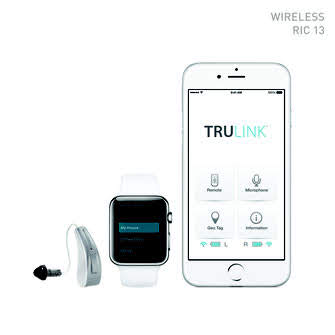
Trulink app

The companion app  is cool enough, it seems to have endless opportunities to save your own custom memories. Changing the settings on a memory is a bit un-intuitive though, it involves an x and y axis system where one access is intensity and the other is sound quality. I mean it is easy to use, but it takes a bit of thinking about. Most of the other manufacturers use a bass mid and treble set up that you manipulate. The Starkey system is actually a bit more incremental than others and probably suits audiophiles much better. However, it takes a little while to get a handle on. 

Performance in noise

So, having got that all out of the way, how do they perform? I have to say they perform pretty well, they delivered a little more high frequency emphasis than I was used to, but that was okay. I never found it uncomfortable in any way and it made things very distinct, delivering pretty good clarity.

General performance

I have to say general performance was pretty good, the automatic programme was excellent and any changes that were happening seemed to be seamless. They delivered excellent clarity in all of the situations I found myself in.

Bluetooth performance

Unfortunately I wasn’t able to really put them through their paces when it came to Made For iPhone. I am not an Apple Fanboy and I wasn’t buying a phone for the test. I did pair them with an iPad and I was pretty happy with the sound quality delivered. The connection also seemed to be quite robust. There was the occassional issue, but no more than I would expect with Bluetooth. 

For instance, when I went out of range of the iPad and then came back into range, the right hearing aid would refuse to connect. I opened and closed the battery doors to re-connect but it refused. So, i turned the bluetooth on the iPad on and off. Hey presto, they both connected just fine. Like I said, I would kind of expect this from Bluetooth, so I wasn’t really phased. 

Occasionally if i moved the iPad suddenly, the audio being streamed got a little garbled. Not hugely, it was still understandable, but a little garbled. Again, I think this is a combination of Bluetooth and antenna technology in the hearing aids and the iPad. I would like to emphasise again, this isn’t any more than I would expect with Bluetooth. 

Pretty happy

I have to say I was pretty happy with them, their performance was excellent, sound quality was good and clarity was there in all the situations I was in. If you are looking for a set of Made For iPhone hearing aids, the Halo 2 i2400 seems pretty solid.

If you like what you see, share it so others can benefit

Find An Independent Hearing Aid Centre in Your Area

Arrange a consultation with a trusted Independent hearing healthcare professional in your area
Buying Hearing Aids on Ebay?

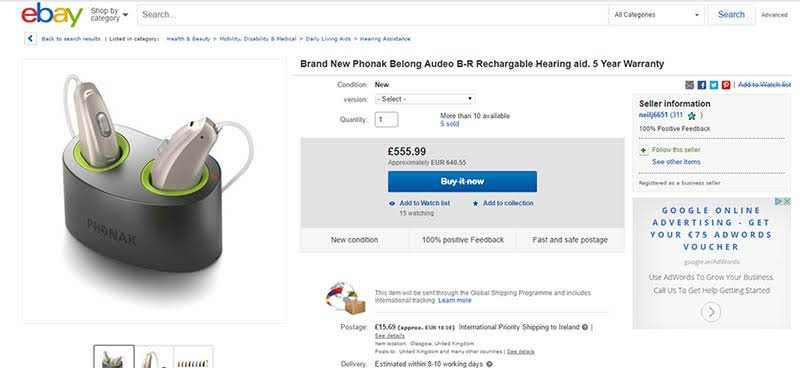
It recently came to our attention that brand new top of the range hearing aids were being sold on ebay at what was being called wholesale prices in the UK. We were a little surprised by it. A reader asked us what we thought about it and the possible value it represented. So we thought we would write an article about it. 

Online Sales of Hearing Aids

Firstly, we don’t think online sales of hearing aids are a bad thing when there is an infrastructure set up to cater for it. By that we mean that the online sales are supported by a testing and fitting infrastructure either online or offline. For instance, Blamey and Saunders in Australia deliver a system we would support as does iHear and Eargo in the US.  

The system that our reader brought to our attention doesn’t seem to have any of those things. It is simply selling hearing aids unprogrammed and sending them out with the advice to look for a local hearing healthcare provider to test your hearing and fit them. While the listing below is for a set of Phonak hearing aids, they also advertise Widex and GN Resound hearing aids. 

Ebay listing for Phonak hearing aids

At the bottom of the description it gives a link to the manufacturers Find a Professional Page. I doubt very much if the manufacturer is very happy about that and I know the Professionals won’t be

At the bottom of the description on the page it says “To get the best experience it is recommended to have the hearing aid properly tuned by a qualifed audiologist. To find an approved Phonak partner please check the Phonak.com website (local fees for hearing aid tuning services may apply. These will vary from clinic to clinic. Typical guideline costs are £80 for hearing tests, and £150 for hearing aid programming)”. 

It also includes a link to the Manufacturer’s Find A Professional Page. I would imagine that neither the Manufacturer or Professionals are exceptionally happy about that. In fact I would imagine many are spitting blood. 

What Do We Think?

So, back to the question that started it all, what do we think? We think this could be a bad idea for you, for several reasons. Firstly, I think most hearing healthcare professionals initial reaction will probably be negative. In fact I think they may rather set fire to their hair than fit these for you although I may be wrong. Even if you find a hearing professional who is willing to test your hearing and fit these aids for you for £230 quid, what are you going to do about aftercare? 

More Than Just Fitting Involved

You will need aftercare and Professionals won’t be willing to see you without payment, in the short term you will need a couple of visits to get everything right. Just how much is that going to cost? In the long term you will need at the very least yearly follow ups, again how much will that cost? 

Warranty Repairs

On the advert it says that there is a free five year warranty included, again though, who is going to service that warranty? I think anyone but the Vendor will probably charge you for handling them. I don’t know what that charge would be, but I know I would charge you. So if you don’t want to pay a handling fee, the hearing aids will have to go back to the vendor on ebay to be repaired. You need to consider many thing here, balance them up and then make a decision.  Here are the things you need to consider. 

  • Will someone fit them for you?
  • How much will the hearing test and fitting cost?
  • How much will it cost for aftercare visits? (you are going to need them)
  • How much will it cost for repairs to be handled?
  • Will the extra costs mean a net saving or loss for you?

Listen, we aren’t telling you this isn’t a good deal and we most definitely aren’t telling you not to do it. What we are telling you is that you need to carefully consider all of the parameters involved here. I personally think that you should discuss it with a health professional before you do it. You need to know that someone will actually take care of you, otherwise you will be left with some very expensive ornaments.

You can see our definitive advice on buying hearing aids online here Buying Hearing Aids Online – Buying Hearing Aids Online? Here is What You Need To Know

If you like what you see, share it so others can benefit

Three new year resolutions for all hearing aids wearers

It’s the 11th January, which means if you are anything like me you’ve probably given up on your New Year’s resolutions about nine days ago. Even so, here’s a few New Year’s resolutions for hearing aid wearers to help you get the most from your hearing and hearing aids in 2017. 

Get a dehumidifier pot

They are cheap, easy to use and very effective in keeping your hearing aid working at its best and prolonging its lifetime. Moisture can buid up inside a hearing and cause problems, I find if I don’t use a dehumidifier often enough my aids start to make an occasional crackling sound. If you leave moisture to build up for too long it can cause damage to the electronics inside the device, so you’ll probably end up with a repair bill, or even worse, needing a new hearing aid. Pots cost $10 and work for a very long time, a good investment. 

Moisture is especially a problem for in-the-ear hearing aids but behind-the-ear models will also benefit from a night in the pot. If you have a heaing aid, get a humidifier pot. 

Clean your hearing aids

A dehumidifier pot gets rid of the moisture but it won’t shift earwax, hairs, dirt and godknowswhatelse is stuck to your hearing aid. Aids can get blocked up and cause them to not work as well as they should, all models have at least one microphone input and one sound output, any of those can get blocked up with wax or other gunk and need a clean – any sounds coming in to your ear that are going through a wall of wax are not going to be as clear as they should.  

When you bought your aids you should have got a little tool set with it. You would have got some stiff brushes 
and maybe some other tools for removing filters, depending on what type of aid you have. It’s time to dig them 
out of the draw. 

We will at some point do some detailed instructions on cleaning and maintaining hearing aids, but here’s a quick  
overview: 

For behind the ear models: clean the shell (the bit that goes in to your ear) with a baby wipe or anti-bacterial 
wipe. If you have an air-blower tool, pull the wire off from the hearing aid and use the blower to clean out the wire. The actual hearing aid unit is usually clean in behind-the-ear models but moisture can still get in to it, so a dehumidifier pot is your friend. For these models, concentrate on making sure the mould/shell that goes in to your ear is wax-free and clean. 

For in the ear models: cleaning these can be a bit more tricky as you need to clean the actual hearing aid unit. Whatever you do, do not soak the hearing aid in water! Before doing any cleaning, remove the battery from your aid and make sure the battery door is propery closed, you do not want to accidentally break off the battery door and you do not need to clean inside it, so make sure it is closed. Use an anti-bacterial wipe to gently clean the outer shell of the aid and remove any wax or dirt – any stubborn grime can be scraped off with a finger nail or one of the hook tools you may have got with  your aid. In-the-ear models will typically have a filter at the bottom, the bit that goes deepest in to your ear, which is there to stop any wax getting in to the aid, this filter can get blocked with wax and need changing – if you have an aid like this you will have a filter-removal tool for this. 

If you don’t want to clean your own aid then get your hearing aid supplier to do it, it will take ten minutes to do and will help your hear better and keep your hearing aid working properly for longer. 

Show the world

A lot of people try to hide their hearing aids, I did for many years, but it actually makes a lot of sense to keep your hearing aids visible and to make sure everyone knows they are there. Hearing loss is an invisible disability, which means that often people are not going to know that you have problems hearing them unless you let them know – if you have your aids on display then it saves you having to tell them, they’ve already seen your hearing loss, so hopefully that conversation is a little easier for you. Hiding your hearing loss makes communication more difficult for you –  if you are embarrassed to show your aids, ask yourself this, which is more embarrassing: someone seeing your aids or having a super-difficult conversation where you said the wrong thing because you didn’t know what they were saying?

Norwegian Start Up Raises 23.3 Million Kroner For Hearing Aid App

Norwegian company Listen a start up in Oslo has just raised funding to move forward with its product to market. The company has designed a digital hearing helper app, which when combined with a Smartphone and earplugs gives the ability to hear better in different situations.

The product offers custom amplification of sound to match a user’s hearing ability. There are separate sections for music listening and a filter for voice enhancement. 

Listen promo banner

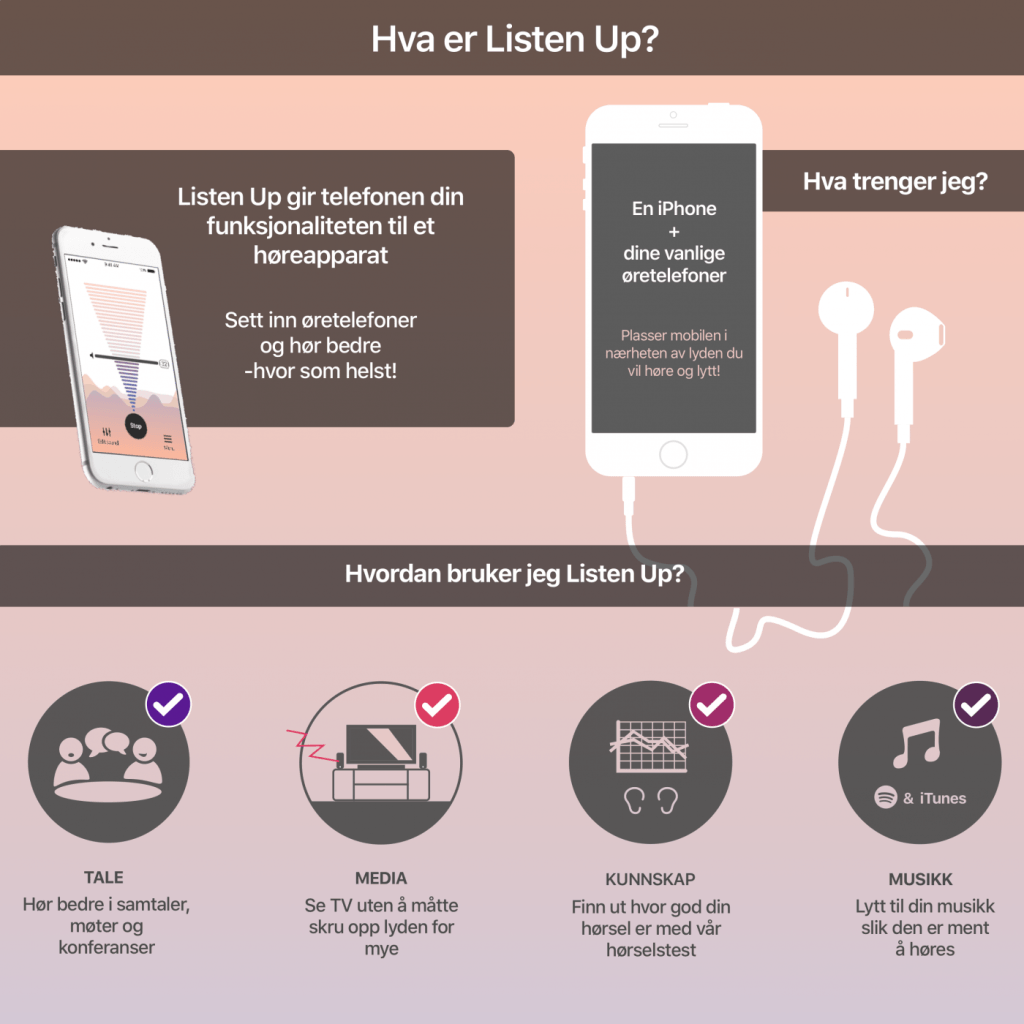
In essence the app turns a smartphone into a hearing aid by using the microphone to capture sound which it digitally processes and utputs through the ear phones. The company is currently planning to manufacturer it’s own hardware ( headphones or headsets) because they feel the different hardware on many of the different smartphones may not be up to scratch. 

The app has both noise reduction and directionality features which they feel are not done justice through the existing smartphone hardware. So it makes sense for them to design and manufacture proprietary hardware to deliver the very best experience. They have had exploratory talks with several major technology companies that could participate in the development of the earplugs.

While the infographic below is in Norwegian, I think it gives a good idea of the power of the app. 

Listen Infographic

Aimed at Occasional Users

The company believes that their product will be ideal for people who feel they only need a hearing aid in certain situations. Situations with a lot of noise, where people with even relatively minor hearing problems have difficulty. The envisage servicing the group who need hearing support “on demand.” In fact there has been several introductions aimed at this group including BOSE HearPhones of late.

 Challenges To Overcome

There are still some technical challenges. For example, there is too much delay in audio bluetooth transfer in order for the company to make the system wireless. The microphone on smartphones is also not optimal for the full function of the product. Again, the money raised will help the company move forward in their research and they hope that a hardware partner will help them to introduce the product to market in 2017

If you like what you see, share it so others can benefit

Signia Introduces Instant Fit Invisible Hearing Aids, The Signia Silk

Signia (the artist formerly known as Siemens) has introduced a new instant fit CIC range called the Silk™. It is a very small ready-to-wear CIC hearing aid, Signia say almost invisible. According to Signia, Silk offers high comfort, no waiting, and near-invisibility, which makes it a top choice for first-time hearing aid wearers. Further, Silk offers all of the audiological advantages of Signia’s primax™ technology platform and binaural OneMic directionality. So let’s talk a little bit about instant fit CIC hearing aids

Instant fit CIC hearing aids have been around for a long time both as analogue hearing aids and digital devices. The first ones I ever met weren’t programmable, Amplivox, now Amplifon used to have a set right at the bottom of their price list called the Poppet. It was set to a specific hearing loss and it came in one size, it either fit or it didn’t, it either worked for you, or it didn’t. We couldn’t programme it or change it in anyway.

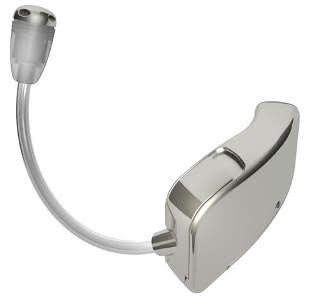
The GN Resound Be

GN Resound Be

Around 2008, Resund introduced the Be, it was the first of their microphone in helix devices and it was an instant fit hearing aid. The original Be was similar in nature to a CIC, although because the microphone was removed from the device and attached by a wire it really doesn’t fall into the category. Resound are still the only manufacturer who uses this style of hearing aid, although now most of them are custom fit devices as opposed to instant fit.

The Be wasn’t a bad device, it had some issues with feedback and the damned microphone cover either kept getting clogged up with dry skin or just falling off. Otherwise, it seemed to work pretty well for the people I fitted with it. Although in fairness I didn’t use the instant fit very often, more often than not I fitted the custom version. 

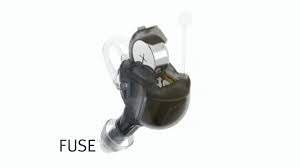
The Unitron Fuse

The Unitron Fuse

Unitron quickly followed with their own programmable instant fit CIC. They introduced the Fuse hearing aid around 2009, again it was an instant fit device which used different silicone tips to stay secure, it also had a special elbow which allowed the device to fold around different canal bends. They didn’t really catch on, I mean they were a cool idea and Unitron tried to ensure they would fit the bulk of people, but the profession wasn’t really enthused with them. I never got to play with them, I had moved to a manufacturer by the time they were introduced. I did speak to many who used it though, the feedback was generally okay. They said there was some fitting issues as it didn’t fit every canal and they weren’t exactly small, but overall they weren’t bad. Again though, they just didn’t really catch on. 

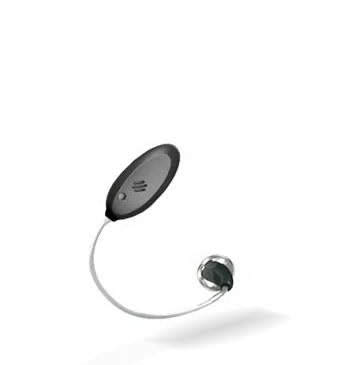
The Siemens Vibe

Siemens Vibe

Siemens has played with this concept before, it introduced a device around the same time that the BE was introduced called the Vibe. It wasn’t an instant fit CIC but it was similar in concept to the Be except in the reverse. The hearing aid fit in the helix of the ear while a speaker on a wire went into the canal. I only mention it here really because it was a fascinating piece of thinking from Siemens. In truth it was really a Receiver in Canal device but the strangest one you were ever likely to see. Again, I don’t think either the profession or the public were ready for the device, but it was an inspired piece of innovation.

They also introduced an instant fit CIC a couple of years later. It was similar in nature to both the Fuse and their new Silk device. In essence it was a CIC module that could be fitted with a series of different tips. It was programmable and it was based on their latest technology. Again, it didn’t really catch on, I know a couple of Dispensers had some issues with feedback (whistling) from the devices and that put them off. However, I think it was probably as much the consideration of the professionals and the buying public that stopped it becoming hugely popular. It simply just didn’t catch on.

The Signia Silk

Signia Silk Primax

Signia reports that Silk is the first completely-in-the-canal (CIC) hearing aid that’s both almost invisible and ready to wear. The devices are powered by Signia’s latest primax chipset and are designed to fit up to 80% of all ear canals. The Primax chipset has been around for a little while now and feedback from Dispensers and users is pretty good.

The device uses the flexible Click Sleeve to provide an immediate and comfortable fit. In essence Silk offers what all instant fit CIC devices have up to now, the possibility that you can walk in to the Audiology office and walk out the same day with a new CIC hearing aid without having to wait for a custom-built device. The question really is, will you want to? 

Scott Davis, CEO of Signia said “First-time hearing aid wearers often prefer the near-invisibility that up until now could only be achieved with a custom-made CIC, yet they don’t like the extra wait time needed for the manufacturer to custom build the instruments,”. He also said, “Silk solves this problem by combining both the acoustic and cosmetic benefits of an advanced custom CIC with the immediate availability of a RIC. In fact, we think of Silk as a RIC without the wire.”

The Impediments to Adoption

Before I move on explaining a little about the device, I would like to look at the Signia statement. It is very rare that someone walks in to our offices looking for a hearing aid. Although, in some cases they will leave on the day with some sort of trial instrument. Hearing aid sales don’t really work in the way other purchases do, people don’t generally rock up and pick one to wear home.

But, and this is a big but, everything is changing at the minute, consumers, technology, even the way hearing aids are sold. Who isn’t to say that the idea of rocking up and walking out with a hearing aid won’t become main stream? I think there may be two impediments to adoption of this type of device, the first will be the lack of knowledge within the general public.

If you don’t know about it, you won’t ask, the second will be adoption of the idea by professionals. This compounds the first, you don’t know and they don’t tell you! A part of me likes the idea that you could rock up to my office be tested and fitted with an in the ear device all on the same day. I am just not sure how often something like that would happen. 

A Great Trial Device?

I think the Silk would be an excellent trial device, a device that you could wear during a trial period to get a clear idea of what you can expect. I mean, if you liked it you could pay for it and move on, if you weren’t happy with the fit, it would be as simple as taking an impression and getting a custom fit device made. Either way, I think this type of device opens up possibilities and that is what I particularly like about them. Let’s talk a little more about the hearing aids. 

Instant Fit Invisible Hearing Aid (almost)

So, the Click Sleeves are made of soft silicone and are available in six different types which allow the device to fit in the majority of ear canals and to fit the majority of hearing losses. I spoke to a chap from Signia who told me that they had been able to fit 48 of 50 people who attended a launch event with the Silk. That is an exceptionally good percentage. If that was to be replicated in the real world, it would mean that the devices could possibly fit 96% of people at least physically. With the right Click Sleeve in place the hearing aid sits quite deep in the canal making the device almost invisible. 

Because Silk is powered by Signia’s primax platform, users of the device can benefit from their binaural OneMic directionality system and all of the other features that the Primax chipset offers. The device is also wireless so you can use your smartphone to adjust your hearing aids via the Signia touchControl™ app, and wirelessly stream virtually any audio device with the optional easyTek™ accessory.

The devices are built on fantastic foundations, the Primax and Binax chipset before it has been responsible for a turn around in the fortunes of Signia/Siemens. The concept behind the device is also good and it aligns with a lot of the conceptual ideas that Signia are bringing to the table right now like the remote fine tuning capability. It will be interesting to see if this idea has finally come of age and what the uptake on the devices will be both professionally and more importantly by Users. Knowing what I know about Signia devices I think these wil be pretty good devices, if you give them a try, let us know what you think. 

If you like what you see, share it so others can benefit

Worried About Hearing Loss?


Here are a couple of things you need to know

If you are worried about hearing loss right now, I want you to read this article. Because there are things that you need to understand. A recent article by Joe Fleming of Vive Health really got me thinking about hearing loss, the early stages and taking action. As I said in the preface to that article, it is easy for professionals to forget the impact of hearing loss on the individual. I strive to understand the emotional impact as part of my consultation. Often though, when writing about hearing loss I don’t explore it. The article moved me to sit down and explore hearing loss and its effect on people. Not just the everyday hum-drum effects but also the deeper emotional effects wrought by hearing loss.

Important To You?

I think it is because there are a lot of outdated notions and ideas about hearing loss that are causing pain to many people. That pain is self-induced, however, it doesn’t take away from the fact that it is suffering that does not need to occur. The concept is simple, why suffer when you don’t need to? Let’s talk about the problems that hearing loss brings. More importantly, what happens at a personal level for people with hearing loss. So take your fingers out of your ears and listen up, you will thank me for it later.

Take Your Fingers Out Of Your Ears & Listen

The Family Dynamic

Dad, I said it twice! No, you didn’t, I didn’t hear you! I did! Many people can identify with that scenario, happens every day. It usually leads to frustration for both parties involved in the conversation. Woah, Dad, the TV is so loud, turn it down. Are You Deaf! Again, another everyday occurrence. What do you do? Turn the TV down and not hear clearly?

Or leave the volume high and face the ire of the family? No matter what course of action you take, it usually leads to frustration. Honey, what did he say? Honey, what did she say? Honey, what did they say? Damn it if they spoke clearly I would have no problems understanding them! Your wife or husband becomes your interpreter. Yes, more frustration. Sorry, what did you say? I said …. oh never mind! Frustration squared.

You Are Driving Them Mad. You Are Driving Yourself Mad Of Course But You Are Really Driving Them Mad!

I can go on and on because there are many more situations that happen on a day to day basis that lead to frustration. There isn’t much point because I want to talk about the effect of that frustration, not endlessly harp on about the situations.

Your Emotional Health

Life is about the joy of connecting, or at least it is for me. We are by nature social animals, social connection stimulates us. Social connection is important for our emotional health. In fact, many of us gauge ourselves by social connection. It is the one thing that qualifies who we are. Reinforces us as people. Social connection is one of the first things to fall prey to hearing loss. It is difficult to engage if you can’t follow the conversation.

Life Is Hard Enough Without Making It Harder For Yourself

People find it difficult to engage you if you aren’t following what they have said. People find it tiresome to keep repeating things. You might think if they cared they would just repeat it clearly so that you can understand. I would point out that they might think that if you cared, you might do something about your hearing! Touche as they say.

The Frustration Builds

That frustration builds and builds, bringing stress to your life. Social situations become stressful situations. Our natural reaction to stressful situations is to stay away from them. Our social life shrinks, we become isolated. Isolation is further driven by stress and frustration has now turned to anger. That shrinking social situation can lead to depression.

Now you are frustrated, angry and depressed. A recipe for happy family relations if I ever heard one.

Ignore The Wheedling Voice in Your Head!

The Sneaking Suspicion

Of course, all during this process you have had the sneaking suspicion. That filthy vile torment of the voice in your head saying “it’s old age!”, “you are getting old”. You know that wheedling voice, you have heard it before during your life. It’s the one that used to say “you won’t be able to”. Most of us know that voice well. Most of us just ignored it and soared in the joy of proving it wrong.

You have ignored it in the past, I have no doubt you did. You should ignore it now. Because like then, it is lying to you.

Infirm and aged

Such damn hogwash, rubbish and other words I can’t print. Hearing loss is not a sign of age, it is not a sign of infirmity. It is not a sign that you are past your best. It just is! It occurs, it occurs at any time of life. It occurs when we get older, sometimes it occurs earlier because of health or noise. It just is.

Lying to yourself about it and the impact that it has on you is when things go wrong. The lies we tell ourselves are the worst. They are the lies that will often hurt us most. In the case of hearing loss, that could not be truer. People are mumbling, no they aren’t you can’t hear them properly you can’t hear them properly. People just do not speak clearly any longer, yes they do. I find socialising such a drag, no you don’t you don’t go because it embarrasses you.

Again, let us not labour the point here. I will ask you one question, in the next two examples, who do you think looks old and infirm?

1. A man or woman who still loves the joy of connecting. They dealt with their hearing loss so that they could continue to live an active and healthy social life. So that they could watch the TV with their family together. So that they could communicate easily with the people around them. So that they could simply enjoy life.

2. A man or woman who refuses to acknowledge there is a problem. Who muddles through by saying what, huh, can you repeat that? A person who often gives the wrong answers to questions. A person who is often tired and angry. A person who eventually stops engaging.

I think I know the answer, don’t bother sending it in on a postcard. The real sign of being foolish and old is being person number two. If in fact, you are person number two, while I feel empathy for you, I am not here to encourage your delusion. Nobody is being fooled, get over it.

Life Is About Living, Get On With It

I want to leave you with one simple message. Your hearing is important to your joy in life. Don’t let outdated ideas and that damn wheedling voice in your head steal your joy. Go get your hearing tested, if you have a hearing loss, get it treated. Thank me later.

If you like what you see, share it so others can benefit

Our dog, my ears when I need him.

I have a severe hearing loss and wear hearing aids. My hearing is so bad that I can’t hear any normal conversation, can’t hear the TV, traffic or any other of your everyday sounds. I can though, just about, hear a dog bark.

I’m still operating in the “hearing world” most of the time, i.e. relying on my ears to communicate. I’m not deaf and Rolo, our Labrador, is not a trained hearing dog. But he does help me out from time to time.

Even though I need my hearing aids to be able to hear anything it is often nice to leave them out for a bit of quiet time (well, quiet if you ignore the tinnitus) and just to let the ears breath a bit with nothing in them. I like to go “no ears” for at least an hour after having a shower and quite often when I’m working from home I will leave them out for a while.

Which is all great until I missed parcels being delivered a few times.

So now we’ve trained Rolo to bark when someone is at the door, not agressively but he gives it plenty of noise so there’s no chance that I will miss the delivery now.

If you are interested in finding out about properly trained hearing dogs who do really amazing work then check out a charity that is pretty local to me, called Hearing Dogs For Deaf People. They have been training dogs since 1982 and currently have over 900 in the UK who are working hard to help their deaf owners. It’s an amazing charity and the dogs make a real difference to the lives of the people they are partnered with.

If you like what you see, share it so others can benefit

Drummer killed himself after 20 years of ‘unbearable’ tinnitus


Craig Gill, drummer of the Inspiral Carpets, killed himself after suffering from tinnitus for 20 years. Gill’s wife has said there needs to be a greater awareness of the devastating effects of tinnitus after an inquest into his death returned an open verdict.

Gill told a coroner how she discovered her 44-year-old husband dead at their home in Greenfield, Greater Manchester, after returning with their children from a day out.

She told the inquest in Heywood, Greater Manchester, that her husband’s death had baffled everyone who knew him and that her husband had no history of depression or suicidal thoughts. “That’s what’s shocking about it. I have no idea where this has come from,” she told the senior coroner for north Manchester, Joanne Kearsley.

In a statement issued after the hearing, she said her husband’s tinnitus became “so unbearable he felt there was no cure” and urged more awareness of the problem and men’s mental health.

She said in the statement: “Instead of reaching out, on that day in November, Craig made the saddest and most tragic of decisions.”

Gill said: “For the past 20 years, Craig suffered from debilitating tinnitus, a condition caused by not protecting his hearing when enjoying the careers he loved the most – a successful musician, DJ and love of listening to music. 

“His condition affected his day-to-day wellbeing and he suffered in silence with both sleep deprivation and anxiety.”

She said: “Although we struggle with the day-to-day existence of life without Craig, we are now able to discuss and promote awareness of tinnitus and men’s mental health. It takes courage for men to speak out, to talk to one another, to share their thoughts and their fears.

“If you are one of those men, like Craig, we urge you to reach out to those you love and find comfort in sharing your pain.”

Original news story from The Guardian.