Satisfaction With High Street Retailers High, But NHS Not Far Behind
Which surveyed hearing aid users in April 2018 to compare satisfaction rates of people provided services by the NHS and by private High Street retailers such as Boots, Specsavers, Hidden Hearing and Amplifon. The results were interesting, to say the least, and overall; private retailers pipped the NHS generally. The only area that was dramatically different was in the hearing aid questions. People were overall much happier with private hearing aids. The survey raises questions about what consumers are looking for as well, let’s take a look.
The Survey
Which? surveyed members who have recently got a hearing aid via the NHS or bought hearing aids from a private provider. They asked questions that covered the entire process and asked them to rate their experience. The results reveal that overall satisfaction with hearing aid providers is high among UK consumers, whether they use the NHS or go private. Of 3,183 Which? members surveyed, the total average satisfaction score was 84%.
Which? reported that there was not a significant difference in overall satisfaction between those paying privately (88%) compared with those who got their hearing aids from the NHS (84% ) and those for whom the NHS paid to go privately through the Any Qualified Provider scheme (75% satisfaction score). But I think that is a pretty strong spread and statistically significant. For me, it appears that the NHS and Private providers are similar while the AQP scheme lags significantly behind. As I said, the most significant differences in answers were all to do with the hearing aids provided as you can see below
NHS hearing aids vs privately bought hearing aids
NHS
Private sector
Waiting times
78%
95%
Cleanliness of hearing test facilities
96%
98%
Comfort of hearing test facilities
86%
90%
Level of privacy
96%
98%
Professionalism and knowledge of staff
93%
95%
Dealing with questions or concerns
91%
95%
Clarity of written and verbal information provided
89%
93%
Thoroughness of examination/ testing
94%
96%
overall customer service
92%
95%
Range of hearing aids offered
23%
84%
Appearance of the hearing aids
72%
95%
Comfort of the hearing aids
75%
92%
Extent to which the hearing aid/s suited you
74%
91%
Replacing lost or damaged aids
88%
90%
Dealing with repairs
87%
92%
Ease of booking follow-up appointments
78%
95%
Continuity of care (e.g. seeing the same audiologist)
48%
88%
Follow-up serv1ce
74%
92%
Overall price
N/A
72%
Value for money
N/A
75%
The Hearing Aid Questions
Hearing aids provided was really where the difference between NHS and private showed up. While I wasn’t surprised by the difference in satisfaction in either the answers to the range or appearance questions, I was surprised by the answers to the answers to the comfort and extent of suitability responses. I expected them to be pretty level. Some of that could be explained by the fact that NHS users weren’t satisfied with what was offered, therefore their feelings about comfort and suitability were swayed.
Up to 84% of private customers rated the range of aids as above average in the private sector, compared with just 23% of NHS patients. While customers can access the same hearing aid brands on the NHS as they can by buying privately (not the latest models). The NHS does not offer a choice of different models. Interestingly enough, where people could name the brand of hearing aids that the NHA had provided, they didn’t really differ between the NHS or private. The bulk of the aids were Phonak, Oticon or Signia.
Having said all of that, the satisfaction rates that were achieved by private retailers also have a story to tell. For instance, why was the range of hearing aids provided only met with an 84% satisfaction rate? That surprised me considering that many of the high streets would offer a full range of models from many of the leading hearing aid brands. What more where the consumers looking for? I would dearly love to know the answer to that question.
What are the best hearing aids innovations in 2018?
Remember that time that you bounced up and down because you were so excited about a hearing aid feature? Or is that just me? Anyway, in the hearing aid world, we are used to hearing about the next game-changing technology, the latest innovation, the new best hearing aid ever! Sometimes, we get a little jaded with the claims, perhaps a little cynical. Then something comes along and it bowls us over. Something that we immediately know will change hearing aids forever, or for at least the next five years or so. 2018 will be a year of different technologies, features and hearing aids which I believe will change things for a few years to come. Let’s take a look at the innovations in 2018 that will make a difference.
The Biggest Hearing Aid Innovations
I think the biggest hearing aid innovations for 2018 will be the following:
Own Voice Processing by Signia
Telecare by Signia and Resound
Sensors in hearing aids by Starkey
Rechargeable hearing aids which were led by Phonak
Wider or deeper connectivity whereby Signia has shown the possibilities
Biometric Calibration, a Phonak system
Made For Any Phone again another Phonak system
Cloud-based machine learning from Widex
OVP, Own Voice Processing
Signia made a huge deal of their new feature OVP or Own Voice Processing at the launch of their new Nx range of hearing aids. The feature is used to process the hearing aid user’s own voice differently from everything else. In fact, they have dedicated a completely separate computer processor on the platform to facilitate that. They said at the launch that the strategy will increase the acceptance of a user’s own voice dramatically.
I agree wholeheartedly with that statement, the OVP feature is truly amazing. My experience with it has been nothing but jaw-dropping, and I don’t say that very often. In the article Signia Pure 312 7 Nx Hearing Aids, Here is What You Need to Know, I talked in more depth about the own voice processing feature and why it might be of interest to you. The pertinent statement here though is:
When I was fitted with the Nx I was fitted with closed domes, I thought this isn’t going to work as I heard my voice explode in my head. Then, we went through the own voice training protocol (count from twenty-one until it is happy it knows your voice). The feature was turned on, and no more occlusion, just like that. I was a bit speechless (that doesn’t happen very often). By no more occlusion I mean no more auditory occlusion, I wasn’t caused any difficulty by my own voice.
What Difference Will This Make?
For new users of hearing aids the sound quality of their own voice can be off-putting, but it is usually something that they get used to. However, with this new .feature they won’t have to, in essence, problems with their own voice will be eliminated. This will mean that hearing aid users who traditionally would have to be fitted with open domes, can now be fitted with closed domes without causing auditory occlusion.
Closed Fittings are a Hearing Aid Manufacturer’s Dream
A closed fitting is, in fact, a hearing aid brand’s dream, it means that the full features and strategies they have designed can come into full effect to process the sound for a user. I mean they spend a huge amount of treasure and man-hours designing fantastic features to process sound. Then, we hobble them to a certain extent by using open fit tips which allow natural unprocessed sound in. Closing the ear canal will mean the end of that, with this new technology, for the first time, we will be able to close the canal in many Patients.
No matter what, I think OVP is going to change everything moving forward. I would expect to see this concept adopted across all of the hearing aid brands over the next few years.
Confused About The Right Hearing Aid For You?
Our buying guide, easing the confusion with clear easy to understand info, we guarantee it will help you pick the right hearing aid for you.
Real-Time Telecare
Signia was the first hearing aid brand to offer Telecare, but, it was a limited fine-tuning option. Resound quickly followed with the launch of the LiNX 3D and their Remote Assist which had far more functionality and delivered the ability to the professional to make complete changes to the settings of the hearing aids and to send those changes to the devices via an app.
Signia though quickly expanded their fine-tuning option and added video calling to the system. Which gave the user the ability to directly contact their professional through secure video calling. In Signia’s latest update, they have enabled full live remote tuning with video support which is a pretty huge breakthrough. Phonak have of course upped the game again with the introduction of their new Marvel hearing aids. The remote care system that has been introduced by Phonak is a really strong affair with video calling and full fine tuning.
What Difference Will This Make?
Simply put, it changes everything about how the professional and the user interact. It has the possibility to change the business model of provision of hearing aids forever. It gives complete freedom to hearing aid users to decide how they want to be looked after. It also offers professionals an opportunity to change how they work and what they offer.
The new service means that you can set-up a video call with your hearing professional and explain the issue you are having in the situation you are having it in. While you are connected, your hearing professional can tweak your hearing aid’s settings live and you can quickly assess if they are better.
It is early days for Telecare and some hearing healthcare professionals are a little non-plussed about it. Many within the profession are still trying to get their heads around it and how they will use the service. However, I expect it to slowly come to the wider attention of users and I believe that they will demand it. I think that no matter what, real-time telecare is going to change everything. Starkey has just announced that they are introducing telecare to their hearing aids and I believe that every hearing aid brand will do so over the next five years.
Sensors in Hearing Aids
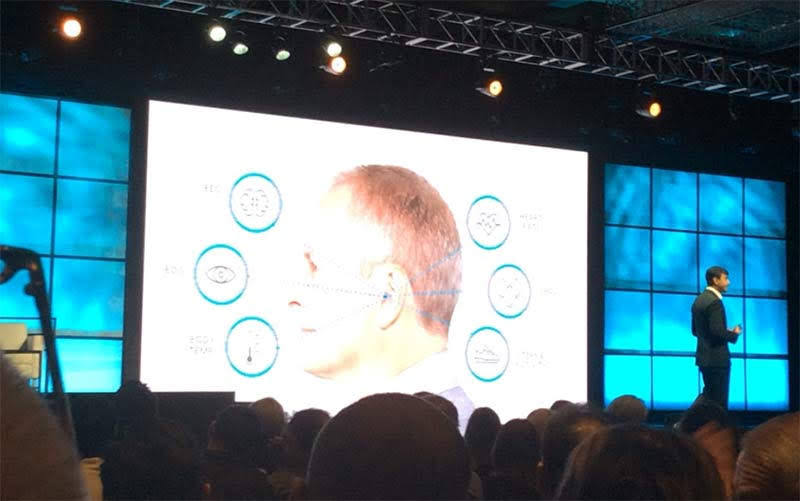
In the article “Starkey Announces Hearing Aids of The Future at Starkey Expo” I spoke about the announcement of new hearing aids by Starkey. They announced that they would introduce hearing aids this year that would have onboard inertial sensors that would be used to track activity and detect falls. Not just that, they also said that when and if a fall occurs, the hearing aids would report it. At the time I made the comment, “About Damn Time!”
What Difference Will This Make?
Who knows? I am not trying to be funny, the changes in use case and functionality are endless. They are only limited by the imagination of the research and design guys. I wrote an article recently on Linkedin which was basically a daydream about the future of hearing aids. Introducing sensor sets to hearing aids is just the first step towards that dreamed future. Let’s take a look at it:
“A busy day ahead, hit the floor of the bedroom running as you do. Put my hearing aids on and IFTT told my coffee machine to wake up and turn on the radio.
Bob Gave Me My Day
I call him Bob, don’t know why, but hey, you got to call him something right? Bob, the virtual assistant in my hearing aids gave me a rundown of my day, first appointment inDublin 15 at 09:30. Meeting Tom and Stacey, current travel time 30 minutes. Plenty of time to become human.
Traffic Snarl
Sitting down to my coffee Bob tells me the M50 is a disaster, what’s new? I need to leave now to make the appointment and he has given me a new route. Not too familiar with the route but Bob gives me turn by turn guidance so I get there without a hitch.
Meeting Run Down
Bob gives me a quick rundown of the LinkedIn profiles of Tom and Stacey, telling me Stacey has just been promoted. The meeting goes well with Bob chirping in towards the end to tell me my blood sugar is a bit low. Well Bob, if you hadn’t interrupted breakfast it wouldn’t be.
With the meeting finished I ask Bob for the nearest cafe, he finds the best reviewed one nearby and gives me turn by turn guidance. He also informs me that an email has just come in and my next appointment is cancelled. He then tells me that swearing is impolite.
You Are Really Fat!
While walking from the car to the cafe he tells me I am a fat bloke who doesn’t get enough exercise. Sorry, I paraphrase, what he says is that I have just taken 1000 steps so far today and on current projections will miss my target. Same thing really.
He informs me that my resting pulse rate has increased over the last four weeks and my activity levels have fallen. So back to the gym for the fat lad. I ask Bob to call Richard on his mobile, hands-free calls directly from Bob are pretty sweet, I can’t remember the last time I used a phone for anything?
With the call over, I get Bob to read my emails to me and dictate responses. As usual, he edits out the curses, helping me hear, making my day easy and making me civilised! Wonders will never cease.
I tell Bob that I am going home and he uses IFTT to turn on the heating and start the coffee pot again. As I drive up to the driveway Bob turns on the front light so I can get my damn key in the door. Bob says he can open the door using the electronic catch release applet on IFTT but hey, I like keys!
As I enter I ask Bob to turn the kitchen TV on and start the oven. Dump my stuff in the hall grab some coffee and take a seat. Bob announces to me that he has grabbed the latest marketing podcast I listen to so I tell him to play it. Relaxing with coffee, a podcast and Bob, what more could a body ask for?”
Futuristic? Not Really
Sound futuristic? It actually isn’t, there are many virtual assistant services right now that will allow you to go through your day in this manner, of course, they aren’t centred in and controlled by a hearing aid, but that’s probably going to change. We are already seeing the integration of Alexa (Amazon assistant) into hearables. So what is to stop the hearing aid brands integrating them into their hearing aids?
If Starkey pulls off the integration of inertial sensors, expect other hearing aid brands to begin the integration of sensor sets into their devices. It is the future and I believe that the Starkey announcement is just the first of many.
Rechargeable Hearing Aids
Oh, rechargeable hearing aids are so last year, right? Well yes and no. The introduction of modern rechargeable hearing aids certainly occurred last year. However, we are seeing an expansion of Lithium-Ion rechargeable hearing aids this year. Starkey has just announced the introduction of a Lithium-Ion rechargeable hearing aid. I think that some of the other hearing aid brands will be looking at doing the same thing. I also think that many of the hearing aid brands will be looking at expanding their rechargeable hearing device types.
At present, most of the rechargeable hearing aids that are available are receiver in canal hearing aids. Three of the brands (Phonak, Unitron and Signia) have rechargeable behind the ear hearing aids but I expect many of the others to follow this year. I think that in the future more and more devices will become rechargeable.
What Difference Will This Make?
Rechargeable batteries offer the hearing aid manufacturers more and more power to run the features and strategies that they want to on their hearing aids. Power usage has always been a problem for hearing aid brands, many of the really fantastic features are power hungry. However, modern hearing aid batteries offer a huge reservoir of power.
It makes sense for the brands to push more of their devices onto this rich power source because it offers outstanding levels of power without causing the user any hassle.I think that the push towards rechargeable and the increasing advancement of rechargeable battery technology will allow hearing aid brands to do more and offer outstanding features that to now have been restricted because of battery drain.
Wider Connectivity Protocols
Nearly all of the hearing aid brands have now introduced Made For iPhone hearing aids. This feature was initially seen as a fad when it was first introduced, however, the market responded exceptionally well and it became obvious that every manufacturer would have to respond. While Made For iPhone, does not mean Made For Android, or at least not in the ability to stream music or phone calls, nearly all of the Made For iPhone hearing aids can exchange data with Android phones. It is this ability that has not been utilised fully yet and which I believe may change hearing aids forever.
As part of Signia’s introduction of their original Made For iPhone hearing aid, the Pure 13 BT, they introduced a deeper connection with the iPhone, not only could it stream audio but the hearing aid used information from the inertial sensors in the iPhone to change how it processed sound. This really was a brand new concept and I feel it is one of the most exciting things that has happened in the last few years.
What Difference Will This Make?
I believed that it was exciting, not because of what it does (which is kind of cool) but because of the possibilities that it conjured up. Signia had the foresight to construct a deeper integration with the smartphone, I believe that this concept can be expanded to really ensure that hearing aids use the full benefits of a connection to a smartphone. For instance, I think that in the future, hearing aid brands could offset some of the calculations and processing needed for really advanced hearing aid features to the smartphone, or even to the cloud through the smartphone.
While there are many things that need to happen for this to become a reality, we are already seeing the first steps. Wider connectivity is part of those first steps. I think that the features I have discussed here will play a bigger part in hearing aids for the next few years, I certainly think that these features will ensure a complete change in hearing devices and certainly signpost the future.
Biometric Calibration
Phonak introduced a completely new concept along with their latest in the ear hearing aids, the Virto Belong range. They called the strategy “Biometric Calibration”, in essence, the system uses the shape of your ear and its anatomy to make the function of their hearing aids better. They say that they will identify over 1600 biometric data points in and on your ear, which they use to deliver unique calibration settings for each Virto B hearing aid. In this way, Virto B is able to more reliably sense where a sound is coming from, thereby giving you access to better hearing performance.
What Difference Will This Make?
Phonak are the first ever hearing aid manufacturer to carefully map the outer ear to take advantage of its natural abilities. The outer ear naturally heightens some sounds while also helping us to identify where sounds are coming from. They say that this new process will deliver a 2dB signal to noise ratio improvement. Basically means it will make the signal (what you want to listen to) 2dB higher than the noise. While that doesn’t sound like much, combined with all the other strategies that hearing aid brands use it will be a marked improvement.
I would expect many of the hearing aid brands to look at integrating this in their in the ear hearing aids. However, I think that the strategy might not stop there, the information that is used may actually help with better function with behind the ear hearing aids and receiver in canal hearing aid devices as well.
Made For Any Phone
Phonak have been tortured by their shareholders for many years about their lack of activity on the Made For iPhone front. In 2017, they introduced Made For Any Phone hearing aids, hearing devices that would connect to any mobile phone with Bluetooth. Phonak used a unique approach to connecting to the mobile phone. In essence, it used the connection protocol used for Bluetooth headsets. This allowed a user to answer their phone from their hearing aid and talk on the phone completely handsfree because the microphones on the aid were used to pick up their voice.
Phonak have further built on this protocol in 2018 with the launch of the new Marvel hearing aids. The devices now offer stereo streaming of phone calls and audio from any Bluetooth enabled phone. More than that, the devices can be used to stream audio from any modern Bluetooth enabled device including Macs, Windows computers and even TVs.
What Difference Will This Make
I think it points the way for other manufacturers to consider innovative ways to connect directly to other mobile phones. While the Phonak system is pretty good, it does have its disadvantages. For instance, it is power hungry, while initially, the use of the Bluetooth radio meant that there was no audio streaming between the hearing aids, Phonak have overcome that with the Marvel.
I think the introduction of this system by Phonak will make all of the hearing aid brands look again at how they can deliver direct connectivity to Android phones and beyond. That connectivity offers many opportunities, as I said earlier, wider connectivity offers huge opportunities for deeper integration.
Cloud-Based Machine Learning
On the 17th of April 2018, Widex announced the launch of a new hearing aid platform called the Evoke, in a first for the hearing industry the device will access cloud-based machine learning to continually improve the user experience. Access to the cloud will be facilitated through the connection to a Smartphone and a Widex app. The app will be used by the user to make the changes to their hearing aids that the system uses to learn. Those changes will be combined with changes from thousands of other hearing aid users in order that the system learns and delivers better outcomes.
What Difference Will This Make?
in essence, my vision of machine learning has been that the hearing aid user would move through their days using an app to change settings and customise them as they move through different sound situations. Each customisation would be stored in the cloud alongside thousands of other user’s customisations and preferences. Over a period of time, these data points would be used to push changes to the automatic features in the hearing aids and the user’s experience would become seamlessly better. Judging by the Widex announcement which you can read about here, that is what they visualise.
I think that this concept will prove to be a huge step forward for hearing aids and I firmly believe that every hearing aid brand will adopt it in some way.
If you like what you see, share it so others can benefit
I was asked a question on Twitter recently about remote hearing care and the differences between the systems that are now available. So I thought it was worthwhile sitting down and writing about it. Signia was the first company to introduce the concept, but the offering was quite limited. Resound quickly followed with the introduction of their system. It wasn’t limited in any way, but it wasn’t a live system. Since then Signia has introduced a live system with video calling that allows full fine-tuning. Both Oticon and just recently Phonak has also gone down this route. Let’s talk about the different systems.
Resound Remote Care
I will talk about Resound first because their system is unique. The Resound remote care system is available with the LiNX 3D, The Enzo 3D and the new LiNX Quattro ranges. It works via your Apple or Android Smartphone through the accompanying app. In order for the system to work, the aids have to be initially programmed for you in the office. Your professional will set you up on the Resound system and once that is done, you can request changes to your aids through the apps.
You simply send your professional a message with as much details about your problems and where you are having them as possible. Your professional can then push out changes to your hearing aids through an update that is sent to your app.
You then apply the changes and try them out. If you like them, you simply keep them. However, if you don’t like them, you can roll them back to what you had before. With some smart organising, you can do this in the environment that you are having the problem with. It should allow you to know instantly if the issue has been solved. The system is easy to use and while there is no video calling, you can give live feedback messages through the app.
Phonak Remote Care
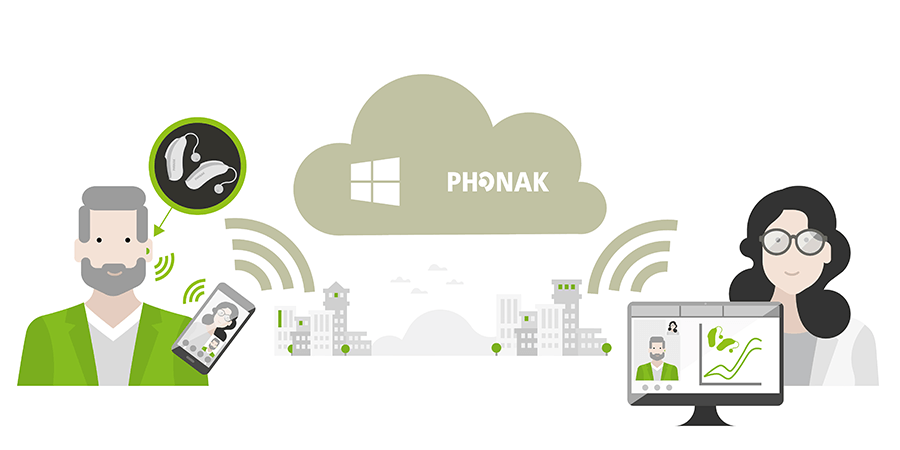
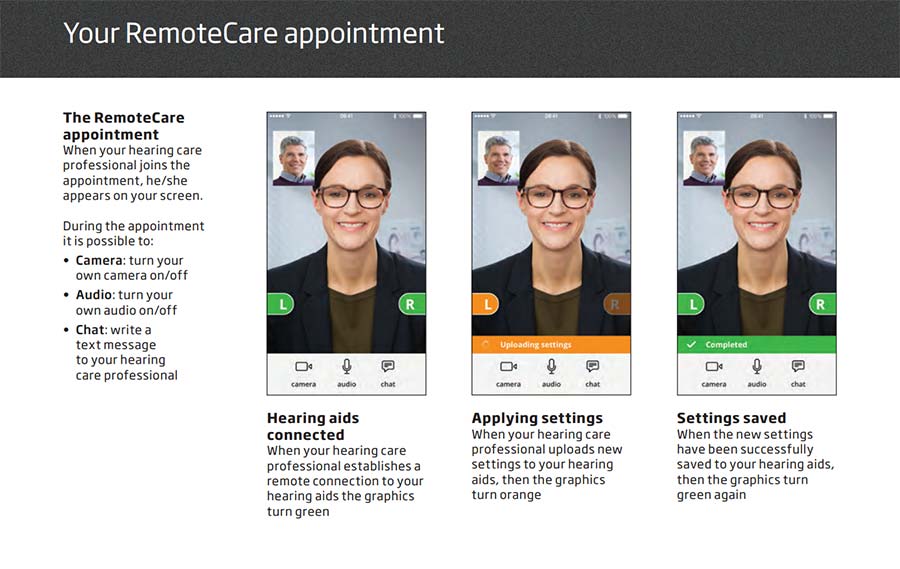
The Phonak remote care system is only available with the new Marvel hearing aids and the Audeo B-Direct. The new Phonak system works via your Apple or Android Smartphone and again it is app based. To get the best from your hearing aids they first need to be programmed on a face to face basis. The feature which is available through the new Phonak app allows hearing aid wearers to communicate with hearing care professionals by smartphone audio and video. It also allows professionals to adjust their hearing aids in real time anywhere.
The new myPhonak smartphone app is used to enable the system. It utilizes Microsoft’s Azure cloud-based technology platform to manage audio, video and digital communications. The Azure platform is pretty robust and it offers the stability needed for the numerous data exchanges going on.
The system is pretty cool, it offers video calling which enables the user and their hearing care professional to see and hear each other while the hearing care professional makes simultaneous real-time updates to the hearing aid programs.
It opens up a lot of opportunities for change and benefit to hearing aid users and professionals alike. It means that you could potentially have your hearing aids adjusted while sitting in a restaurant, or cafe, or just on the couch at home. The system offers:
Full fine-tuning capabilities. The audiologist can make nearly all the same changes remotely as in the clinic.
Real-time adjustments. The audiologist makes the tweak and the patient instantly hears the difference—enabling efficient fine-tuning in a variety of listening settings.
Video chat. Face-to-face interaction between professional and patient results in much better communication. At the same time, the audiologist controls the hearing aid adjustments from the desktop computer.
Oticon Remote Care
This is a recent introduction by Oticon and it is available only through an Apple phone app. The Oticon remote care app is only available with the Opn and Siya ranges of hearing aids. Your hearing aids will first need to be programmed on a face to face basis in-clinic. The feature which is available through the new Oticon remote care app allows hearing aid wearers to communicate with hearing care professionals by smartphone audio and video. It also allows professionals to adjust their hearing aids in real time anywhere. Unfortunately, as I said, it is only available to people with iPhones.
The system offers strong benefit to hearing aid users and professionals alike. It means that you could potentially have your hearing aids adjusted anywhere. The system offers:
Full fine-tuning capabilities. The audiologist can make nearly all the same changes remotely as in the clinic.
Real-time adjustments. The audiologist makes the tweak and the patient instantly hears the difference—enabling efficient fine-tuning in a variety of listening settings.
Video chat. Face-to-face interaction between professional and patient results in much better communication. At the same time, the audiologist controls the hearing aid adjustments from the desktop computer.
Signia Remote Care
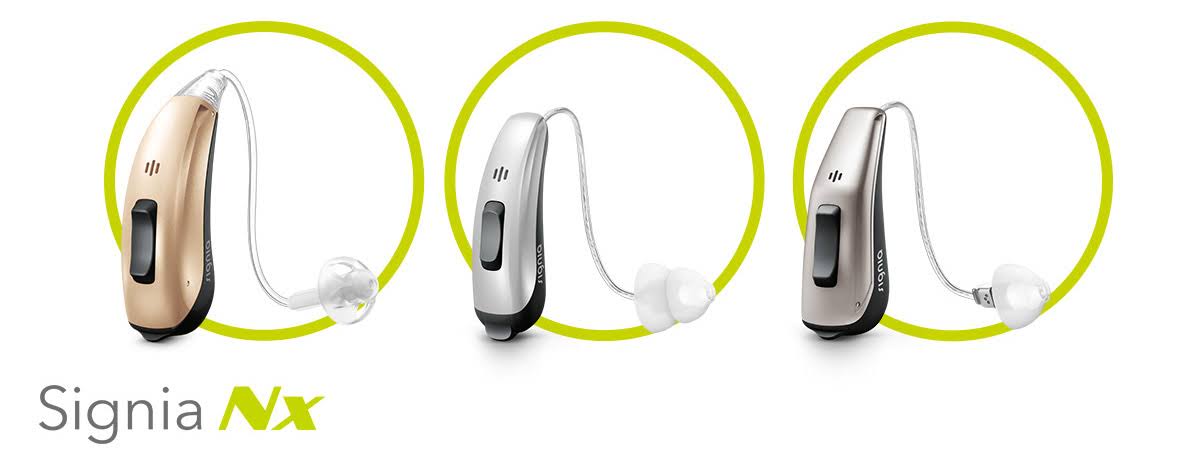
Signia was the very first to introduce remote care and they have consistently built upon that foundation. Their new system, Telecare 3.0 is available with their new Nx range of hearing aids. Your hearing aids will first need to be programmed on a face to face basis in-clinic. The feature which is available through the Signia myHearing app allows hearing aid wearers to communicate with hearing care professionals by smartphone audio and video. It also allows professionals to adjust their hearing aids in real time anywhere.
Full fine-tuning capabilities. The audiologist can make nearly all the same changes remotely as in the clinic.
Real-time adjustments. The audiologist makes the tweak and the patient instantly hears the difference—enabling efficient fine-tuning in a variety of listening settings.
Video chat. Face-to-face interaction between professional and patient results in much better communication. At the same time, the audiologist controls the hearing aid adjustments from the desktop computer.
Telehealth in the Audiology setting is becoming more prevalent and all of the hearing aid brands are gearing up for it. While most of the brands now offer it, as you can see some offer it in different ways. Again, your decision to buy a particular hearing aid shouldn’t focus on just one feature, you should take a more holistic view about what you need. Sometimes, you will need to make compromises.
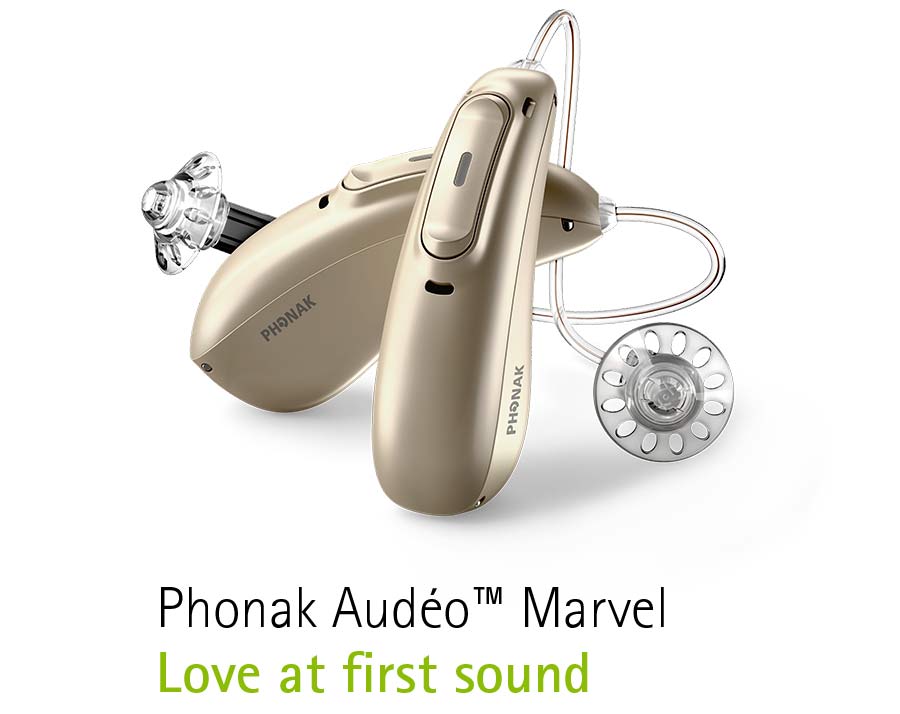
As we reported, Phonak is rolling out the new Audeo Marvel across the world. On Friday the 2nd of November the devices were launched in the UK, and we learnt a little more about the range and its availability. Phonak is only introducing two of the devices initially, and they are available for pre-order right now. Phonak UK expects to be delivering those orders from November the 22nd. Let’s talk about the Phonak Marvel.
New Programmes New AutoSense 3.0
The Marvel range will have two new programmes available to it, streamed speech and streamed music. Both of course designed to get the very best from the audio streaming capability that the devices have. AutoSense (which is the management system for the hearing aids) has been upgraded again with additional training. The deeper the training that these systems are given, the better the learning and the better they work in the real world. Phonak are quoting research about improved listening ability and reduced listening effort amongst other benefits.
Binaural Voice Stream Technology (BVST)
Phonak has become quite famous for their BVST features; they use real-time Binaural Voice Streaming to deliver real benefits in different types of sound situations. In the original Made For Any Phone hearing aids, BVST didn’t work. They have fixed this in the Marvel range and all of the automatic sound programmes and features they are famous for work within the Marvel range.
Marvel Hearing Aid Models
As I said, the Audeo Marvel will be available in five hearing aid models, every one of those models will be available across the four levels of technology, so that means that Phonak will offer rechargeable hearing aids at the entry level for the first time. I have discussed pricing ranges below; they are educated guesses based on experience and the price ranges cover the entire platform from the Marvel 30 to the Marvel 90 level of technology. The models are as follows:
Phonak
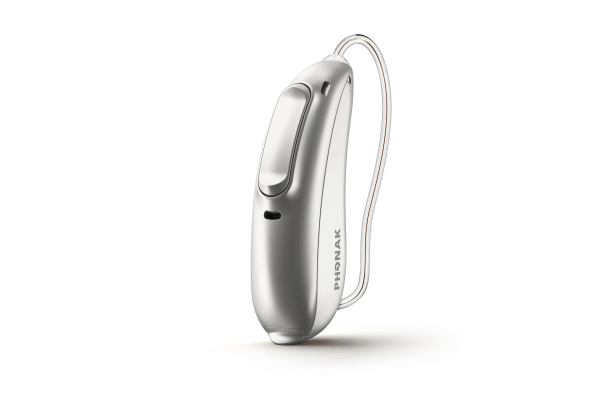
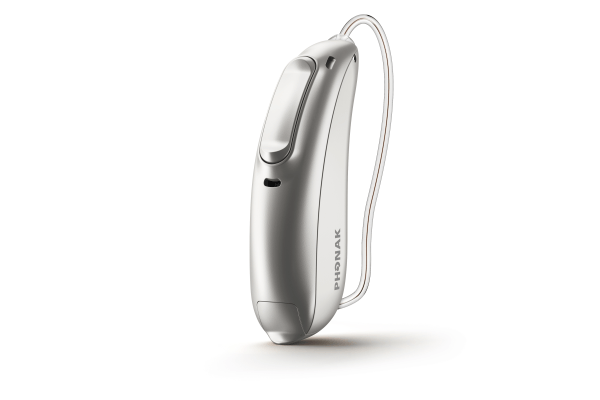
Audeo Marvel R
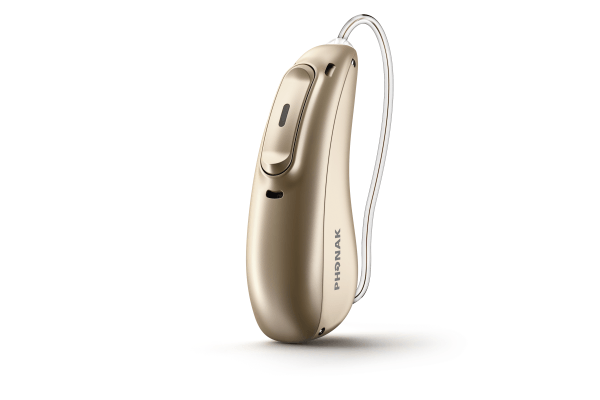
The Audeo Marvel R is Phonak’s latest rechargeable Made For Any Phone hearing aid, it is quite discreet and can be used with several receiver variations meaning it can cover a lot of hearing losses. The device will connect directly to any Bluetooth enabled Mobile phone and will stream phone calls and audio in stereo. The devices are available from November 22 in the UK and should be rolled out globally through November and December.
Expected Price
From £695.00 to £2200.00 in the UK. From €1200.00 to €3000.00 in Ireland. From $1400.00 to $3200.00 in the USA.
Phonak
Audeo Marvel 312
The Audeo Marvel 312 is a very small RIC device which uses a size 312 battery, it is quite discreet and can be used with several receiver variations meaning it can cover a lot of hearing losses. It doesn’t have a telecoil although as always it is a wireless device. The device will connect directly to any Bluetooth enabled Mobile phone and will stream phone calls and audio in stereo. The devices are available from November 22 in the UK and should be rolled out globally through November and December.
Expected Price
From £695.00 to £2200.00 in the UK. From €1200.00 to €3000.00 in Ireland. From $1400.00 to $3200.00 in the USA.
Phonak
Audeo Marvel 312 T
The Audeo Marvel 312T is a small RIC device which uses a 312 battery, it is still very discreet and can be used with several receiver variations meaning it can cover a lot of hearing losses. This device will have a telecoil. The device will connect directly to any Bluetooth enabled Mobile phone and will stream phone calls and audio in stereo. This device will not be available until Spring 2019.
Expected Price
From £695.00 to £2200.00 in the UK. From €1200.00 to €3000.00 in Ireland. From $1400.00 to $3200.00 in the USA.
Phonak
Audeo Marvel 13T
The Audeo Marvel 13T is a RIC device that will use a size 13 battery. It will be slightly bigger than the 312, but still pretty discrete. It can be used with several receiver variations meaning it can cover a lot of hearing losses. The device will connect directly to any Bluetooth enabled Mobile phone and will stream phone calls and audio in stereo. This device will not be available until Spring 2019.
Expected Price
From £695.00 to £2200.00 in the UK. From €1200.00 to €3000.00 in Ireland. From $1400.00 to $3200.00 in the USA.
Phonak
Audeo Marvel RT
The Audeo Marvel RT is a rechargeable RIC hearing aid which will have a telecoil. It can be used with several receiver variations meaning it can cover a lot of hearing losses. The device will connect directly to any Bluetooth enabled Mobile phone and will stream phone calls and audio in stereo. This device will not be available until late 2019.
Expected Price
From £695.00 to £2200.00 in the UK. From €1200.00 to €3000.00 in Ireland. From $1400.00 to $3200.00 in the USA.
New Charger Cases
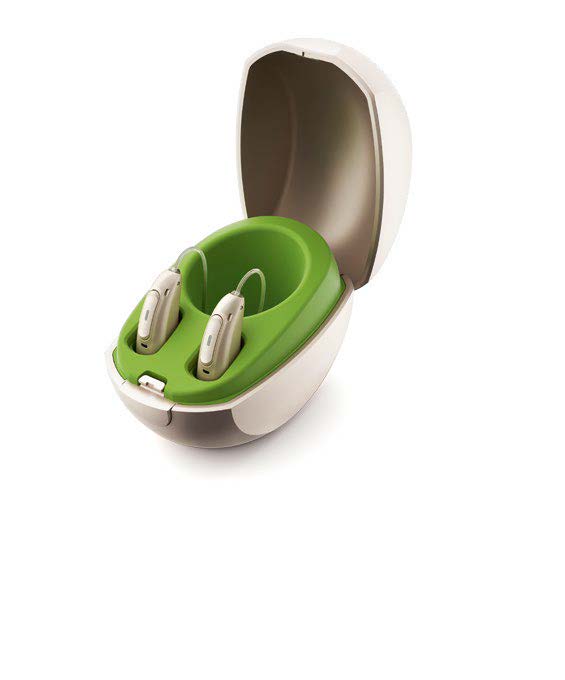
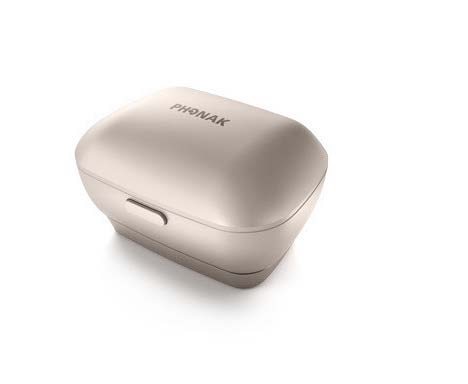
Phonak has also released two new charger cases with the Marvel range and a power pack.
Phonak Mini Charger Case
The Phonak Mini Charger Case, with standard USB-C charging outlet, is a compact charger for two Audéo M-R or Audéo M-RT hearing aids.
Phonak Combi Charger Case
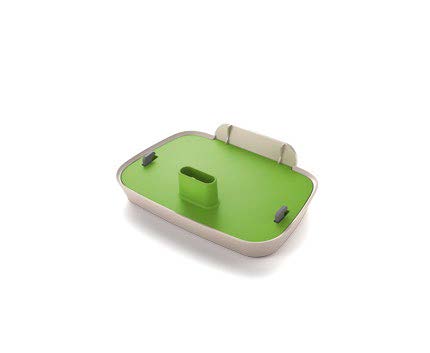
The Phonak Charger Case Combi is a charger, drying kit and protective hard case all in one. Additionally, it includes a cleaning tool in the robust and splash-proof housing.
Phonak Power Pack
For charging rechargeable hearing aids on the go, the Phonak Power Pack can be easily attached to the bottom of the Phonak Charger Case Combi.
Outstanding sound quality, jaw-dropping battery life
Steve has given his review of the Resound LiNX Quattro already; now it is my turn. In fairness, there is very little I will say here to refute Steve and his assertion that these are fantastic hearing aids, but I have a little more to add and a little more technical insight to speak from. So here goes, what the fat lad thought of the new ReSound LiNX Quattro, pretty impressive, outstanding sound quality and jaw-dropping battery life from a rechargeable.
I Love Lithium-ion Rechargeable! Who Knew?
I have realised that I love rechargeable hearing aids, in fact, I should qualify that, I Love Quattro rechargeable hearing aids. As Steve has said, “Any product with a rechargeable battery is only useful if it lasts a decent amount of time between charges, annoys the hell out of me that I have to charge my phone twice a day.” ReSound say that you can you can use the Quattro for 30 hours on a single charge. They aren’t telling fibs, I managed to use my Quattros for two full days. In fairness, that was without streaming or even a connection to a phone and it was based on twelve hours of actual in my ear use per day. I mean that is jaw-dropping. So you will easily manage a full-on day of use on one charge.
The Charger Case
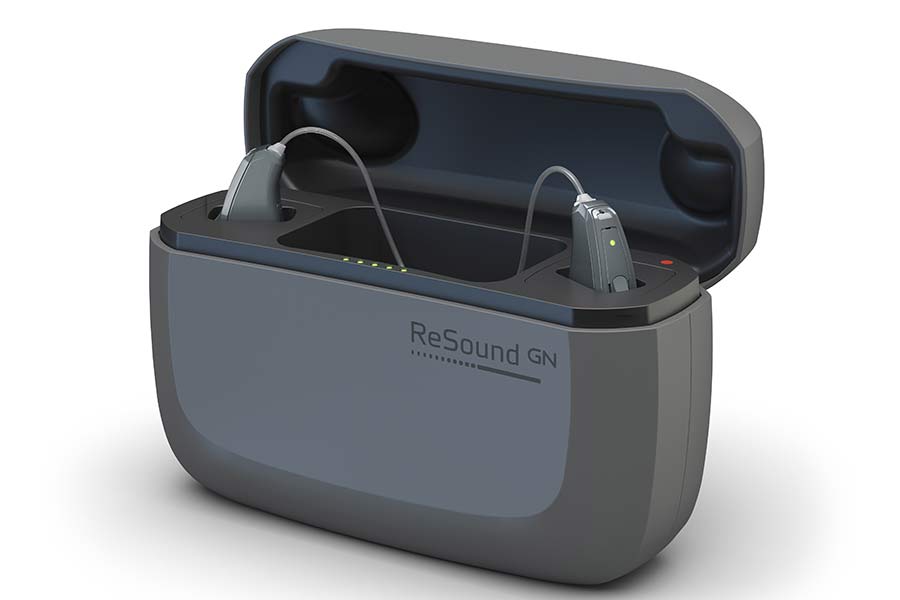
The case the rechargeable devices come in charges the hearing aids. It also contains three full on the go charges in its battery pack. You charge the case with a simple USB lead. I really liked the case, it is obvious that a bit of thought has gone into the design of it. It is pleasant to hold and satisfyingly robust, it is also small enough to slip in a coat pocket or bag. The LEDs on the case allow you an instant visual understanding of the charge state of the hearing aids and the charge state of the case itself. Like I said, well designed with some thought.
Like I said earlier, I love rechargeable, but I really didn’t know that until just recently. The ease of use and the complete lack of worry about batteries was a bit of a revelation. Before now, I would have considered rechargeable devices as really a device most suitable for people with eyesight or dexterity issues, the Quattro has changed my mind about that. And using the recharger is simple, you just drop them into the charging ports in the charger and away it goes. The green flashing lights let you know it is charging.
Bluetooth streaming for phone calls, music and TV
The Quattro is a direct streaming hearing aid, a so-called Made For iPhone device. Hopefully, very soon, a Made For Android device as well. So you can stream audio from your iPhone or iPad directly into your hearing aids. Resound have a lot of experience in the field by now. That experience aligned with their more powerful antenna really shows up. The Quattro delivers an outstandingly rich, full and warm sound experience that is perhaps the most stable I have ever tested so far.
During my testing, I had no dropout or refusal to recognise or pair episodes. That’s not to say Apple won’t push out an update and make a temporary mess of course, but right now, they seem to be as solid as a rock. There is no delay in streaming, when your phone rings, you hear the ring in your hearing aids. When you answer the call, you are straight into the call without stutter. When you finish the call, it simply reverts back to the streamed audio you were playing. Or the environmental programme you were in.
Environmental Awareness
Resound have ensured that the Quattro strikes a decent balance between streamed audio and environmental sounds. You can hear the streamed audio clearly but are still aware of what is going on in the environment. You can also adjust the balance within the app yourself.
GN ReSound Smart 3D App
The Smart 3D App works with the LiNX Quattro hearing aids, the App automatically recognises that you have Quattro hearing aid and gives you some new options. As Steve has previously said, the app is relatively intuitive and it also gives you plenty of customization options. The user experience is pretty good and the GN UI (User Interface) team really need to be applauded. They have delivered a whole shed load of power to users without befuddling them. That isn’t something that is easy to do, but the Smart 3D app does it well. The App options are clearly labelled and easy to press, I think that most users should be able to work their way around it quickly enough and the app offers a lot of benefits for users who will use it, as Steve says.
The ReSound Smart 3D App isn’t a novelty that the company thought would be a good selling point (“Hey, we’ve got an App, how cool is that?”), it’s a powerful tool that gives you fine-grained control over your hearing experience, allowing you to configure your own personal setup.
The basic stuff like programme changes and volume changes are all there, but the deeper sound customisation ability is fantastic. This is where modern thought in hearing aid development really shines, giving power to the people who want it over how they hear.
A comfortable and natural sound in everyday environments
I really liked the Resound LiNX 3Ds, I mean really liked them. When I first saw the details of the Quattro, I was a bit dismissive of it. Initially, I thought that GN had really packed a lot of headline features into a beefed up 3D. Let me explain what I mean, basically they had introduced a directionality strategy that was a headliner in the profession, combined it with wider frequency response and a higher upper sound limit, which was another headliner in the profession, combined all of that with Lithium-ion rechargeability, you know where I am going with this right? I thought they were offering something that just ticked the boxes. I was wrong, again (getting to be a habit lately, maybe my wife is right! hahaha).
The Quattro sound amazing, they offer a detailed awareness of your surroundings. Noise is no longer a wall, it is a detailed soundscape, more natural, the way it should be. Even in very noisy situations, the devices handle the noise versus speech equation exceptionally well. The clarity of speech is exceptional as is the clarity and fullness of both live and streamed music. Steve says that he has noticed voices and music both have more detail to them. Even with my moderate high-frequency hearing loss, I can understand what he means.
The introduction of the impact sound manager also makes a difference to sudden hard noises. I can hear the difference when a plate bangs or cutlery is rattled. Speech understanding is excellent, I found it pretty good with the 3D, but I always liked to use the app when I was in difficult noisier situations. With the Quattro, I don’t spend much time with the app, it just kind of works.
When in noisier situations you are able to hear who you are speaking to relatively well, the remarkable thing is that the typical wall of noise has been transformed to a multi-faceted soundscape, just as it should be. I can hear the conversations going on around me. Not nuanced enough to know what they are saying, but I shouldn’t be able to. But it isn’t just a background wall of noise or speech babble any longer.
The Sound of Music” (yes I went there)
The sound quality of Music is outstanding, both streamed and live. It is difficult for even a professional like me to discuss sound quality. Finding the right universal words is difficult. The Quattro hearing aids add to the experience that the 3D provided. The 3D offers real clarity and warmth, but the Quattro provides even more than that. I hate to echo Steve here, and it is a bit trite, but it really does provide more layers of sound. It really is about the awareness of subtle changes in music or tone, the Quattro really delivers the ability to be aware of them.
An excellent hearing aid
The Quattro really is a fantastic offering from Resound. As I said earlier, it does offer many of the headline features that people are excited about in the profession. However, ReSound haven’t just bolted on features to an existing aid for headline status. They have intelligently re-designed and engineered their device to offer market leading features in a very attractive package.
I really liked the Quattro, day to day sound was excellent and the streaming experience is amazing. Being able to throw it in the charger and forget about batteries is much more fun than I ever would have imagined and the carrying case is a fantastic innovation. All round, these devices are pretty damned good and I would really have no issue with recommending them to anyone.
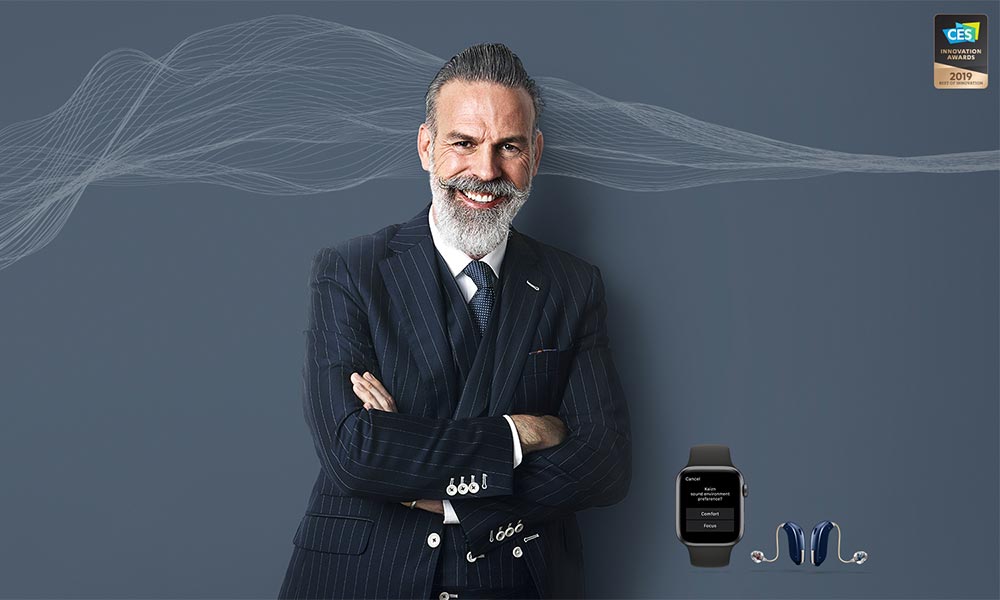
I think the picture is a bit dodgy, but how and ever, that’s marketing people for you! I for one am celebrating the introduction of Kaizn from Oticon. Not because of what it is. Although that is something of real power. But for what it portends. Great word portent, satisfyingly mysterious. Anyway, what I mean is that Kaizn is a step towards the day when your hearing aids are your personal assistant. Where your hearing aids facilitate and are deeply integrated into your life. That is something worth celebrating. Let’s talk about what Kaizn does and what I hope something like it will do in the future.
Imagine
The blurb goes “Imagine a hearing aid that gets to know you. Using data from other devices, your hearing aids can tell that you’ve entered a restaurant and adjust accordingly. By accessing collected data about your habits, they can even predict when you’ll enter this restaurant and adjust proactively.” and that is our introduction to a new concept in personalised hearing care.
Oticon says that Kaizn is an AI-powered tool that learns to automate hearing aids settings based on wearer’s preferences and behaviour. Still mystified? Kaizn is an app that lives on your Smartphone. It connects to your Opn hearing aids and it uses a combination of real-time local data, aggregated ‘big’ data and artificial intelligence to deliver the best sound experience.
Basically and in non-tech babble, the app collects and analyses data about your hearing aid use and the different listening environments you find yourself in to learn your behaviour and hearing preferences. It will then provide real-time hearing aid recommendations and adjustments. It communicates with you through notifications at key moments to learn what you want to gain from different sound environments. Oticon gave a prime example of how Kaizn may work:
Kaizn™ will recognize when a hearing aid wearer enters a noisy environment, like a loud restaurant, and will contact the wearer, via a push notification, to ask whether they need “focus” or “comfort” in the scenario. Kaizn™ will then adjust the user’s hearing aid settings to reflect that preference. Over time, Kaizn™ can automate adaptive changes based on the user’s feedback/validation and adjust the user’s Opn hearing aid settings automatically when they enter similar noise environments.
Making Your Experience More Personalised
The system will make your experience better over time, it will personalise your experience to you and your preferences, more than that, Like the system from Widex, it will make all Oticon hearing aids moving forward better at what they. As I said, that is something to be celebrated. But I want MORE!!!!!!! hahahahahah, like a power-drunk six-year-old, I would like some more, please.
A True Personal Assistant
I really like this, again, not just because of what it is, but also because of the deeper thought it shows. I think that hearing aids are on their way to deeper integration, I mean why can’t hearing aids tell you what your schedule for the day is and what the weather is like every morning?
Why can’t the use geo-location data from your phone to give you information about where you are when travelling? Tell you more about the places you visit, give you the reviews of the restaurant that you are standing outside? All of this could be done, I mean it would take some deep thinking, some development time and a committed team, but the ability to do it is there.
It is a case of tying some existing Smartphone functionalities and apps together and delivering their data through audio. Okay, that’s a simplistic version, but I think the day is coming, and I celebrate that even more.
I attended the UK launch of the new custom hearing aids from Bernafon a while ago and learnt the outline of what would be on offer. At EUHA recently I stopped by the Bernafon stand to learn a little more about the new invisible hearing aid and to get a rundown of their early experiences with it. I was talking to some of the guys from the International department and they were telling me about some early testing they had undertaken that was focused on the suitability of the devices. Historically, IIC (Invisible In Canal) hearing aids have not been physically suitable for many people mainly because of the size and shape of their ear canals. Bernafon believes that their new device will fit close to 80% of ears. Let’s talk about what they have found so far.
Suitable For More Than Ever
The guys told me that they had a run an early trial to get a clear idea of what effect the new smaller size would have on the suitability for fit. So they had some of their customers send them early orders so they could run them through. They were surprised to find out that they could fit all of them with the new IIC, they were really not expecting that. While they can’t be sure from such a small test case, it does bode well for the suitability of the hearing aids for more people than ever.
Who is The IIC Suitable For
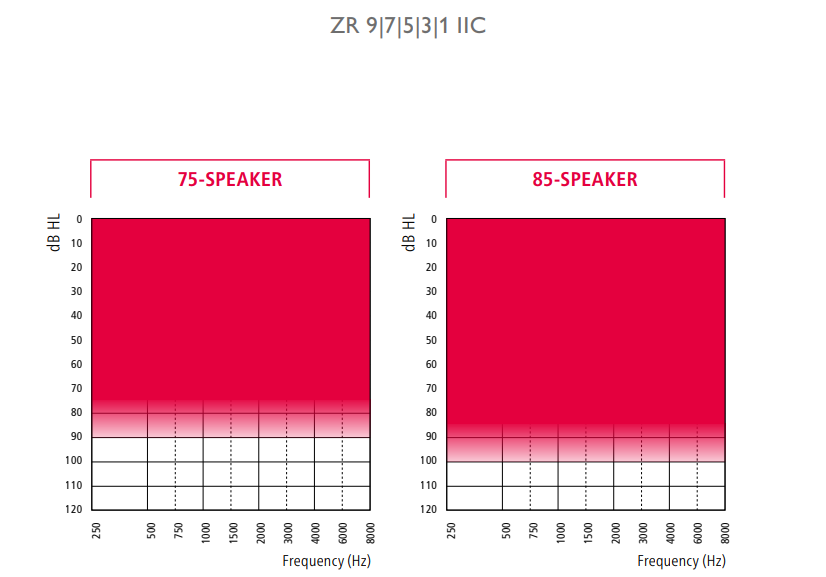
First, let’s talk about the technical suitability for hearing loss types. The new invisible hearing aids will fit hearing losses from mild all the way through to severe to profound.
Although, that does depend on the size of the speaker they can fit into the hearing aid. So technically, they can fit a whole lot of hearing losses. I spoke to the lads about more typical high-frequency hearing losses. Quite often when someone has a high-frequency hearing loss, they have really good low-frequency hearing. With that type of hearing loss, we have to be careful about closing off the ear canal because people suffer from occlusion problems (the feeling of their ears being stuffed up).
The lads from Bernafon say that there are two possible ways that the new invisible hearing aids can deal with this. Because of the smaller size of components, there is a good chance that the device can be inserted deep into the bony portion of the ear canal. This has been the traditional way to beat occlusion but it has been hard to actually deliver. The new sizing of the IIC should allow this to happen now for more people than ever.
The second way to deal with occlusion is through venting of a hearing aid, in essence putting a hole through it, the larger the better. Again, the new size of the components ensures that there is more space to put a larger vent and they have a fascinating new vent system that we will talk about here later which again means that they should be suitable for this type of loss.
In essence, it all means that the new Bernafon invisible hearing aid should be suitable for a great many people. The best part, they are now available to order in the UK and across the world.
Today, the FDA announced the approval of the “Bose Hearing Aid”, a new self-fitting hearing aid. Bose has been granted an unprecedented position by the FDA, the FDA has given Bose permission to market their new Bose Hearing Aid as a self-fitting hearing aid. The regulations governing this type of device do not exist and right this minute the over the counter (OTC) hearing aid regulations have not yet been finalized. We spoke in 2016 about initial forays into the amplifier market by Bose in the article “BOSE HearPhones, Hearing Aids?” It appears that Bose has decided to enter the over the counter hearing aid market as soon as possible and the FDA appears to be facilitating them.
The FDA press release follows:
The U.S. Food and Drug Administration today allowed marketing of a new device, the Bose Hearing Aid, intended to amplify sounds for individuals 18 years or older with perceived mild to moderate hearing impairment (hearing loss). This is the first hearing aid authorized for marketing by the FDA that enables users to fit, program and control the hearing aid on their own, without assistance from a health care provider.
“Hearing loss is a significant public health issue, especially as individuals age,” said Malvina Eydelman, M.D., director of the Division of Ophthalmic, and Ear, Nose and Throat Devices at the FDA’s Center for Devices and Radiological Health. “Today’s marketing authorization provides certain patients with access to a new hearing aid that provides them with direct control over the fit and functionality of the device. The FDA is committed to ensuring that individuals with hearing loss have options for taking an active role in their health care.”
Approximately 37.5 million adults aged 18 and over report having some trouble hearing without a hearing aid, ranging from “a little trouble” to “deaf.” Hearing loss can be caused by aging, exposure to loud noises, certain medical conditions and other factors. Hearing loss may be permanent or temporary. Individuals with permanent hearing loss can use hearing aids to help them hear the speech and sounds around them better, enabling them to communicate more effectively with others.
The Bose Hearing Aid is a user-fitted wireless air conduction hearing aid. Air conduction hearing aids work by capturing sound vibrations through one or more microphones. The signal is processed, amplified, and played back through an earphone placed in the ear canal. Patients can adjust the hearing aid through a mobile application on their phone. This technology enables users to fit the hearing aid settings themselves, in real-time and in real-world environments without the assistance of a health care professional.
While users may fit, program and control the Bose Hearing Aid on their own, the device must comply with applicable federal and state laws regarding the sale of hearing aids, including state laws that might require hearing aids to be purchased from or dispensed by a licensed hearing aid dispenser. The FDA is in the process of drafting proposed regulations for a new category of over-the-counter hearing aids as required by the FDA Reauthorization Act of 2017.
In authorizing marketing of the Bose device, the FDA reviewed data from clinical studies of 125 patients, which demonstrated that outcomes with self-fitting of the Bose Hearing Aid are comparable on average to those with professional fitting of the same device with respect to the amount of amplification selected, speech in noise testing and overall benefit. In addition, when participants self-fit the Bose Hearing Aid, they generally preferred those hearing aid settings over the professionally-selected settings. The Bose Hearing Aid has been labeled to inform the consumer when to consult a hearing health care professional.
The Bose Hearing Aid was reviewed under the FDA’s De Novo premarket review pathway, a regulatory pathway for some low- to moderate-risk devices that are novel and for which there is no prior legally marketed device.
The FDA granted marketing authorization of the Bose Hearing Aid device to Bose Corporation.
In essence, this approval means that Bose can market these devices as hearing aids and they can be purchased in states that allow it. In states that regulate the supply of hearing aids through professionals, the devices will have to be purchased from a professional.
At the time of writing, there were no images or full outlines of what the new Bose hearing aids would be. It is hard to tell from the press release if the devices will be hearing aids as is commonly understood or headphones like their HearPhones devices. As more information becomes available, we will update the article. We have spoken before about our belief that self fitting hearing aids may well be the future of hearing aids in the article “Are Self Fitting Hearing Aids The Future?“.
I had a great meeting with a lovely lady from Unitron lately named Leah Vusich to talk about the new Unitron Max super power hearing aids. I will be doing a podcast with the interview quite soon. Super Power hearing aids are designed for people with severe to profound hearing loss, and they are a very fussy bunch. So developing a product for them is not the usual everyday job. Even the strategies and features that are designed for people with severe to profound hearing loss are very different from the norm.
As I said, superpower hearing aid users are a pain in the ars, I mean have diverse needs, yes diverse that’s the word. The reasons are simple. Generally, they have been wearing hearing aids for almost their entire life. So they have a lot of experience with superpower hearing aids. In the past, superpower hearing aids had little finesse, and they were all about delivering power.
However, things progressed, and hearing aid brands have designed strategies and features to deliver better hearing. The problem is, that superpower hearing aid users don’t like them, they want what they are used to. This is the conundrum that hearing aid brands find themselves in. They want to offer their very latest features because they know they will help people with profound hearing loss to hear better.
The problem is that generally those features will be rejected by experienced users. A compromise needs to be found, and every hearing aid brand struggles with it. Unitron may have found an answer, let’s take a more in-depth look at what they are doing with their new Max.
Superpower With All The Features
The Max is a three hearing aid model, superpower range with five levels of technology. Unitron has based the feature set and chipset on Unitron’s celebrated Tempus platform. Unitron has packed these hearing aids with all of their amazing features which focus on the conversation. However, in a direct nod to superpower users everywhere, they have also ensured that they can be fitted with precisely what they want with ease. The devices have three settings designed to offer completely different strategies.
Superpower Pre-sets To Match Your Preference
Unitron has designed three easily chosen superpower pre-sets in the new Max that should suit the preferences of all superpower users from the first fitting. The pre-sets are as follows:
Classic: For people who prefer a time-honoured approach to sound processing, with little to no signal processing and no directionality. The most basic hearing aid you can get.
Conventional: For users who are looking for a more traditional approach to amplification, with moderate signal processing and some directionality. Hearing aids of about ten years ago.
Current: For people who want the latest and greatest approach to sound processing, with advanced signal processing and directionality. This is the most modern strategy and features available.
It is a simple task for a hearing care professional to switch between these modes. That means that the first fit of these hearing aids can and should match your preferences with ease. That’s a smart move by Unitron because it means that more superpower users should accept the devices.
Three Hearing Aid Types
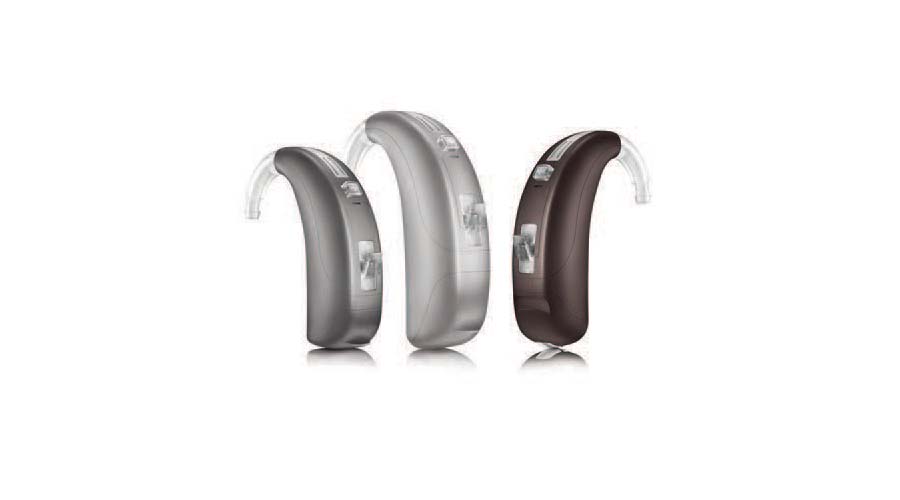
The range has three hearing aid models, but one of them is not expected to land until sometime next year. The models are a traditional Superpower BTE or the Max SP, a traditional Ultra Power BTE or Max UP and a rechargeable Superpower BTE called the Max SP-R. The rechargeable device is not expected to land until some time in 2019.
Based on Tempus, Optimised For Superpower
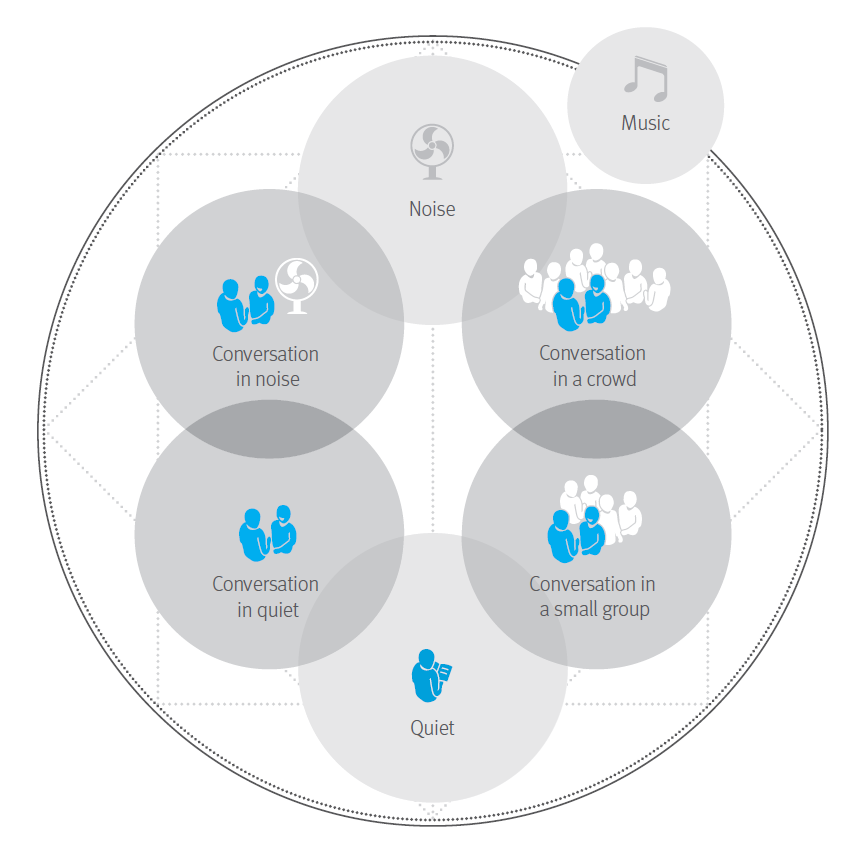
As I said, the new Max hearing aid range has the Tempus platform at its core. The Tempus platform has been much celebrated by professionals and users alike. Using an infinite mix of seven sound situations, the Tempus platform delivers what you need to hear better no matter the situation. Whether sharing, laughing, debating, commiserating, or merely being a great listener, their intelligent SoundCore technology makes conversations more enjoyable.
The four features work together seamlessly to understand your listening environment, making the instant, fluid adjustments that you need to participate in every conversation actively, no matter the situation. So you can just get on with enjoying the conversation without worrying about anything else. Let;’s take a look at the features that make Max unique.
Sound Conductor SP
Unitron says that the new Max automatically adjusts to provide optimal audibility for speech while maintaining comfort and overall awareness in all environments. It is optimised for the diverse needs of Super Power patients with severe-to-profound hearing loss, with a significantly stronger emphasis on speech, while maintaining a realistic balance of speech and noise
Frequency Compression 2
They say that the new Frequency compression 2 can deliver an optimal balance of sound quality and audibility at all times. No matter what the input signal is, it provides patients with improved awareness and speech intelligibility by compressing high-frequency sounds into lower, more audible ranges. All while adaptively preserving the natural sound quality of vowels.
Power Adaptation Manager
This is a responsible solution to reduce the risk of over-amplification. This feature helps improve first fit acceptance for you if you are accustomed to extra gain but would like to listen at a safe level. This is achieved by providing the starting point that you desire, then gradually and automatically reducing gain and output to a safer target level that maximises speech intelligibility.
Levels of Technology
The Tempus range is available in five different levels of technology, so there is a hearing aid for every budget. The technology levels are as follows
T Pro – These premium hearing aids work together to automatically help you hear your best in all types of conversations. When background noise is high, your hearing aids will focus on speech from any direction. You will also enjoy effortless, natural hearing and enhanced music performance.
T 800 – Both hearing aids communicate to automatically help you hear better in all types of conversations, especially when background noise is high. You will enjoy effortless, natural hearing and enhanced music performance.
T 700 – Both hearing aids communicate to automatically help you hear better, especially when background noise is high. You will enjoy effortless, natural hearing.
T 600 – These hearing aids automatically help you hear better in some types of conversations and when you are simply relaxing.
T 500 – These hearing aids help you hear better, especially in quieter environments.
The Max looks good; when combined with Unitron’s Flex system it should be an excellent choice for people with severe to profound hearing loss.
Hearing loss is one of the most common medical conditions, affecting nearly 50 million Americans. It can be difficult to follow conversations, hear important sounds, and even enjoy simple pleasures like birds singing. However, hearing loss doesn’t always occur on its own. For many people, it can be caused by or lead to more serious health conditions. Whether physical or mental, comorbidities of hearing loss can be serious or potentially life-threatening.
As such, if you believe you may have hearing loss, it is important to consult a hearing care professional to evaluate the extent of your loss and advise you on any potential comorbidities you may have. Either way, you should be aware of the associated medical conditions that can lead to hearing loss, occur at the same time, or result from it.
Health conditions that cause hearing loss
There are several conditions that can lead to hearing loss, either directly or because of the medications used to treat them. These can include: Traumatic brain injury: Head trauma resulting from a car accident or fall can lead to hearing loss in several ways. For one, the trauma could damage the tiny bones in the middle ear or the cochlea itself, impairing hearing directly. Alternately, a traumatic brain injury can lead to hearing loss by affecting how sound is processed by the brain. Meniere’s disease: Meniere’s disease is a condition that currently has no known cause, but is believed to involve excess fluid in the inner ear. Symptoms include episodes of vertigo, ringing in the ear, or tinnitus, and hearing loss. Though it often affects only one ear, over time it may spread to both. Diseases treated with ototoxic medications: Whether prescribed or over-the-counter, some drugs used to treat certain medical conditions are ototoxic, having a harmful effect on your hearing. These include chemotherapy and other drugs for cancer treatment, antibiotics like gentamicin, streptomycin, and neomycin, and non-steroidal anti-inflammatory drugs.
Ailments that occur alongside hearing loss
Rather than causing hearing loss, some medical conditions occur at the same time, or have hearing loss as one of their symptoms. Diabetes: Diabetes is one of the most common comorbidities of hearing loss, with patients twice as likely to have diminished hearing compared to those without diabetes. The effects of high blood sugar levels can damage the blood vessels and nerves of the inner ear, diminishing your ability to hear. Cardiovascular disease: Damage to the sensitive blood vessels of the inner ear is also a symptom of cardiovascular disease and other circulatory conditions. Poor blood flow to the auditory system due to plaque buildup in the blood vessels can lead to hearing loss, which is often the first sign of heart disease. Thyroid disease: Illnesses affecting the thyroid, such as Pendred syndrome, Grave’s disease, and Hashimoto’s disease, have all been linked to hearing loss. While the connection is still being researched, thyroid disease is known to affect several bodily processes, including heart rate, energy level, and hearing.
Conditions that result from hearing loss
Rather than being a direct cause of hearing loss, some medical conditions occur because of hearing loss—often due to lack of treatment. Cognitive decline and dementia: Difficulty hearing can lead to mental health conditions like dementia and other types of cognitive decline. Straining to hear conversations and other sounds can overwhelm the brain and lead to diminished cognitive ability. Hearing loss can also make you feel embarrassed to be around others, and the resulting social isolation can exacerbate dementia. Depression: Hearing loss can lead to depression in several ways. For one, just like with dementia, not being able to hear others can make it difficult to be around people and cause you to withdraw from social situations. It can also damage relationships with those close to you. Constantly asking your family and friends to repeat themselves or having the TV too loud can lead to frustration. Also, the very fact that you can’t hear the sounds you used to can be stressful and saddening. If hearing loss remains untreated, these feelings could worsen and lead to depression.
Healthy hearing, healthy living
The impact of hearing loss on your health goes beyond just your ears, affecting your physical and mental wellbeing. Given the connection between hearing loss and many other illnesses, the benefits of improved hearing to your overall health are clear. Since hearing loss is so closely tied to other issues, it is important to consult with your hearing care professional and primary care physician if you’re having hearing difficulties and find out if any of the above comorbidities are also present. By taking care of your hearing health, you can help keep the rest of your body healthier as well.
If you like what you see, share it so others can benefit




 Itshearingaidknow