Salem Audiology Clinic Joins The Independent Hearing Network

Looking for hearing aids in Salem? Start here

A new American hearing aid practice has joined the Independent hearing aid network. Salem Audiology Clinic is based in Salem Oregon and has been in business since 1982. Originally founded by Norm and JoAnn Frink, the practice has been kept in the family and continues to provide outstanding levels of care combined with the best hearing aids from the leading hearing device brands in Salem.

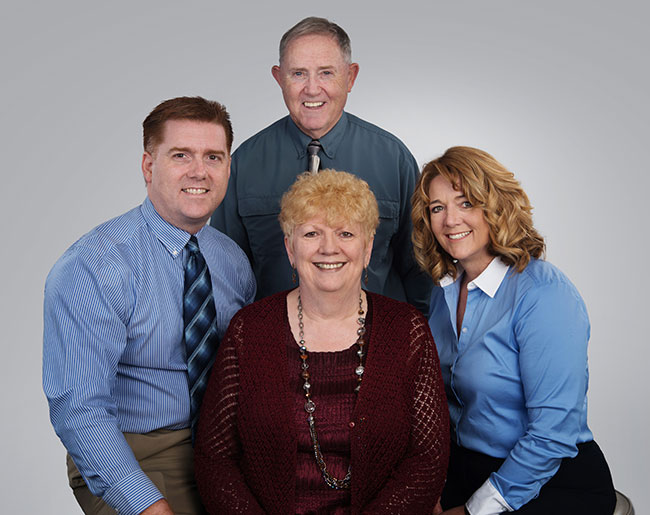
Founders and current owners of Salem Audiology

Meet Dr Scot Frink, AuD.

Dr. Scot Frink is the son of the founders and he pretty much grew up soaked in audiology. His Dad started Salem Audiology Clinic in 1982 and it was one of the first private practice audiology clinics in the United States. Scot obtained his Master’s Degree in audiology in 2004 but had been involved in hearing aid repair since 1990 and fitting hearing aids since 1995. He recently completed his Doctorate of Audiology in 2016.

A Host of Experience

Scot previously worked as a regional trainer for Phonak Hearing systems from 1999 – 2001 in Oregon, Washington, Idaho, Montana, and Alaska, before returning to private practice in 2002 where he became co-owner of Salem Audiology Clinic. Dr. Frink is particularly interested in single-sided hearing loss and the benefits of different hearing aid solutions for that problem.

He has presented numerous seminars on technology and practice development for state associations in his region, as well as consumer education seminars in his own community. He is passionate about assisting the hearing impaired, serving on numerous boards for consumer education and protection since 2002. He has become a well respected and well-known authority within the field of audiology. 

Both he and his team are dedicated to helping people with hearing loss to get the very best out of their life. They say that their satisfaction comes from the joy their patients feel when they are hearing clearer, able to once again connect with friends, family, and the world around them.

I have known Scot Frink for some time and I have been continually impressed with his commitment to further study in an effort to better treat people with single-sided hearing loss. His commitment to testing hearing aids and their benefit with all of his customers has also impressed me. He, and his team, really do go the extra mile to ensure that their customers have the best experience possible. 

Oticon Hearing Fitness App, A New Approach To Healthcare

Oticon has just introduced HearingFitness™, they say it is the first hearing aid app dedicated to hearing fitness. In fact, it has just won a CES Innovation Award in the Software and Mobile Apps category. But what is it, and why does it represent a change in the general concept of hearing aids? 

Otiocn CES Award

A Wider Use Case For Hearing Aids

I and many others within my profession have spoken of a change in the function of hearing aids. Hearing aids are always on communication devices, although we don’t often think of them in that manner. A hearing aid user normally puts their hearing aids on as soon as they wake up and doesn’t take them off until they go back to sleep. 

The fact that they are worn all day delivers opportunities for them to be used as vehicles for so much more than just being able to hear better. They are perfectly positioned to be used for many other needs and uses. For instance, in health tracking. 

What Does The App Do?

Oticon says that Just like an exercise tracker, HearingFitness monitors the wearer’s “hearing fitness”. They say that it monitors the impact of hearing on their overall health while providing advice and encouragement that helps the wearer hear better and stay healthy.

The new app will track hearing aid use, listening environments and other behaviours. It has been designed to gather and collate data from other wearable devices such as measurements of heart rate, sleep patterns and other health markers. The new technology is designed to give Opn users advice and encouragement on ways to hear better, protect their hearing and stay healthier. Oticon will introduce the HearingFitness App in 2018 for use in conjunction with their Opn hearing aids. 

The Future

I think this is just one example of how hearing aids and their function are beginning to change. I believe that hearing aids of the future will probably be sensor-filled devices that will allow an integrated communication strategy and a holistic health monitoring and management strategy. I have argued recently that the future for hearing aid technology should actually be standalone and integrated. 

At present, many hearing aids connect to the smartphone and leverage some of the smartphone technology to deliver benefits. I think that in the future that it will make more sense to integrate the smartphone functionality into the hearing aid. 

That would mean a hearing aid that was always connected to the internet and that could make and receive calls without the addition of a smartphone. Such a device would open up huge opportunities, allowing hearing aid brands to bring the power of cloud computing and artificial intelligence to bear on the function of hearing better. 

One small step at a time really, but with the introduction of the Hearing Fitness app and other innovations taking place within our sphere, it seems that I am not the only one who thinks holistic healthcare can be delivered with a hearing aid at the centre of everything. 

If you like what you see, share it so others can benefit

Widex and Signia announce new hearing aids in the lead up to EUHA 2017

Tomorrow the biggest European Audiology conference opens its doors. At the event every year we expect to see some of the big brands announce and exhibit something new. In the run-up to the opening event both Signia and Widex have made announcements about new product offerings, let’s take a look at them.

Widex announces new WIDEX CUSTOM™ 

Widex Custom

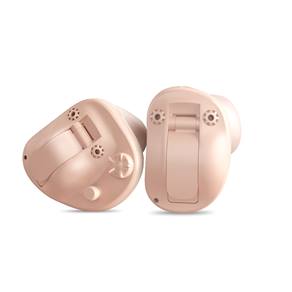
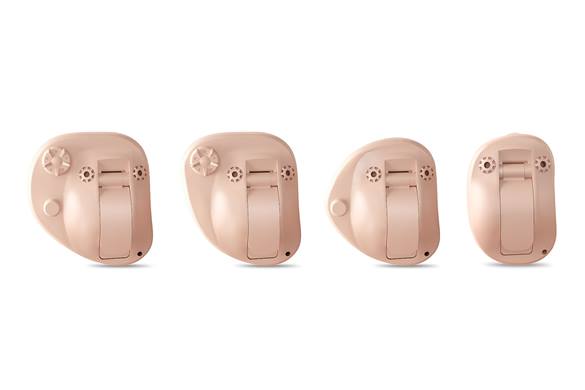
Widex has announced a new custom hearing aid type which will be added to the Unique platform. The devices are a completely redesigned in the ear hearing aid range. Widex say that they have made the amplifier module much smaller, or as they say “with a 40% smaller engine compared to previous models”.

The CUSTOM chipset is based on the UNIQUE platform and will feature all the benefits delivered such as sound classifier, soft level noise reduction and the largest sound window in the market. They have completely re-designed the faceplate of the CUSTOM and it offers dual microphones, a programme button and a volume control, both of which have been missing from Widex in the ear hearing aids for years.

Custom hearing aid models

In essence, we think this model range is an update to the X model, whether it will completley replace it remains to be seen. Additionally, the battery door has been redesigned and the devices use a 312 battery. They have said that the CUSTOM is wireless and will connect to Widex’s range of assistive listening devices. As we hear more, we will update you

Signia talks about a Toucan?

Yup, we don’t know either, but we are sure it will all become clear soon enough. Signia has been teasing us for days with talk about a new platform. Most of the cryptic clues have focused on reducing the irritation of our own voice. Let me explain, many hearing aid users complain that the hearing aids make their own voice sound un-natural. Normally this sensation fades away, but for some, it can be irksome. 

Signia have been bigging this up for the last few weeks really and in the last twenty-four hours, they have made it clear that they have made a breakthrough on this age-old problem. We are sure that there is more to it than that, but they are keeping their cards close to their chests. We expect an official announcement tomorrow to coincide with the opening of the convention. Again, as we hear it, we will update you. 

If you like what you see, share it so others can benefit

How Signia’s Own Voice Processing Changes the Hearing Aid Experience

I have worn the latest hearing aids from Signia and found them very impressive. You can read more about my experiences in the article“Signia Pure 312 7 Nx Hearing Aids, Here is What You Need to Know“. One of the things that was jaw-droppingly good was the Own Voice Processing or OVP feature. In this article, Dr Tricia Benjamin discusses why OVP might be worth thinking about if you are looking for hearing aids. Without further blah, I will hand you over.

Pure 312 7 Nx

Hearing loss presents much more than just a diminished ability to hear the world around you. It can affect all aspects of your life, from your relationships with family and friends to your career success and overall health. A simple way to solve these issues is to wear properly-fitted hearing aids. However, it can be a significant transition and can take time to get accustomed to your new hearing aids. Some people never adjust and will ultimately reject their hearing aids, contributing to the fact that only 20 per cent of people who could benefit from wearing hearing aids actually use them.

While the reasons people might return hearing aids can vary, one of the most common complaints is that they don’t like how their own voice sounds to themselves. When wearing traditional hearing aids, your own voice may indeed sound too loud, tinny, or otherwise unnatural. This issue was highlighted by a recent study that found only 41 per cent of hearing aid wearers surveyed are satisfied with how their own voice sounds. Though some get used to it, others may become frustrated and stop wearing their hearing aids altogether.

The importance of hearing your own voice

The way you hear your voice is a part of who you are and how you communicate with others. When your voice sounds different from the way you’ve always heard it, it can feel like a part of you has changed. Hearing that difference all day can be distracting and upsetting, and you might prefer to put up with your hearing loss rather than wear hearing aids that alter how you hear yourself speak. 
For too long this issue has prevented many people with hearing loss from benefitting from the devices that help them hear. Not wearing hearing aids, or altering the manner or how much you speak because you don’t like the way your voice sounds, can diminish your quality of life and potentially lead to social isolation or depression.

Previous attempts to solve the own voice issue come up short

What makes the own voice issue so difficult to solve? To understand the challenge, it’s important to look at the way hearing aids work. The devices amplify sounds so the listener can better understand speech and hear sounds they may otherwise have missed. However, the microphones in hearing aids that capture speech and other sounds also pick up their own voice as part of the soundscape (or environment). When processed along with other input, the patient’s own voice can end up sounding loud and unnatural.

Common attempts to reduce this problem have been for the hearing care professional to reduce the amplification of the hearing aids in various ways until the wearer’s voice sounded better. While this can help with accepting the way their own voice sounds, it can often lead to increased difficulty in understanding speech or other important sounds in the environment.

An own voice solution that works

The key to solving the own voice issue is to create hearing aids that process the sound of the wearer’s voice separately from the rest of the soundscape. The only solution currently available to do this is called Own Voice Processing, or OVP™, which separates your own voice from the rest of the soundscape and processes it in a way that makes it sound as natural as possible.

This capability is made possible by advanced technology using complex silicon microphone networks that detect the path of sound as it travels from your mouth to the hearing aids. Through full bandwidth audio exchange, the two hearing aids communicate with each other, share data, and enable the continuous own voice detection to identify your voice in all situations. This dual processing of your own voice separates it from the soundscape and allows for a natural hearing experience where everything sounds like it should—whether it may be other people speaking, ambient noises, or your own voice.

Rather than having to settle for a compromised ability to hear speech in favour of improving the sound quality of your own voice, OVP eliminates the challenge via a sophisticated and unique solution. The results speak for themselves. A study conducted amongst hearing aid wearers who were previously dissatisfied with their own voice shows that 80 per cent were satisfied after being fit with hearing aids with OVP processing.

Hearing your own voice, naturally

Wearing hearing aids can be a major adjustment that changes how you go about your life each day. In addition to hearing sounds you might not have heard in years and the regular routine of taking care of your hearing aids, another difficult part can be getting used to your own voice. When hearing aids are equipped with OVP, an essential part of who you are – your own voice – will sound more natural and familiar to you.

Shooting, Guns, Suppressors & Hearing Protection

We received an infographic submission recently from Gun Safe Lab. I like to shoot, especially range shooting, I find it extremely relaxing, almost Zen. There is just you, the weapon, the target and your breathing. However, unless you are wearing decent hearing protection, the sport you love can quickly damage your ability to hear. Good hearing protection is a must for shooters, however recently a new debate has opened up around suppressors. The infographic cuts through some of the misconceptions about suppressors and gives a better understanding of what they are capable of and the difference they might make. 

Shooting & Hearing Loss

Loud sounds coming from the use of guns may have two effects- reduce your chances of hitting the target or develop hearing problems. Any of these two could be harmful to you. Therefore, you should consider investing in both good hearing protection and a gun suppressor. Neither of these things is required or mandated, but it is better to stay protected.

Hearing Loss Happens Over Time

Even if you don’t think the sounds are too loud or you are not bothered by it, you really should think twice. Noise-induced hearing loss happens over time, you don’t develop hearing problems right away. If you keep hearing sounds at a high decibel level, you will end up with hearing issues. Before you know it, your hearing capabilities are no longer the same as they used to be.

Not Silencers, Suppressors

To call a suppressor a silencer is really a misnomer, there is no such thing as complete silence when using the gun but the noise is reduced to a certain extent. When you couple this sound suppression with good hearing protection, it will mean you should keep your hearing for longer. The noise reduction level will depend on several factors, calibre and type of weapon, ammo used and the type of suppressor you have bought.

Your Hearing Matters, Protect it

There are a lot of benefits from using good hearing protection and a suppressor, not least that you will be protecting your ability to hear. Check out the infographic below to find out more benefits to convince you it is time to get one for yourself now.

Protecting Your Ears: Do Gun Silencers/Suppressors Help

If you like what you see, share it so others can benefit

My life with hearing loss

I’m 43 years old now, I have been steadily losing my hearing since I was 5 and have been wearing hearing aids on-and-off for most of that time. Here’s my story:

Childhood Hearing Problems

At the age of 5 my parents took me to the local doctor because I was sometimes not responding to them when they talked to me, the doctor referred me to the ENT department of the local hospital. I was diagnosed with a sensorineural hearing loss and came away with a pair of BTE (behind the ear) hearing aids that had full-shell molds, the piece of the aid that went behind my ear was pretty big and bulky and the bit in my ear took up the whole space and pressed against the sides — I hated it and didn’t want to wear it.

Making Everything Louder

As this was 30 or so years ago, the hearing aid was an analogue device and did not have the sound quality and speech recognition that today’s devices do, it basically just made everything louder. My parents made me wear the aids to school and I do remember wearing them in class, but my Mum said, years later, that I didn’t wear them at school for long. 

I used to wear them up to the school gate and then take them off for the day, only to put them back in at home time so Mum didn’t realise. I remember being teased by the other kids about them, not a lot though, nothing sustained or evil, just the usual level of joshing that kids do with each other — some other kids got teased for being overweight, having ginger hair or other minor reasons, I got it for my hearing loss, to be honest I don’t remember it bothering me that much.

Just Stopped Wearing Them


So after a short while, I stopped wearing the hearing aids, I guess even though I wasn’t too bothered about teasing I still wanted to fix it, to be normal and not to stick out. At the age of 5 I had a minor hearing loss, I missed the odd word and probably didn’t hear people at times when they were not in front of me. I left education at 18 and I didn’t wear my hearing aids at all after that initial period. All through school and college I was sitting near the front of the class so I could hear the teacher.

Progressively Worse

During those years my hearing was getting progressively worse, what started off as a minor loss became a moderate one and as each year passed it became more and more difficult to hear in noise, in groups and when people were not directly in front of me. During my early teens, my parents took me to a private hearing aid dispenser and I got a pair of small in the ear (ITE) hearing aids that were by no means invisible but were much less noticeable than the old hospital ones. 

They were also a lot better at blocking out noise and allowing me to hear. By now, I was a teenager and the need to be cool and to fit in with the group was way more powerful than the need to hear, so I didn’t wear any hearing aids, despite it starting to become a real problem to hear every day.

By the age of 17 I was missing quite a lot of what people were saying so I was trying to cope in different ways. Lip-reading and watching the body language of the speaker were two things that worked incredibly well, over the years I’ve become very adept at lip-reading and when you watch someone’s body language quite closely it is surprising how much you can understand about the meaning and intention of what they are saying.

Hiding My Hearing Loss

I did things that were less useful, I laughed when someone finished saying something I didn’t hear, I changed the subject if someone told me something and then a while later asked me about it I would say I’d forgotten about it instead of saying I never heard it. Often, rather than asking someone to repeat themselves I would just respond to what I thought they’d said — their laughter when I said something stupid was crushing and entirely my own fault.

Withdrawal and Lost Opportunity


Looking back, I realise I started to withdraw from group conversations quite a bit, simply because it was the easier to do that than try to follow. I can remember the dread of being in a group and worrying someone might turn to me and say something like, “so, what do you think, Steve?”, to which my only answer could have been, “eh…I have no idea what we are talking about”.

I guess some people who knew me back then must have thought I was weird, rude or stupid. I must have answered some people with some things that were totally out of context with what they were saying, I must not have heard a lot of people and misheard a lot more. I also wonder if I would have gotten better grades at school if I’d worn my hearing aids, the grades I left with were decent but could I have done much better?

Just One Hearing Aid, and a Hat!


At about the age of 19, I knew the game was up, I needed hearing aids. I started to wear one hearing aid, an ITE device, and I wore a hat to hide it. During this time I built up an awesome collection of hats! Wearing a hearing aid made so much difference to how much I could hear but it was still a stupid move on my part, I have hearing loss in both ears and needed to be wearing two aids.

Wearing just the one is like getting a pair of spectacles and removing one of the lenses. I continued with that setup for some time, lots of hat wearing and one hearing aid, which worked OK but I was still not really accepting my hearing loss and hearing aids, I was still trying to hide them and deny the problem.

Realisation and Acceptance


Sometime after that, I finally gave in and started wearing two hearing aids. I’ve owned numerous pairs since then and have seen hearing aid technology advances in leaps and bounds — not only are they now much better at allowing me to hear speech in noise, they can stream music from my Android phone, stream audio from my iPad, allow me to take phone calls directly in my aids and much more.

It is still a battle though, as hearing aid technology gets better, my hearing gets worse. My hearing loss has now degraded to the point that it is classified as a severe hearing loss, which basically means I cannot hear anything without my aids. Even though I’ve been wearing aids almost of all my life it still amazes me that I can go from hearing almost nothing to being able to hear pretty comfortably most of the time with my hearing aids.

Progressive Problem


It is common for people with a sensorineural hearing loss to gradually lose more hearing over time, it’s known as a progressive hearing loss. It is also common for us to have tinnitus, which I do, mostly in my right ear. Nobody has been able to fully understand tinnitus or find a cure for it. The ringing and buzzing in my right ear is pretty strong and is there constantly, although wearing hearing aids does mask the noise out and I only really notice it when I’m not wearing them. Another good reason to wear hearing aids!

Tinnitus is a condition of the brain, it is believed that the brain is in some way trying to compensate for the lack of sounds coming through the ear. My tinnitus gets worse when I think about, it has flared up while I am writing this, when I stop writing this piece and do something else it will die down. Luckily it doesn’t bother me much, I’ve learnt to ignore the noise, it doesn’t stop me sleeping — I count myself lucky with that as tinnitus can be torture for some people.

So, that’s where I am today, trying to balance out improving hearing aid technology against my degrading ability to hear. Wondering when, or if, I will need to use a cochlear implant instead of a hearing aid, whether there might be some miracle cure for hearing loss (stem cell research looks promising) or whether hearing aid technology will continue to improve enough. As I get older, age-related hearing loss is going to quicken the decline and things are going to get tougher.

What if?

I wondered: would my life be any different if I didn’t have a hearing problem? If you had asked me that 20 years ago I would have said yes and would probably have told you all the things that I couldn’t do because I couldn’t hear so well. But now, the answer is a definite no, I have a lovely family, like my home, travelled to where I wanted to go and have been employed in jobs I loved.

Balancing The Voices in Your Head

I realise now that it was my own negative thoughts, my own worries that may have held me back in some small things, not my hearing loss, that was just my excuse that I could have easily fixed had I had the self-belief to do so. I should have worn hearing aids at an earlier age, should have embraced it and told everyone I couldn’t hear so well, turns out no-one is really bothered about it, it was just my own concerns. So, I don’t think my life today would be any different if I had perfect hearing, but I could have made the journey a lot easier on myself.
A hearing aid that knows its master’s voice?


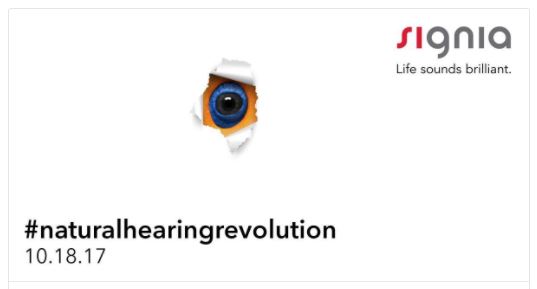
Just spotted a very interesting advert from Signia on LinkedIn. They are releasing a new product on 18th October 2017 that is “going to be able to distinguish the owner’s voice”. 

Why? Well, over the long years as a hearing aid wearer I’ve had a lot of trouble with my own voice versus other voices. Sometimes I’ve sounded like I was shouting so I spoke quieter, only to have a bunch of people asking me to repeat myself, other times I sounded echoey and other times I just sounded “wrong”. As an aside: it’s kind of surprising just how different I sound to myself when I’ve tried different hearing aids or had them programmed differently, there can be a huge variation when different people set hearing aids up in different ways. 

So Signia’s new hearing aid is going to be able to distinguish your own voice from everyone elses, I think that could make a real difference to hearing ability when there is competing voices.

Should be interesting, here’s what Signia are saying on their own website:

Even when fitted open, wearers are often dissatisfied with the sound of their own voice. In such cases, the problem is most likely due to hearing aid output. This is because conventional hearing aids cannot distinguish the wearer’s voice from all other sounds. As a result, the wearer’s own voice is amplified the same as external sound and is perceived as too loud or distracting. And for exactly the same reason, when the HCP reduces the gain applied to the wearer’s own voice, other sounds from the environment are affected as well.

Hearing aid manufacturers have tried to take the wearer’s own voice into consideration. Modern hearing aids can identify speech based on its temporal and spectral characteristics and process it differently than other sounds, but they cannot identify the speaker from external voices. Existing solutions are ineffective because external sounds and the own voice are treated equally which results in one or the other being compromised.What if there was a way for hearing aids to recognize their owner’s voice?

Learn more about the latest innovation from Signia on October 18th, 2017.

If you like what you see, share it so others can benefit

Signia Release The New Nx Hearing Aid Platform

Three Models at Three Technology Levels, All Made For iPhone, a Better Own Voice Experience, an outstanding live remote fine-tuning feature, oh, and a Completely New Open Directionality Experience

So, I think Signia have plenty to talk about here, the big news for them has been the introduction of this new system to handle the user’s own voice. However, there is so much more to talk about, like the expansion of their well-received direct connection (Made For iPhone) system across two more styles, newly updated Telecare and that new “Open” directionality experience. Let’s take a look at what they have to say.

Three Models, Three Levels of Tech

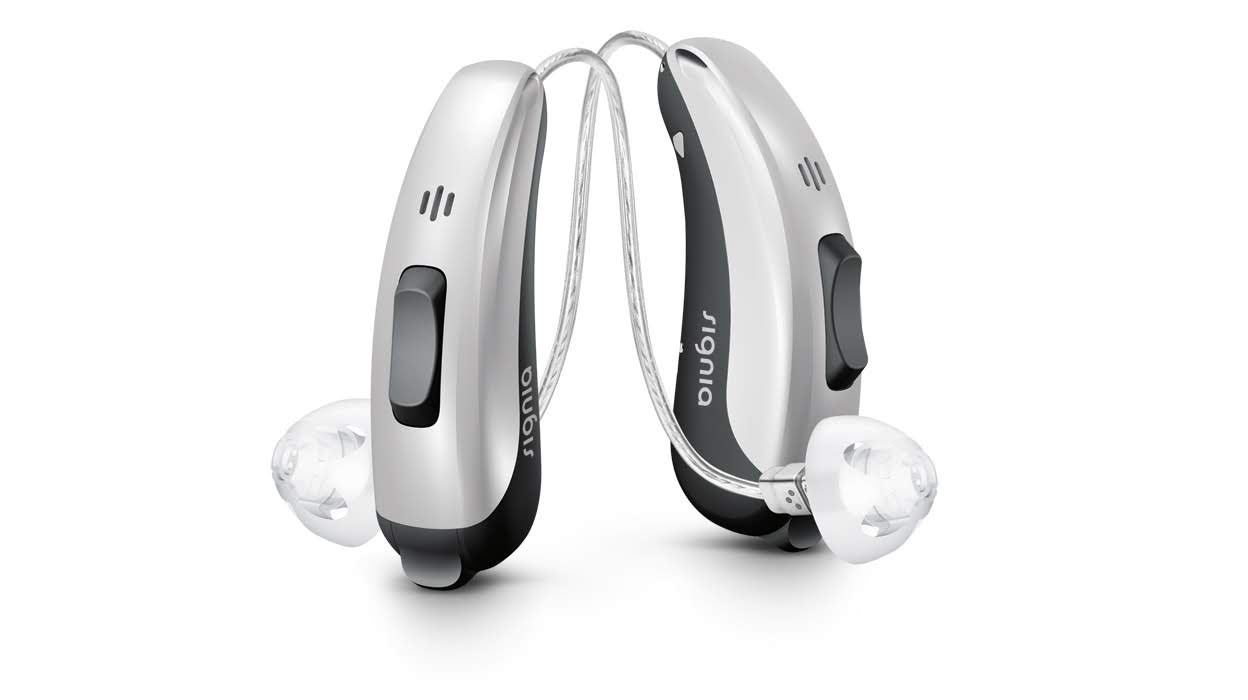
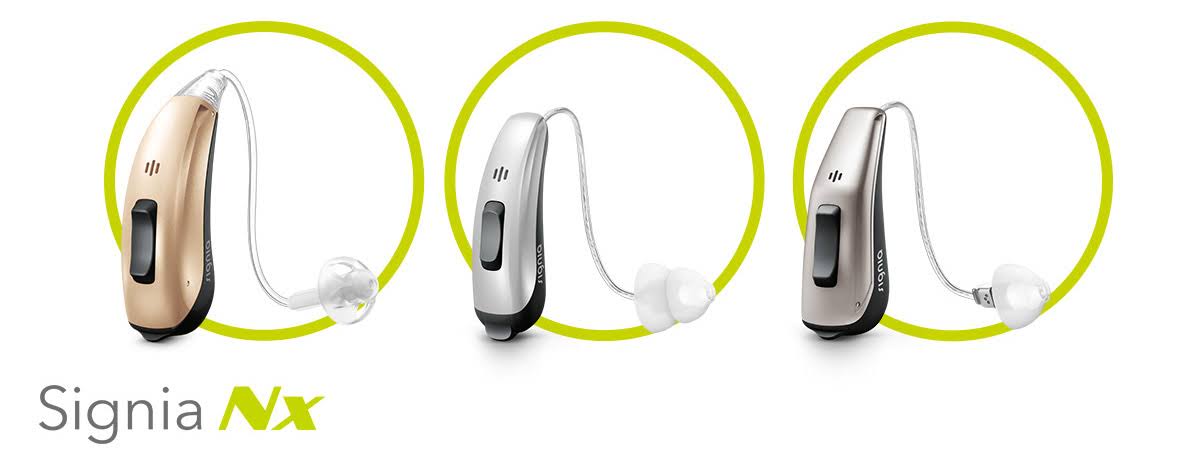
As I said, there are three models initially available across three levels of technology. As is the norm with their tech levels naming system, the levels are the premium 7, the mid-range 5 and the entry level 3. The models themselves are two Receiver In Canal devices and a BTE.

Signia NX models

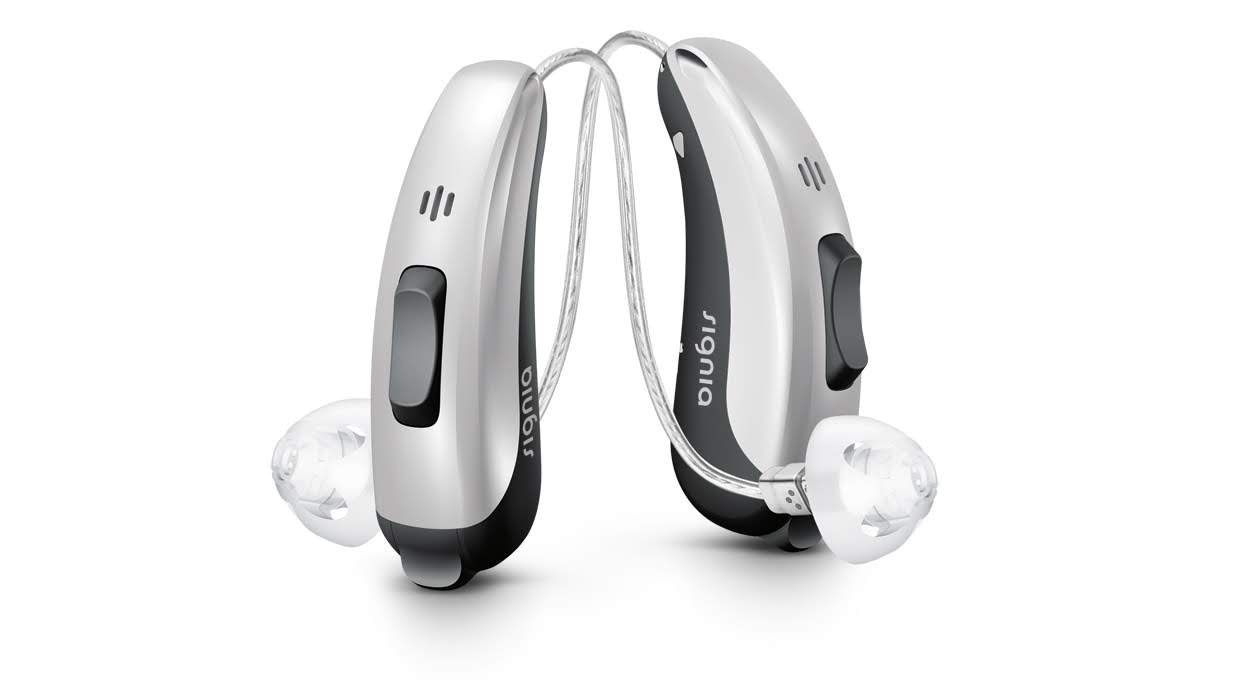
Pure 13 NX

This device is an updated version of their Pure 13 BT, it offers the new system which separately processes the wearer’s own voice. It comes with superior connectivity with direct streaming and the myControl App. The hearing aid has a rocker switch which allows programme changes and volume changes. It is IP68 rated and can be fitted with the four levels of receiver power making it suitable for most hearing losses.Signia say that users will enjoy the longest wearing time in its class while streaming. It also has access to the full live remote support via TeleCare 3.0.

Pure 13 Nx

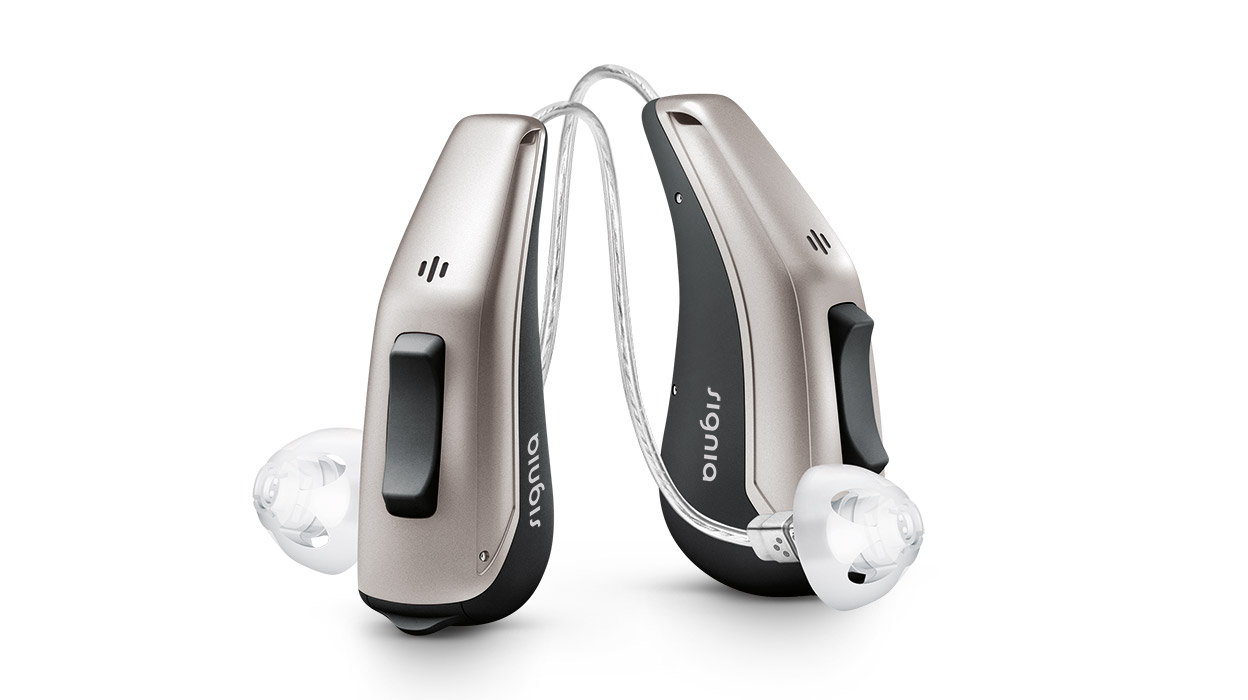
Pure 312 Nx

This device is a very svelte Pure (RIC) device using a 312 battery, again it offers the new system which separately processes the wearer’s own voice. The hearing aid has a rocker switch which allows programme changes and volume changes. It is IP68 rated. It can also be fitted with the four levels of receiver making it suitable for most hearing losses. It comes with superior connectivity with direct streaming and the myControl App. It also has access to the full live remote support via TeleCare 3.0.

Pure 312 Nx

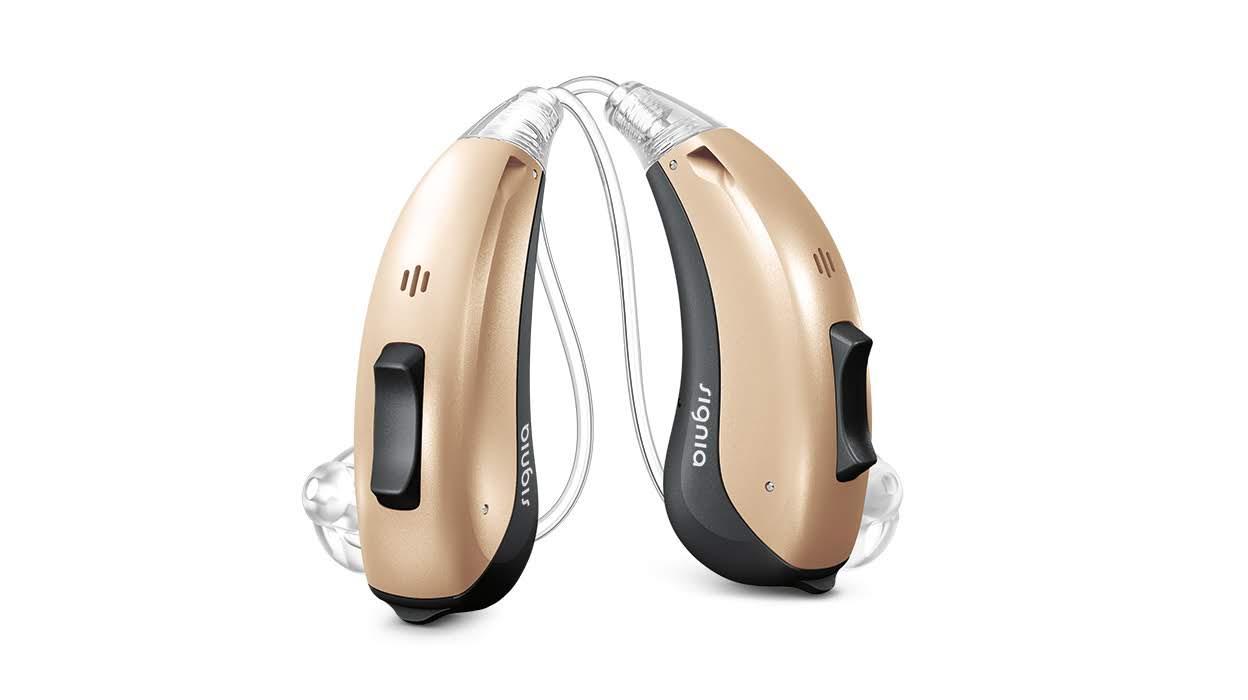
Motion 13 Nx

This device is a BTE device using a 13 battery, again it offers the new system which separately processes the wearer’s own voice. It also comes with superior connectivity with direct streaming and the myControl App. It also has access to the full live remote support via TeleCare 3.0. The device also offers the rocker switch for programme and volume control changes. This is a pretty versatile device which offers a telecoil option with the simple switching of the battery door. The device is IP67 rated for dust and moisture. 

Motion 13 Nx

The New Stuff

OVP, Own Voice Processing

Signia have made a very big deal of the OVP or Own Voice Processing, in essence, this is the first ever device to process the user’s own voice differently from everything else. In fact, they have dedicated a completely separate processor on the platform to facilitate that. They say that the strategy will increase the acceptance of a user’s own voice dramatically. For new users of hearing aids the sound quality of their own voice can be off-putting, but it is usually something that they get used to. However, as Signia point out, used to does not mean happy with. This system promises to deal with the issue.

Direct Connection

They have expanded their Bluetooth system across this range, offering direct connection with the RICs and the BTE. Their original offering, the Pure 13 BT was well received, the system was innovative in that it used the sensors on the iPhone to assess the forward movement of a user. This allowed the hearing aids to change how they were processing sound. This system and feature set has now been expanded across the new range.

Confused about hearing aids?

Confused About The Right Hearing Aid For You? 

hearing aid buying guide

Our buying guide, easing the confusion with clear easy to understand info, we guarantee it will help you pick the right hearing aid for you.

Telecare 3.0

This is a really interesting development, Signia has made the Telecare service a live service. They were initially the first to offer Telecare with a limited fine-tuning option although Resound quickly followed with the launch of the LiNX 3D and their Remote Assist which had more functionality. Signia though quickly expanded that fine-tuning option and added video calling to the system. Now they have enabled full live remote tuning with video support which is a pretty huge breakthrough.

The new service means that you can set-up a video call with your hearing professional and explain the issue you are having in the situation you are having it in. While you are connected, your hearing professional can tweak your hearing aid’s settings live and you can quickly assess if they are better.

So for the first time ever, it’s possible to have for a provider to fine-tune your hearing aids while you are in the listening environments that matter to you. It will be interesting to see how many providers offer and use the service. It will also be interesting to see how it is offered. 

The New Open Experience

This made me giggle a bit, Open experiences have become popular all of a sudden, not spurred on by the success of a certain other hearing aid brand at all!!!! Enough said on that one. The info on this system is limited at this stage, although I hope to get hard details on the new system. All that I know right now is that it is a new type of directionality system that uses beam-forming but still offers a more “open” experience. As I find out more, we will talk about it.

I have watched Signia with interest over the last few years, as outsiders who have come into the industry they have always done things a little differently. They also seem to be less afraid of offering innovation that others may have been nervous of in the past. For instance, the Telecare package, which many were worried might upset Dispensers. I have actually never worn a Signia or Siemens hearing aid and I haven’t fitted them in over eight years. I was actually surprised when I worked that out earlier. 

How time flies when you are having fun right? I am hoping to get my hands on a pair of Signia Nx hearing aids soon so I can put them through their paces. If and when I do, I will fill you in on my experiences.

If you like what you see, share it so others can benefit

How to Excel in Your Career When You Have Hearing Loss

466 million people all over the globe are deaf or hearing-impaired, with 432 million of them being adults. By 2050, the number of adults and children with hearing loss is expected to rise to 900 million.

If you’re hard of hearing or deaf, you’re not alone. Many others share the same struggles. When it comes to gaining traction in your career, you should know that using the latest assistive technology will help you to access your work environment. This post shares information about two cutting-edge assistive technologies which help deaf and hard of hearing people to achieve their career goals.

Workplace

Photo by Kolapo Oni on Unsplash

FM systems make meetings easier

When you use an FM system, the leader of a meeting will wear a microphone. When he or she speaks, the sound will be transmitted directly to you, at a volume that is consistent, no matter how far from the microphone you are. At present, there are a couple of FM system options and they are sound field and personal.

The personal FM system couples right to a cochlear implant or hearing aid and it must be set for every person who uses it. The sound field style offers directed, boosted sound levels to groups of people, through specialized speakers which are placed around the conference room, in strategic locations.

Telecommunication devices offer benefits

A TDD (telecommunication device for the deaf) is a form of teleprinter which allows for text communication via a typical telephone line. It’s perfect for deaf and hearing-impaired people and provides practical assistance to those who have trouble speaking. When you invest in a TDD system, you’ll be able to take calls without needing to worry about missing things due to your hearing loss.

Another option is a telephone which is captioned. These captioned telephones are best for those who do have some hearing. The give users the ability to carry on spoken conversations, while receiving transcripts of conversations on computer monitors. A captioned telephone will give you greater peace of mind, as you may refer to the transcript if you feel that you aren’t hearing certain words. To do well in your career, you’ll need to access correct information and this device will help.

Showcase your skills and achievements

If you want to find a job and then move up the corporate ladder, you should polish your CV and use the Web to network with prospective employers. When your curriculum vitae highlights your strengths, rather than your hearing loss, you will have a better chance of getting an interview. You may then use assistive technology during interviews. If you get hired, you may utilize assistive accessories to integrate with your new work environment.  

Technology keeps evolving

These two options are vital assistive technologies, but they aren’t the only assistive technologies. They are great starting points if you want to improve your ability to understand others while you are at work. When you use an FM system during meetings and rely on your preferred form of telecommunication device for phone calls, you’ll empower yourself and boost the odds of career success.

How Can We Combat The Stigma Associated With Hearing Aids

Stigma around hearing aids still exists much to my incredulity. I really don’t understand why that is the case, I mean hearing aids solve real problems, you have the problem, sort it out. Modern hearing aids like the LiNX Quattro are really fantastic, not just that, but they are discrete. No matter, despite my abject irritation, stigma still exists. In this article, Karen Simpson talks about what we can do to combat the stigma. 

Linx Resound Quattro rechargeable hearing aids

Hearing loss affects a portion of our society, and unfortunately, many of those affected fail to seek help due to the stigma surrounding hearing loss and hearing aids.

Most people mistakenly think that hearing loss is something only old people need to worry about. However, the National Institute on Deafness and Other Communication Disorders (NIDCD), estimates that about 37.5 million (15%) American adults aged 18 and above report some trouble hearing. Although a significant percentage of the elderly have some form of hearing loss, it is something that can affect people of all ages.

Additionally, the NIDCD reports that about 28.8 million U.S. adults could benefit from using hearing aids, but only a small percentage choose to do anything about it despite the fact that hearing loss can adversely affect an individual’s quality of life resulting in poor interactions with others. This lack of ability to hear, in turn, can lead to frustration, embarrassment, withdrawal, social isolation and negative workplace encounters.

Stigma Attached to Hearing Aids

Living with hearing loss can be difficult both for those with hearing difficulties as well as those around them. While hearing aids can help people hear better, stigma, prejudices, and misconceptions still abound. The overall negativity can deter individuals from purchasing or wearing their hearing aids.

study published in 2010 found that stigma associated with hearing loss has a negative impact on a person’s initial acceptance of their diagnosis and also affects whether or not they choose to wear hearing aids. The study also discovered that the stigma around hearing loss is directly related to an alteration in self-perception, vanity, and ageism.

Just the thought of wearing hearing aids was found to negatively affect how people viewed themselves, possibly because they felt that hearing aids made them look older than they were. Fortunately, the negative self-perception changed once participants tried on discreet and unnoticeable hearing aids.

Breaking The Stigma Associated With Hearing Aids

So how can we overcome the stigma towards wearing hearing aids? Here are some things you can do:

  • Educate yourself. People often mistrust what they don’t understand, so if you have hearing loss, educate yourself on the different types of hearing aids available. Thanks to technological advancements, hearing aids today are a far cry from the bulky and conspicuous devices of decades past. Nowadays you can get discreet, customized hearing aids, some small enough to fit right inside your ear canal. Additionally, you can get hearing aids with Bluetooth Technology or other wireless accessories, so you can carry on with your daily life.
  • Speak up. Don’t be afraid to speak up about your hearing loss, how it was diagnosed, how it affects your life, and what you’re doing about it. You can also show people how your hearing aids work. Addressing the situation openly and honestly with your loved ones goes a long way towards clearing up any misconceptions they might have. Also, mention ways in which they can make things easier for you, e.g. facing you while speaking, so you can follow a conversation.
  • Be helpful. If you have someone with hearing loss in your life, go the extra mile to be helpful. Find ways to support them, e.g. accompanying them to the audiologist where you might learn more about hearing loss. The change to wearing hearing aids can be a difficult transition for most people, so it helps to have a shoulder to lean on.
  • Be sensitive. Try to avoid jokes involving a person’s physical appearance and abilities. Instead, put yourself in their shoes. Find out how they really feel and what they’re going through and see how you can help them.

Being kind and educating others about the process you went through to hear better can greatly minimize some of the stigma around hearing loss. Most importantly, don’t allow the stigma to keep you from living a full life.