The British Legion Veterans Hearing Fund

Helping UK Veterans Regain Better Hearing

The Veterans Hearing Fund (VHF) is a fund managed and run by the British Legion that provides support to veterans who acquired hearing loss during their Service. Fines from the Libor Scandal are used to finance the fund, so no money comes from the exchequer as such, nor does any money come from the British Legion itself. Let’s talk about the Veterans Hearing Fund. 

A new initiative to deliver the best hearing aids available to Uk Veterans

How Does The Veterans Hearing Fund Work?

The Veterans Hearing Fund is open to ex-servicemen and women who have a wellbeing need that cannot be met through statutory services (such as the NHS). The VHF may fund hearing aids, hearing device peripherals or therapies (e.g. lip reading, Tinnitus Therapy). As I said, access to the fund is open and if you are passed, you can use your funding at any hearing care practice to purchase hearing aids and assistive technology to ensure you can live your life. 

UK Veterans and the Veterans Hearing Fund

Accessing The Veterans Hearing Fund

As we said, the Veterans Hearing Fund is managed by the British Legion and supplies financial support for hearing aids or hearing equipment for eligible Veterans. There are now many hearing healthcare practices who have worked closely with the British Legion in order that they can understand clearly everything that needs to be done during the application process. The process is as follows:

You either contact the British Legion or a local hearing healthcare practice giving them the details/history of your service and hearing loss. They will help answer the question,  are you eligible for the Veterans Hearing Fund.

Requirements For the Veterans Hearing Fund are one of the following;

  • In receipt of a war pension or armed forces compensation scheme for your hearing loss 
  • Received a lump sum payment for your hearing loss
  • Applied for compensation for your hearing loss
  • Provided hearing aids by the MOD
  • Have service medical records that show hearing loss

The VHF Form

If you meet the requirements, you, or the hearing care practice you are working with, will fill out the Veterans Hearing Fund (VHF) form and send it off along with any relevant medical records. The British Legion make a decision to be issued the second stage of the application. If you are successful in moving to the second stage, your hearing care practice will book you in for a hearing test.

Final Stage Application

After the hearing test, they will then send off the second stage of the application, the Veterans Hearing Fund (VHF) Final Stage Application, along with your audiogram. The application is then anonymised and presented to the VHF Advisory Panel to make the final decision.

If the application is approved, you can then organise to be fitted with hearing aids. You will then be treated on an ongoing basis as a usual customer of the Practice, getting the aftercare and assistance you need. We think it is a fantastic programme and we have talked about it before. If you are a UK Veteran and you have hearing loss related to your service, then the Veterans Hearing Fund is an ideal way to get the very best hearing aid technology available. 

If you are a retired veteran requiring hearing aid assistance and believe that you meet any of the above criteria, To apply, please download and complete a VHF eligibility application form. To request a form to be sent to you by post, please call the British Legion Contact Centre on 0808 802 8080 (free) or email medicalfunds@britishlegion.org.uk

Why are NHS hearing aids not great for war veterans?

There has been an argument in the past that the NHS supplies hearing aids suitable for veterans. They do, however, some Veterans need more support and better technology that is available on the NHS. The NHS is under considerable budget pressures, and while the hearing aids available on the NHS have dramatically improved in quality, they are still less technologically advanced than current premium hearing aids available privately.

Because of the nature of hearing loss suffered by most Veterans, they need a higher level of technological features and help from ancillary devices such as remote mics, TV streamers and phone streamers meet their hearing needs. These can make a big difference to a veteran ’s hearing and ability to socialise but are generally not provided via the NHS. For these people, we think that the Veterans Hearing Fund concept is a fantastic service. It means that you will have access to the very best hearing technology available.

Does having a war pension change my eligibility?

Having a war pension does not change anything about your eligibility. If you are in receipt of a war pension and you need assistance with hearing aids or therapies, you will still be eligible for the Veterans Hearing Fund. A war pension is designed to cover usual living costs, not the specialist requirements of service-induced disabilities.

How can I get a free veterans hearing aid?

Applying to the Veterans Hearing Fund isn’t quite as difficult as many people think. There are some information and documents needed, but the paperwork is not bad. Don’t let that put you off though, as an ex-serviceman or woman, you are entitled to use the fund for hearing aids and equipment. Hearing aids and equipment that can make a huge difference to your life and wellbeing.

Many hearing healthcare practices have built plenty of experience helping Veterans through the process and then providing them with hearing aids and assistance. All you need to do is find your closest hearing care practice and they should be able to handle the entire application process on your behalf. 
If you like what you see, share it so others can benefit

My experience of Sudden Sensorineural Hearing loss (SSHL)

Nine months ago I was sitting in a school auditorium, listening to a guest speaker giving a presentation. I am a teacher of Early Years children, and this was part of the school training sessions, a week before the start of the new school year. I lifted my head up from writing some notes, and out of nowhere came a loud screeching sound that filled my head with pressure. The sound grew quieter into a dull ringing, but the pressure continued and I was soon feeling light-headed and disoriented. This is how I lost the hearing in my left ear. There was no accident or known infection or virus that caused it. There was nothing inside my ear blocking the sound. It was not a gradual deterioration. My hearing just disappeared. I had experienced something called sudden sensorineural hearing loss.

The treatment that followed was anti-inflammatories and nasal sprays prescribed by my doctor. When these didn’t help, I was referred to a specialist, who told me to go to the hospital where I received a week-long course or intravenous corticosteroids and anti-viral medication. I continued taking the corticosteroids for another four weeks after leaving the hospital. I also received four injections of steroids directly into my ear, each a week apart. I went for an MRI scan which ruled out a tumour as the cause of my hearing loss; which of course I was relieved by. Yet nobody was able to find a cause of the loss of my hearing. Despite the medication and treatments I received, there was no improvement in my condition. I am now severely deaf in my left ear.

The obvious problem with being deaf in one ear is that I can’t hear. I have read about other people’s stories of sudden hearing loss and it seems that everybody’s experiences are unique. Many people lose their hearing in similar ways such as hearing a pop in their ear or feeling a fullness sensation in their head accompanied by pressure. Yet the after-effects can differ a lot. For me, it is not the actual deafness that is the main issue I am dealing with, but rather the other ‘hidden extras’ that come with my condition. Of course, I get frustrated by not being able to hear well. How many times can I ask my boyfriend what he has just said to me? How many times can you ask someone to repeat themselves, before they decide that what they were saying ‘doesn’t matter’? But I am facing more challenging issues than just having unilateral hearing.

With only one hearing ear, I have no idea where sound is coming from. I might hear some music or a noise, but I won’t know which way to look to see what has produced the sound. Sound localization is a skill enabled by having two working ears, not one. I find it difficult to filter out background noise. When I am in a place with sounds such as traffic, people talking or music, and somebody tries to speak to me, I cannot hear them unless they are standing very close to me on my hearing side. Another issue I am having is that I developed a sensitivity to sound. I find loud noises painful and with loud noises, my head fills with pressure. The kitchen is an orchestra of cutting sounds: water running and clinking as it splashes in the metal sink, kitchen pots and pans clanging together, the ping of the microwave and the beeping of the washing machine, and the oven fan that blends the other sounds together; making a mass of pressure in my ears. Another uncomfortable part of my day is when I open the main door to the block of apartments where I live, and am immediately faced with city sounds of traffic and people. Eating crisps, or anything crunchy such as crusty bread, sounds so loud and distorted in my head. This was originally something I found really difficult to cope with, but seems to be getting better with familiarity.

One of the most upsetting things is that I have realized that many of the things I love involve noise. I love music and listening to podcasts on my IPod. Now I no longer can enjoy music how I used to. I have programmed my earphones to filter all the sounds from music into mono so that it ensures I don’t lose the sound of the drums or vocals when using only one headphone. However, this obviously means that all the sound goes into my right ear, which is already dealing with enough right now, and soon becomes uncomfortable with the intensity of the noise.

I regularly feel exhausted. I’m not sure why. Perhaps it’s my body trying to adapt and cope with feeling off balance and sensitive to my surroundings. Everyday sounds are tiring. With tiredness comes the difficulty of concentrating on individual sounds, which in turn makes the process of hearing conversation difficult. I also have continuous tinnitus in my deaf ear. For me, my tinnitus is rarely just one constant sound, but rather a mixture. Some common sounds for me are: the sounds of swimming with my head underwater, bells, ringing and whooshing – like the sound from those corrugated plastic tubes that children swing in circles to make a noise.  During the daytime I am often able to disconnect from my tinnitus, as there are usually other ‘real’ sounds to occupy my hearing. However, when I am lying in bed trying to sleep I hear only my tinnitus. Every day at this moment, I wish for silence.

There have been difficult times where I have lost my confidence or when I’ve experienced moments of sadness and the feeling of loss. I sometimes think it would be easier to have been deaf in one ear all my life, than for it just to happen to me. I know how great music can sound in stereo. I know how easy it can be to talk with people and hear their responses over background noise. I know how it feels to enjoy the loudness of the cinema or to experience the force of live music at a festival bouncing through your body.  I also know there are people going through much more difficult and scary things. Yet it is only human nature to feel sad. I have felt angry at my body for letting me down. I lost a part of me that played a big role in enabling me to interact with the world. I am starting to deal with it. I will keep trying every day, to tackle the new challenges that come with my hearing loss. Eventually I want to be able to embrace my hearing loss, and not let it upset me, rather for me to take control. I want to enjoy the hearing that I do have and feel grateful for it.

Bragi Releases Dash Pro

A Custom Hearable, Tailored By Starkey

In a story I read many years ago there was a device that was implanted in your cochlea. A device that allowed you to interact with your world, giving you information, translating foreign languages and allowing you to communicate with other people in the manner of a phone or radio. I think the recent introduction of the Dash Pro by Bragi brings us one step closer to that day. An announcement recently revealed that Bragi are releasing a new updated Dash called the Dash Pro. Not only will it be an updated model, but thanks to their relationship with Starkey, it can be a custom fit product too. More comfortable, better sound, fit just for you. 

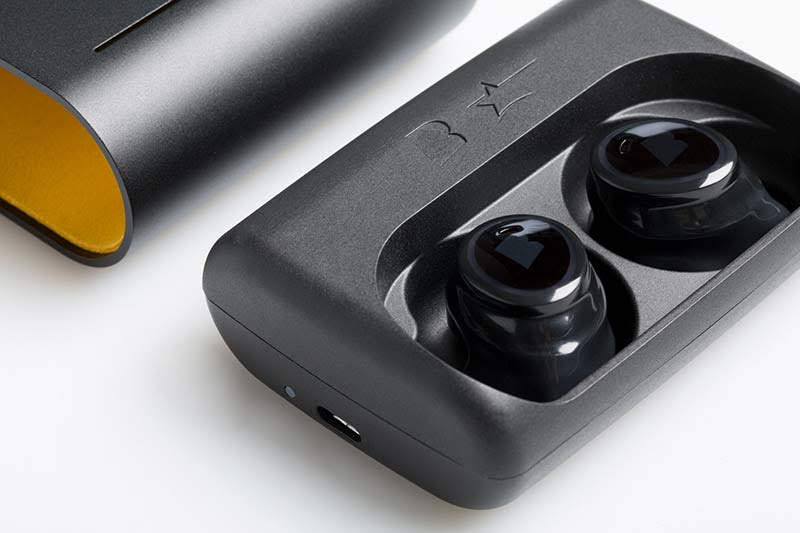
Brag who are Munich, Germany based announced what it calls the next generation of true wireless devices, the result of a partnership brokered with Starkey Hearing Technologies. The two new members of the Bragi family include the Dash Pro and The Dash Pro tailored by Starkey, said to be “The World’s First Custom-Made Wireless Ear Computer,” featuring a unique, personalized experience. 

The Dash Pro by Bragi Tailored by Starkey

Bragi Dash Pro tailored by Starkey

This is an interesting development and it can be seen as the first time that a hearing aid brand is getting involved with a true hearable. According to a joint release from the companies, The Dash Pro tailored by Starkey and The Dash Pro aren’t just headphones, hearables, or true wireless devices, but powerful ear computers.

The concept behind the devices is to bring together artificial intelligence, mixed reality, service enablement, and cognitive learning in a single product. Those are pretty high aspirations, but they make sense in the context of what Hearables could become. In essence, Hearables will only be effective and attractive if they are designed to improve the quality of life for its end user.

A partnership here makes a huge amount of sense for both companies. Bragi has real vision and a great deal of experience with modern sensors and their utilization in the ear. While Starkey have huge experience with audio processing and psychoacoustics. 

Bragi have entered into partnerships with companies including IBM, BMW, and iTranslate to offer real differentiation between the Munich-based startup and its competition. Again, I think this element shows the roadmap to future Hearable functionionality. The devices will be designed to assist and interact with more and more parts of your life. So what can the new Dash Pro do for you?

The Dash Pro Details

The Dash Pro is designed to offer best-in-class Bluetooth connection quality and audio. It offers a simple one-touch setup to connect to Android, Apple, or Windows’ devices in a matter of seconds. Battery life has been increased and the Dash Pro offers up to 5 hours of battery life on a single charge, and up to 5 charges on the go from the case.

The audio transparency feature carries over from The Dash, allowing desired sound to pass through The Dash Pro, or cancelling out what you don’t want to hear. Using Knowles® Balanced Armature Speakers will deliver premium sound and Knowles Versant™ advanced voice technology is designed to deliver the clearest possible hands-free communication and voice commands in the most adverse sound situations. 

There is an advanced audio codec with reduced white noise and and new foam tips for stronger bass and a better seal on the non custom device. Bragi FitSleeves are also included with The Dash Pro.

The Dash Pro contains more than 150 micro-components, a 32-bit Processor, artificial intelligence powered by Dash AI, and 27 sensors. Those sensors facilitate Bragi’s Kinetic User Interface, which enables users to literally turn their body into the device with a tap of the cheek or a nod of the head through the Virtual 4-D menu. This is an interesting advancement and one that will reduce the need for audio commands. 

In essence Bragi are trying their best to ensure that no other device will be needed to deliver the full functionality of the Dash Pro. It will be interesting to watch this functionality grow as it has a huge amount of possible uses in hearing aids themselves. 

Bragi OS 3 (BOS3) is the fourth major OS update for The Dash and comes preinstalled on all new The Dash Pro tailored by Starkey and The Dash Pro editions. New features include the following:

  • iTranslate Compatibility. The Dash Pro tailored by Starkey and The Dash Pro are now integrated with iTranslate, bringing real-time, face-to-face conversational language translation to audio devices for the first time in around 40 different languages. Users wishing to access this feature will need to download the iTranslate Pro App in the Apple App Store. Users of The Dash Pro tailored by Starkey and The Dash Pro will receive a free 1-month trial with their purchase.
  • Virtual 4D Menu. The Virtual 4D Menu is a unique, hands-free, head gestures (and audio only) based, way of interacting with The Dash Pro tailored by Starkey, The Dash Pro and The Dash, giving users the option of accessing core features in situations where their hands are preoccupied with other things.
  • Easy Bluetooth Handling. A simple one-touch setup connects your Android, Apple, or Windows device in a matter of seconds. The 6-digit confirmation code has been removed while a secure connection is maintained. The menu for Bluetooth Classic and BLE connections can be now found on the right earbud, leaving the left earbud for third party apps integration.
  • Auto Tracking. The Dash now understands whether you are running, cycling, or swimming so the user can keep track of workouts automatically without ever pushing a button. This marks the first AI-powered skill that simplifies the UI and makes fitness tracking hassle-free.
  • Simplified Touch Interface. The Touch UI has been simplified and made more ergonomic to use. Additional “Use Guides” support the user to easily connect to The Dash and explore its smart capabilities.
  • Offline Storage and Data Transfer. Activity sessions are now stored and transferred to the Bragi app automatically so they can be accessed for future use.
  • Sound Improvements. Advanced tonal balance for natural sound.
  • Clearer Audio Transparency. The microphone’s noise floor has been greatly reduced and improvements have been made in understanding the naturalness of the acoustic landscape.

Dash Pro Functionality

  • Listen to music, podcasts, and more via seamless, streaming Bluetooth audio.
  • Store up to 1,000 songs and/or podcasts on 4GB of internal storage. Carry just The Dash Proand leave the phone at home.
  • Make or receive phone calls (even in noisy environments) with enhanced Versant™ advanced voice technology from Knowles.
  • Leave the USB cord behind; the products are said to deliver up to 5 hours of battery live and 30 hours on-the-go.
  • Carry a conversation in multiple languages. The Dash Pro tailored by Starkey and The Dash Pro are now compatible with iTranslate.
  • Go hands-free with the Virtual 4-D menu and access core features with just head gestures and audio commands.
  • Enjoy a run, swim, or bike ride with auto activity tracking. The device recognizes the activity so users can keep track of their workouts automatically without pushing a button.
  • Visualize workouts from within the Bragi app, including current performance and a detailed breakdown of past activities.
  • Get wet! The Dash Pro tailored by Starkey and The Dash Pro are waterproof in up to 3 feet of fresh water.
  • Hear what you want to hear. Audio transparency lets you block out sound, or let it all in.

The Dash Pro Tailored by Starkey

So how will you get your hands on the Dash Pro tailored by Starkey? At the launch it was announced that it will be offered exclusively through a personalized shopping experience at approximately 5000 audiologists throughout the United States and Canada. We would expect that network to expand to include Audiologists in Starkey networks in The United Kingdom and across Europe. 

The Dash Pro tailored by Starkey device is manufactured in the same way a custom hearing aid is. The shape will be based on an exact impression of the user’s ear canal taken by an Audiologist. This type of custom fit will offer the best isolation and fit which will offer better clarity, detail, and no loss of bass frequencies. The devices will use HearClear replaceable WaxGuards to allow for long-term wear, minimal cleaning and reliability. The devices are to retail at US$499 ($699 CAD) which puts them in the reach of many. The Dash Pro reportedly retails for US$329 (€349 including VAT in the EU) and is available right now through the Bragi Shop. Rollout to major retailers including Best Buy are taking place over the coming weeks.

If you like what you see, share it so others can benefit

Find An Independent Hearing Aid Centre in Your Area

Arrange a consultation with a trusted Independent hearing healthcare professional in your area

Hearing Loss and Heart Health, What You Need To Know

Hearing loss and cardiovascular disorders.

We have long known that hearing loss is linked to or often accompanies other health conditions. For instance, diabetes is a co-morbidity (comorbidity is the presence of one or more additional diseases or disorders co-occurring with a primary disease or disorder) of hearing loss, as are cardiovascular disorders. A study in 2017 caught my attention, it was a large scale study and it found that low-frequency hearing loss, in particular, was associated with underlying cardiovascular issues . In essence, if you have problems with your heart, you are more likely to have problems with your hearing. Let’s talk about why, and what the studies have said in relation to the matter. 

Your heart health

The heart and hearing connection

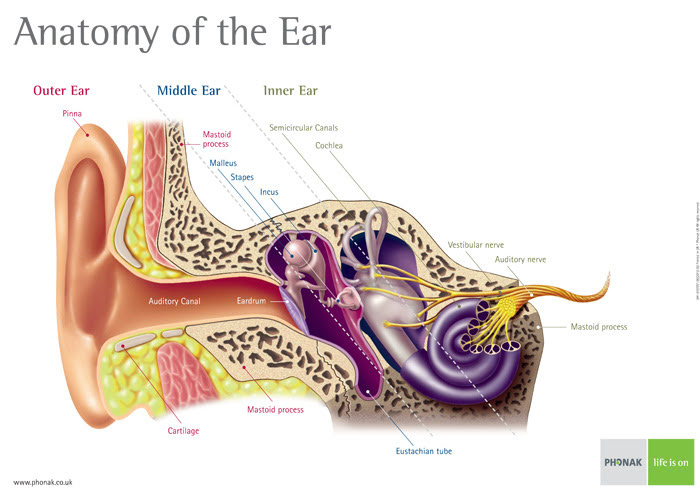
Your cochlea (inner ears) need a good supply of oxygen-rich blood, the Cilla (the famous hair cells) in the cochlea are very fragile nerve endings. Like all nerve endings, if they are starved of a decent oxygen-rich blood supply, they become damaged. Poor cardiovascular health causes problems with the blood flow, and blood vessel trauma to the inner ear. It appears that our inner ears are so sensitive to blood flow problems, that hearing loss in particular at the lower frequencies of hearing may be an early warning sign of cardiovascular disease.

ear anatomy courtesy of Phonak

Large Study

The Study involved a total of 5107 participants born within the years 1946-1964 who were enrolled in the Busselton Healthy Ageing Study. Their hearing was assessed behaviourally through the best ear pure-tone average (500, 1000, 2000, 4000 Hz), low-frequency average (250, 500, 1000 Hz) and high-frequency average (4000, 8000 Hz).

Self-reported hearing loss, tinnitus and hyperacusis were assessed via questionnaire. Cardiovascular risk factors were assessed via a patient-completed questionnaire and objective measurements including blood pressure, body mass index, waist circumference, lipid profile and glycated haemoglobin.

The Findings

The study found that obesity, current smoking, peripheral arterial disease and history of cardiovascular disease were significantly associated with pure-tone, low-frequency and high-frequency hearing loss. Furthermore, high blood pressure, triglyceride and glycated haemoglobin were significantly associated with low-frequency hearing loss. This study has findings in line with earlier studies with smaller groups of people. 

Heart Fit, Hearing Fit?

Another study undertaken in Brigham and Women’s Hospital confirms the link and showed that a higher level of fitness in women seemed to be linked with a lower level of hearing loss. The study was published online in The American Journal of Medicine and its findings stated that a higher level of physical activity is associated with a lower risk of hearing loss in women.

Conversely, the study found that a higher body mass index (BMI) and larger waist circumference are each associated with higher risk of hearing loss. This study, along with many others provide us with significant evidence that bad cardiovascular health damages our hearing. I think it begs the question, will keeping fit protect your hearing? It would also make me wonder, would getting fit and improving cardiovascular health have any impact on an existing hearing loss? 

The Conclusions:  People with cardiovascular problems may be more prone to hearing loss. There seems to be an association between low-frequency hearing loss and numerous cardiovascular events.

There is a huge amount of proof in relation to bad heart health and damage to hearing. It also appears to be the case that the fitter you are as an older adult, the better your hearing is. This evidence may well lead to a better understanding of hearing loss and perhaps even the discovery of different treatments.

Active People, Hear Better?

However, what it tells us right now is that the fitter you are as an older adult, the better it is for you. that isn’t exactly news, but knowing that the thirty-minute walk you should be taking every day might also help you to hear better for longer, might just be the encouragement you need to get off the couch. 

If you like what you see, share it so others can benefit

Another First For Phonak With Lithium-ion Rechargeable BTE Hearing Aids

Phonak have completed another first with the launch of their latest Bolero range based on the Belong platform. They announced yesterday that with the launch of the new range they would be offering a Lithium-ion powered rechargeable Behind The Ear Device. It will be the first of its kind and the first time that Phonak will have a rechargeable BTE. So, what is there to know?

Phonak

Bolero Belong Hearing Devices

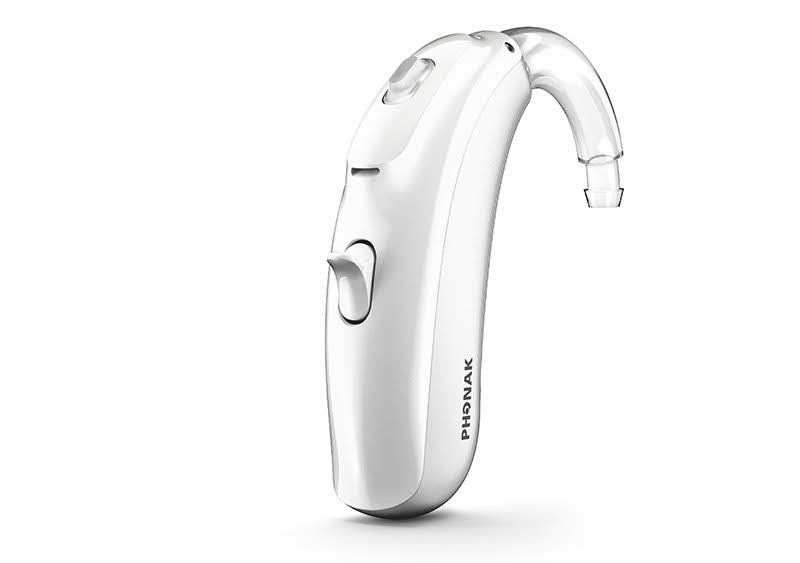
As we said, alongside the launch of the new Bolero Belong platform of BTE hearing aids, they have launched the anticipated lithium-ion rechargeable BTE, the Bolero B-PR. It is the first Lithium-ion rechargeable BTE to the market and the first Phonak BTE hearing aid range with a rechargeable option. They say that it will deliver 24 hours of hearing with one simple charge (expected results when fully charged, and up to 80 minutes of wireless streaming time).

Phonak Bolero Belong P-R Rechargeable behind the ear hearing aid

As with the Audeo rechargeable, I think people will be sceptical of that until they get their hands on them. It is interesting that they went for the P style for their rechargeable option. It is quite a powerful aid and can be expected to be fitted to people with severe hearing loss.

This demands a lot of power, so Phonak must be very confident with the battery technology. The Bolero range, as always, will be a full model line up with four Bolero B models. They will include B-M, B-P, B-SP, and the rechargeable B-PR.  In line with the Audeo, It will run on the new improved AutoSense OS and will come in the usual four levels of technology. There was no word on the availability of the rechargeable device in the 30 level of technology but I would assume that as is the case with the Audeo, it will not be available in the lowest tech level.

What are the key features

  • Rechargeable lithium-ion power cell
  • 24 hours continuous use with up to 5 hours streaming
  • Easy charging
  • Unique OneShell design
  • Probably only available in the 90, 70 and 50 level of tech

It made perfect sense for someone to introduce Litjium-ion powered BTEs and Phonak is the first, however, I don’t think they will be the last. It will be interesting to see what else happens for rechargeable hearing devices in 2017. if you are looking for honest impartial advice on buying hearing aids, our hearing aid buyers guide is a good place to start.

If you like what you see, share it so others can benefit

Sonova Announces New ranges from Unitron & Phonak

In a press release this morning, Sonova has announced a raft of new products from both Unitron and Phonak. They have announced the release of the Unitron Moxi Fit R, the new Unitron Tempus platform, a new rechargeable Bolero BTE device and finally the new Audeo Virto B-Titanium. The press release covered all this and more.

I said a couple of months ago that rechargeable BTEs would be coming soon and it looks like I was right. Phonak is again the first with the release of a Lithium-ion BTE hearing device. The media release said.

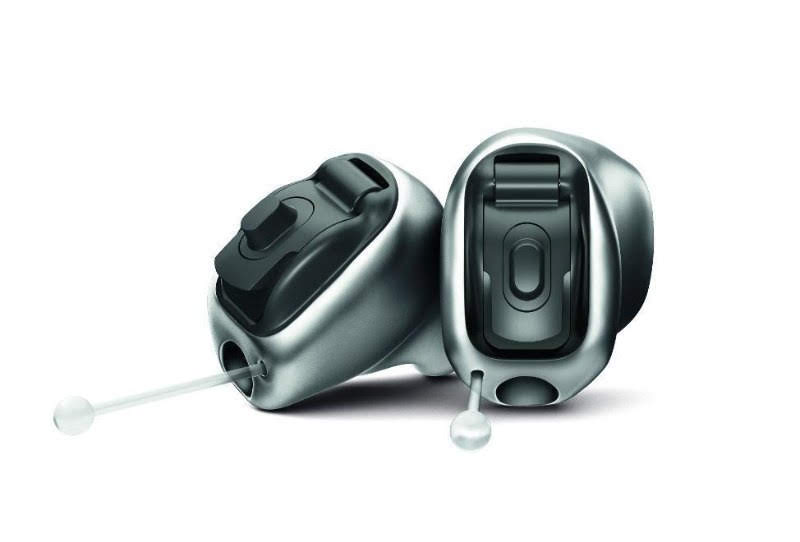
Phonak is also unveiling its smallest custom device it has ever produced ‒ the Virto™ B-Titanium, a tiny custom hearing instrument manufactured from titanium. Unitron introduces its new Tempus™ platform by showcasing the Moxi™ Fit R ‒ the world’s smallest rechargeable hearing instrument in its class. Completing Sonova’s industry-leading rechargeable portfolio is Hansaton, which in December of 2016 launched the AQ™ HD S, its first lithium-ion rechargeable hearing system.

A Rechargeable BTE

They have announced a new rechargeable BTE device they are calling the Bolero P-R. We ould assume the power pack will be Lithium-ion as with the Audeo.

Virto B-Titanium

A Titanium Hearing Aid

The announcement went onto say with Virto B-Titanium the company once again demonstrates its role as a leading technology innovator, combining the benefits of titanium with the latest 3D printing technology to produce the smallest custom instrument in Phonak’s history.

Half as Thin, Very Discreet

Virto B-Titanium is the discreet custom option that’s the ideal solution for first-time hearing aid wearers. Titanium uniquely allows for a shell that’s half as thin as traditional custom shells, resulting in a deep, comfortable fit that sets new standards for discretion. They say that the overall size is reduced significantly, thus increasing invisible-in-the-canal (IIC) fit rate by 64%.

Virto B-Titanium will run on the new AutoSense OS™. This cutting edge industry- only system analyzes sounds every 400 milliseconds and draws upon multiple features, blending them to create over 200 distinct settings to precisely match sound environments as you go.

The Phonak Bolero B-PR and Virto B-Titanium will be available in the U.S. by February 27, 2017, with most countries in Europe following in March.

Unitron Announcement

Unitron & Hansaton Unitron proudly introduces the new Tempus platform, which is more accurate and significantly faster at recognizing and locating the primary source of speech than Unitron’s previous platform. The Tempus platform’s highly-intelligent SoundCore™ technology automatically focuses on the direction the speech is coming from, allowing wearers to more actively engage in conversations.

If you like what you see, share it so others can benefit

Unitron Introduces A Rechargeable Hearing Aid Option With New Tempus Platform

Smallest Rechargeable Hearing Aid

The march of rechargeable hearing aids in 2017 just keeps on keeping on. Unitron has introduced a new rechargeable hearing aid option with the new Tempus platform. In typical Unitron style though, they have done it their own way, not just is it not an integrated option, but it is also backward compatible!

Already have a set of Moxi Fits, just buy the kit and make them rechargeable! It’s typical of Unitron to do something like this, it really is an example of their user focused approach. 

Have a Moxi Fit Already? Make it Rechargeable!

That is exactly what they have done, instead of going for the integrated Lithium-ion system that their sister company (Phonak) is using, they decided to go completely their own way. They have introduced a silver-zinc system that they have designed in partnership with ZPower, beside the other advantages this gives, they have made sure that the rechargeable kit is backward compatible. So users of the Moxi Fit on the North platform can now make their hearing aids rechargeable!

FIND YOUR LOCAL TEMPUS PROVIDER   

FIND YOUR LOCAL TEMPUS PROVIDER   

Unitron Moxi Fit R

The Smallest Ric, Now The Smallest Rechargeable Hearing Aids Ever

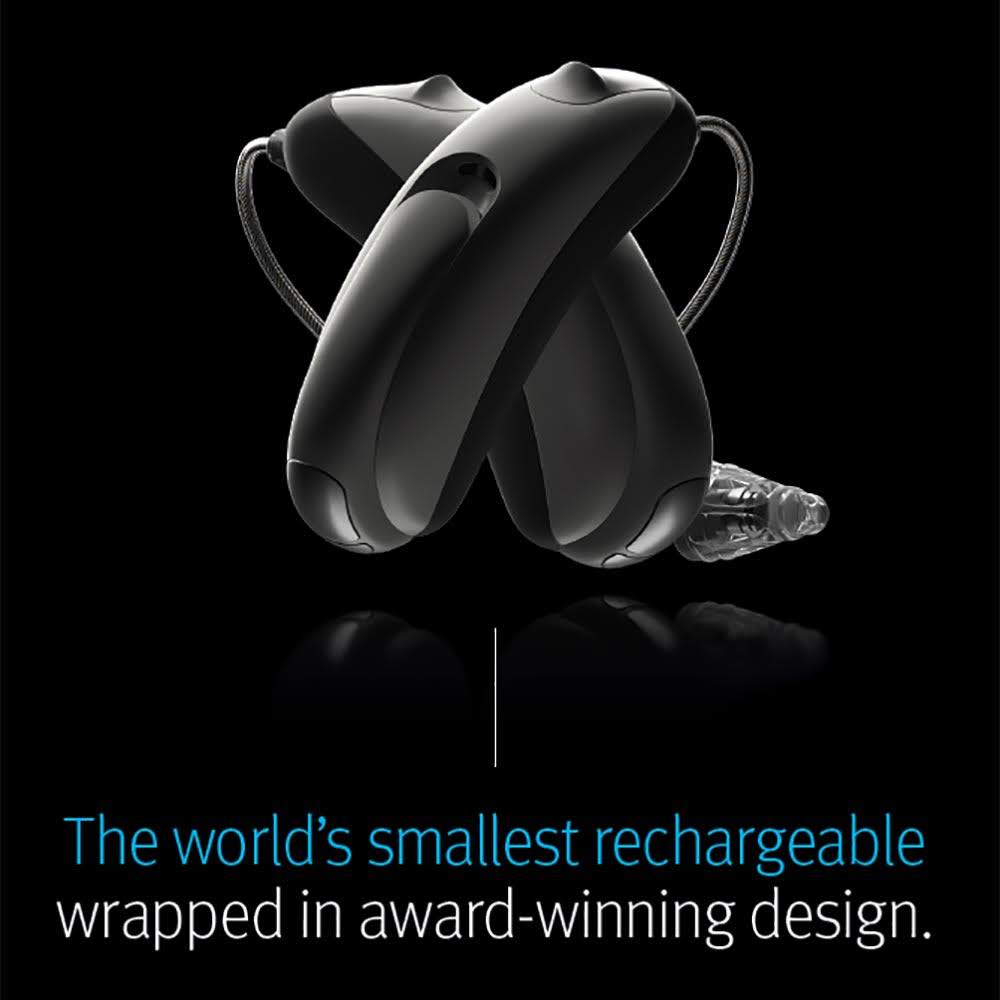
With the introduction of the Moxi Fit R, Unitron now has both the smallest ever RIC hearing aid, the recently introduced Moxi Now, and the smallest ever Rechargeable hearing aid in their line-up. Using the silver-zinc technology gives them real advantages, as I said, it makes the tech backward compatible, it is also very stable and very safe, lastly it has a much smaller footprint than Lithium-ion which means much smaller hearing aids. Not just that, the system is also more forgiving for users, forget to charge your hearing aids and you can just slot in a disposable battery, no harm, no foul. On top of that, the rechargeable option will be available in every technology level. Thats a lot of benefits. 

What The Moxi Fit R Offers:

  • 30 hours of use on one charge (24 hours with streaming)
  • The most stable battery tech
  • Smallest ever rechargeable hearing aid
  • Easy to change to a disposable if you forget to charge
  • Backward compatible to older models
  • Offered in all levels of tech, Pro, 800, 700, 600 and 500 

The Tempus Platform

The devices are being introduced as part of the Tempus platform which upon introduction will be available in the Moxi (RIC) Range and Stride BTE Range only, the custom devices will follow. Unitron have again focused heavily on the simple joy of conversation. Over two thirds of your day is spent connecting with people through conversation, Unitron think that you should be able to do so effortlessly. 

50% MORE ACCURATE THAN EVER BEFORE 

Tempus is 50% more accurate than ever before. Delivering an outstanding experience for all conversations.

Unitron’s  fastest hearing platform yet, delivering seamless changes at the speed of sound so you simply hear better. 

36% FASTER THAN EVER BEFORE 

SEAMLESSLY BLENDING SEVEN SITUATIONS
TO DELIVER BETTER HEARING WITH EASE

Using an infinite mix of seven sound situations, the Tempus delivers what you need to hear better no matter the situation.

It is really interesting to see Unitron go this way for their rechargeable option. They could have easily followed Phonak using the Lithium-ion power pack. However, they have a reputation for going their own way. A reputation they have displayed time and time again with the customer or Patient focused approach that their technology follows. This seems to be just another example of that focus, it seems they thought “why should our existing customers not be able to take advantage of this type of technology?” 

That is typical of Unitron, they ask different questions than others, that’s what drives them. Now that is innovation in an industry of us too!. The range is due to be released soon and I look forward to getting my hands on it. You can find out more about the entire Tempus range by clicking the button below.

Resound Assist, Your Hearing Your Way

Resound Assist, A New Hearing Care Experience

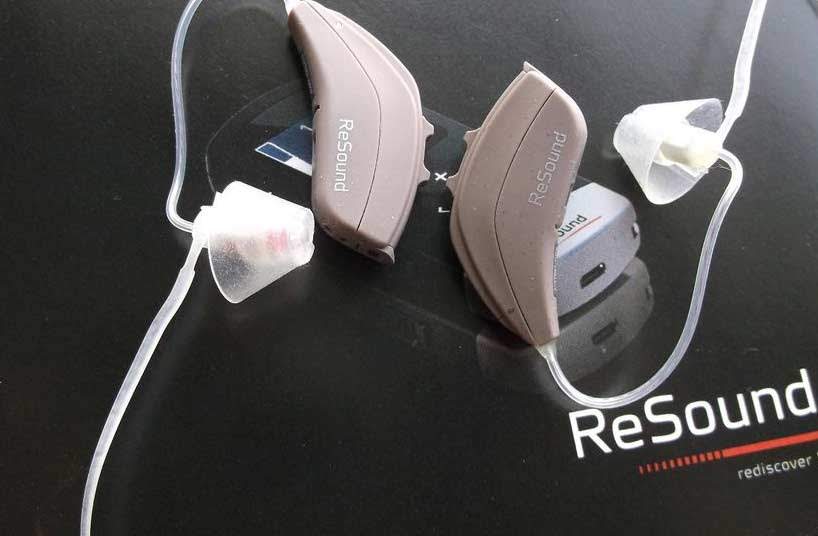
With the launch of their latest range of Smart Hearing Aids, GN Resound have also introduced a brand new way to access hearing care. They call it Resound Assist, and it allows you to access help when you need it, without attending the clinic. ReSound Assist is in the new ReSound Smart 3D app. It works with ReSound LiNX 3D – the first Smart Hearing™ aid with cloud enabled remote assistance.

Help when you need it

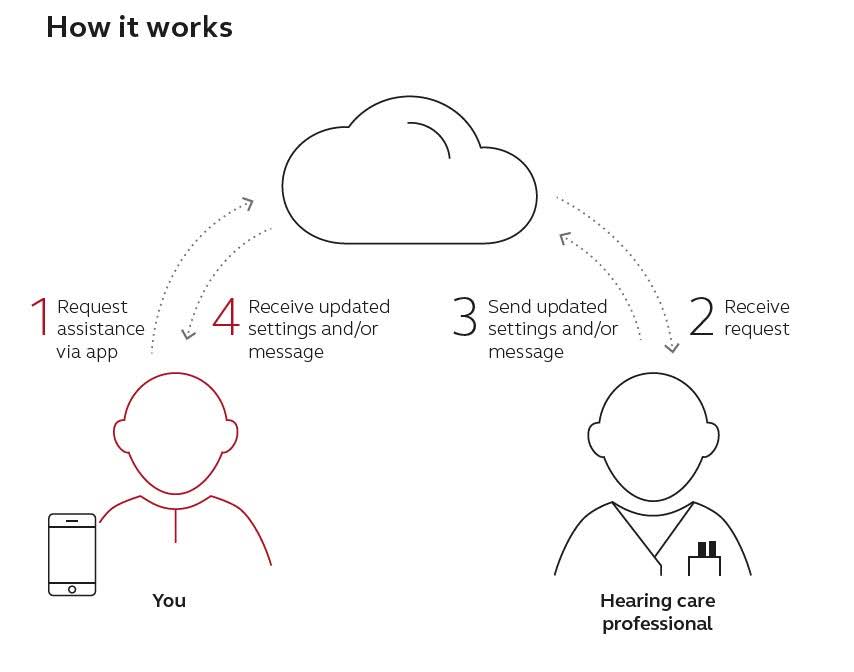
As good as the first fitting of hearing aids is, sometimes the hearing aid settings you like in the clinic perform differently in in the wild. Up to now, that has meant a trip to the clinic for fine tuning. With the introduction of Resound Assist, instead of trying to explain the situation at your next clinic visit, you can ask your hearing care professional for help right from an app on your phone.

Resound Smart 3D™ App

The ReSound Smart 3D™ app gives you more power over your hearing aids than ever before. Allowing you to optimise many of the settings yourself. The idea is to allow you to control your hearing experience. However, if you experience problems that you can’t fix, issues that need additional fine-tuning. Reosund Assist is just a click away and may even save you a visit to the clinic.

While the app delivers power of your hearing aids, Resound Assist delivers freedom to experience hearing care your way.

Updated settings at your fingertips

Your initial experience with your hearing aids is always about simply getting used to them. Once that period is over, we start to think about making the sound right for you. This is normal, the first month or two is just about getting used to amplification, only then can we work on real customised settings. So over time, your sound preferences can and will change.

This new concept puts you in touch with your hearing care professional via a safe and reliable cloud connection. It allows you to get help on your terms. If you don’t want to, or simply can’t, visit the clinic, you can still get the help you need. No matter where you are, if you experience a problem, you can send a request for assistance right to your hearing care provider.

Resound Assist

Request assistance anywhere

If you need improved settings for just one particular listening situation, it can be hard to describe the exact issue. The app is designed to help you work around the understanding gap. It actively helps you to create an accurate description (one your hearing care professional can really understand) so your hearing care professional can make precise adjustments based on that info.

The information that is sent is completely secure and consists of:

  • – A diagnostic assessment
  • – Your description of the issue
  • – An automatic record of your hearing aid settings

Receive updated settings anywhere

The Professional receives your request and all the details, they simply make changes on your settings on their fitting softare and send those settings changes back to you. You get a notification when your hearing care professional sends your new settings. Just place your hearing aids on top of your smartphone, tap install and try them out.

Go Back

Resound have also thought of a Go Back feature. If you don’t like the way the new settings sound, you can always go back to your previous settings.

We think this is a big step forward for users, it delivers freedom. While the app delivers power of your hearing aids, Resound Assist delivers freedom to experience hearing care your way. This feature might not be for everyone, in fact the power of the app might not be for everyone. I think though that for the people who want more control, these advancements will deliver it.

If you like what you see, share it so others can benefit

Experience The LiNX 3D For Yourself, Visit Your Local Hearing Professional

Arrange a consultation with a trusted Independent hearing healthcare professional in your area

Loops, Telecoils and Why You Should Consider Them in Your Next Set of Hearing Aids

Induction Loop Systems have been around since 1937 when Joseph Poliakoff filed for a patent in the UK on an Induction Loop Hearing Assistance System featuring what was then called a telephone coil. Over the years, the telephone coil has been shortened to telecoil or just T Coil. Old it may be, but that doesn’t make it any less a fantastic solution for people with hearing loss. You need a telecoil and if you already have one on your hearing aids, you need it turned on. Let’s talk about why.

An oldie, but a goldie, meet the telecoil

The Telecoil

Telecoil sign

A telecoil is an antenna for picking up transmissions from any induction loop system, it is basically a small coil inside your hearing aids. The coil works as a small receiver which picks up signals from a loop system that acts as an electromagnetic field. Any hearing aid with an activated telecoil can convert these transmissions into a sound signal.

Where Can You Use Your Telecoil System? 

That is the beauty of the telecoil system, almost everywhere that it is a little difficult to hear. The system can be used wherever a loop system is installed. Loop telecoil systems everywhere in the UK and they are becoming more popular in the US, they can be found in:  

  • Churches
  • Concert halls
  • Theatres
  • Universities
  • Government Offices
  • Banks
  • Post Offices
  • Taxis (London and New York City)
  • Airports
  • Museums (for guided tours)

Pick Your Hearing Aid Wisely

When you are choosing hearing aids you should consider a device with a telecoil system. Not all hearing aids have telecoils, so you need to consider it at the beginning. Generally, the smaller the hearing aid, the less of a chance it has a telecoil. So choose carefully, I think it is better to have one and not use it rather than want to use it and not have it. 

Why Does That Matter To You?

Well, it can be set up in such a way that only the signal from the loop system’s microphone is amplified, and background noise is shut out. That means that you can listen to just the transmitted sound, no interference. Ideal for you if you happen to be at church, in a lecture, in any public building like a Government Office or at the Theatre.

Because all of these places tend to be difficult places to hear, but when you are in them, you tend to want to hear well. I mean this is the original wireless radio system, no streamers, no devices hanging around your neck, just clear audio straight into your hearing aids. you would be mad not to make sure you have one. 

The Options For Telecoil Systems

There are basically two options for telecoil systems, they can be set up with just the streamed audio and with your hearing aid microphones turned off. Or, they can be set up with the streamed audio and your hearing aid mics turned on. The second option means that you won’t be cut off from your surroundings. 

This is a pretty good solution for any situation where you might be with a companion, such as a theatre or the cinema. It is also a great solution for the lecture hall so that you may hear questions asked by the crowd. Your professional can also balance the inputs, so he or she can give you less of your microphones and more of the streamed audio.

You need the pleasure of the telecoil in your life, no streamers, no one knows you are using it, just clear audio direct to your ears

It Needs To Be Turned On

If your hearing aid has a telecoil system, your professional will need to activate it as a programme you can access. It is then as simple as you changing the programme when you need to. Honestly, this is pretty cool kit and with the advent of modern induction loop system, it is just getting better. You need the pleasure of the telecoil in your life! No streamers, no one knows you are using it, just crystal clear audio direct to your ears. 

If you like what you see, share it so others can benefit

New Study Says Over The Counter Hearing Aids as Good as Professionally Fitted

But It Might Not Quite As Clear Cut As That

A recent study that has just been published came to the conclusion that Over The Counter Hearing Aid delivery models may be just as good as the normal Audiology delivery method. While the study is an excellent piece of work and is at least the first step in understanding possible OTC delivery, there are some things that need to be pointed out. Firstly, every one of the participants had outstanding audiological work-ups before participation and secondly, every one of the participants was given a high end hearing aid from one of the big hearing aid manufacturers. 

This is an outstanding study that has been well undertaken and I think it is the first building block of a base of study efforts that can show us the benefit of different delivery models. It was the first ever double blind study undertaken in relation to this matter and it showed that the outcomes from the two models of hearing aid delivery were similar. The study was published in the American Journal of Audiology. However, we need to be clear on what occurred and why it is not an exemplar of an OTC model in the wild. 

High End Hearing Aids

Firstly and probably most importantly was the equipment used during the study. The hearing aids were top of the range technology from one of the big hearing aid brands. While this makes sense for the study it isn’t a true representation of the existing OTC market. There is also the question to be asked will it ever be a true representation?

The big hearing aid brands have extensive experience and research and design legacy when it comes to hearing solutions. That legacy has translated into hearing devices that have become ever more sophisticated and efficacious. The hearing aids used were Alera 9s from GN Resound and they have a pretty good reputation as good devices that deliver well for most people.

GN Resound Alera 9 Hearing Aids

They are loaded with both industry wide and manufacturer specific features designed to help users hear in even complex sound situation. The study begs the question would the established hearing aid brands be involved in an OTC Market? If not, the question would be what experience will OTC manufacturers have and will any feature set offered, be similar or on par with the established manufacturers?

Thorough Audiological Work-ups

The participants also had thorough audiological work ups during the trial. These work ups were used during the set-up of the devices. While the OTC cohort chose their own models and had no support, the hearing devices were set to best practice targets based on sound audiological work. Again, this begs several questions, will this be the reality in an OTC market? Will OTC customers have thorough audiological work ups undertaken before choosing a device? Will those devices be fitted to those audiological results?

State of Play

The state of play at the moment is that OTC hearing aids or instant fit hearing aids don’t really exist. In essence there are devices available and they fall within two categories. There are devices available online from Eargo and the likes that are commensurate with hearing aids and can actually be programmed at source to a hearing loss once an audiogram is provided. Then there are devices available online that aren’t programmable and offer and average fitting for a theoretical average hearing loss. How this will change in the future is really anyone’s guess. However, the study undertaken would only be hugely valid to the experience if, and only if, the devices are programmable to a specific hearing loss. 

The Big Brands

Secondary to that, it only makes sense if either the big hearing aid brands became involved with OTC and offered their top of the range devices to consumers directly. Or, the OTC manufacturers involved in this new market offered devices that were commensurate with top of the range hearing aid technology from the big hearing aid brands. So far anything we have seen has not really been the case. 

There are some brands involved right now in lobbying for the OTC regulations, they really irritate me. They play on underlying prejudices to drive their agenda. This idea that the big hearing aid manufacturers have somehow been involved with a conspiracy to keep hearing aid prices high is laughable at best. The idea that their product would also help Americans with mild to moderate hearing loss is also laughable.

The devices are not fit for purpose, they cause occlusion which means they aren’t ideal for long term use. You might not know what that is but stick your fingers in your ears while eating a packet of crisps. Welcome to the occlusion effect, wonderful isn’t it? The battery life on the devices is a couple of hours at most and they are uncomfortable to wear. The lesson is simple, just because you can manipulate sound, doesn’t mean that your device can help people with hearing loss. Sorry, I am ranting.

What’s Available Right Now?

Right now there is a host of hearing devices available online in the US, most if not all are programmable to an audiogram that is submitted. Some of them have the ability for self-fitting and fine tuning. Many are at least comparable to entry level or lower mid-level hearing devices from the big hearing aid brands.

What Will Be Available in The Future?

That is perhaps the final thing we need to consider, what will be available in the future? How will OTC hearing aids be offered, what will they do and what customisation will be involved? The answers are vague at best, no one really knows. I think that this is something that will only become clear when that market begins to mature.

What You Might Need To Consider

If you plan to buy hearing aids online or over the counter in the future, here are things I think you will need to consider.

  • Are they programmable to a hearing loss?
  • Can you make fine tuning adjustments?
  • What is the return policy?
  • What is the repair policy
  • Can you actually manage them without help?

I think this final point is probably one of the most important points, are you tech savvy enough to manage programming and fine tuning if it is available? Will you be able to pick the right tube and tip and manage changing them? As always, we will continually follow up with changes in the market, in relation to this study, it is a fantastic study, exceptionally well done. However, it does not reflect the current market complexion. It is what the authors hoped it would be though, a spur to conversation and hopefully further study on delivery models.  

Study: The Effects of Service-Delivery Model and Purchase Price on Hearing-Aid Outcomes in Older Adults: A Randomized Double-Blind Placebo-Controlled Clinical Trial

You can read a little more about what we think of Over The Counter Hearing Aids at Over The Counter Hearing Aids – Are Over The Counter Hearing Aids The Answer, What Can The Consumer Expect?

If you like what you see, share it so others can benefit