Hear Today, Gone Tomorrow – An Account of Sudden Sensorineural Hearing Loss (SSHL)

Just over a year ago I got back from a night out with friends, sat down on the sofa and lost the hearing in my left ear. It really was as unceremonious as that.

My reaction at the time was very low key and measured. I went to bed. I hoped that my hearing would return by morning and had a little listen to the increasingly high pitched, whooshing and roaring in my ear, that was (as it turned out) to be the new sound of silence. A sudden and significant hearing loss is a medical emergency. It’s important to get emergency treatment as soon as possible and certainly within four days of onset, which is the period in which treatment needs to be started to have the best chance to work. Unfortunately, I didn’t know this and I woke up on a Saturday so was unsure what to do. At the time, I thought that A&E was for people with proper life-threatening emergencies, and my GP surgery was closed so I called 111 and went to see an out-of-hours nurse who confirmed what I knew – that my ear wasn’t blocked and told me to see a doctor in the coming week.

Unfortunately, GP’s aren’t always aware of what to do when a patient presents with a sudden hearing drop, and it took a long time for me to convince a doctor that I really was thoroughly deaf in my left ear and to get a hearing test scheduled. By this point I’d been doing a bit of googling and had diagnosed myself with Sudden Sensorineural Hearing Loss (SSHL) – it can be a dangerous pastime googling health issues, though occasionally it is possible to get it right. I went to a different GP, armed with a damning audiogram and she immediately rang the emergency ENT department and got me started on a two-week course of high dose steroids, which is the standard and only treatment offered in the UK for SSHL. Unfortunately, for me, this treatment was started almost four weeks after I lost my hearing and although I did eventually recover a small amount, the majority had gone for good.

A sudden hearing loss is a lot less common than a gradual deterioration. It usually affects one ear only, though sudden bilateral loss can also occur. Once the deafness has occurred, alongside treatment the next step is to determine the reasons behind the loss which can be caused by a range of issues including Meniere’s disease, autoimmune conditions, acoustic neuroma’s – which are benign brain tumours growing on the hearing nerve – or a virus that causes catastrophic swelling in the inner ear. For me, as my MRI revealed no tumours and Meniere’s was ruled out, my loss would appear to have been caused by a virus, though I still have some rheumatology tests ongoing to ensure that there are no underlying auto-immune conditions present.

The next step was to face the reality that my hearing wasn’t coming back. This was the lowest point for me by far. The process of regaining just a small fraction of my hearing brought with it hope, but also a terrible distortion which literally felt as though loose bolts were clashing and vibrating inside my head. Just the sound of people talking at a normal volume as they passed me on the street seemed excruciating and my left ear would interpret sound as anything from a mild buzzing to a huge reverberation while my good ear tried resolutely to inform me of what was going on.

Being fitted with a hearing aid has helped a lot. I wear an NHS-supplied Oticon Synergy Spirit and do feel that it has made a difference. By the time I was fitted the distortion had thankfully begun to settle and although the clarity of the aid could, I’m sure be better, I noticed a big difference both in my ability to understand what people were saying and in improving the increasing sense of social isolation that I hadn’t fully acknowledged had begun to settle in. I have a love/hate relationship with it of course. For a while, just having to put the aid in, gave me a sense of resentment, and as time has gone on my good ear constantly reminds me of what I have lost while my deaf ear continually prompts me to be glad of what hearing remains. The hearing aid is a useful step in the process of retraining my brain to work with such a sudden deafness. It creates a sense of balance and improves what I understand in the world, however, it also provides me with a sound that is a little distorted from that of my good ear and parsing those two separate interpretations of the same sound continues to take time to get used to.


BSHAA Disciplinary Findings Against UK Online Hearing Aid Sales Directors

Directors of online hearing aid sales company Wholesale Hearing, found to be in breach of BSHAA Code of Practice

An announcement was made by the British Society of Hearing Aid Audiologists today in relation to a disciplinary investigation taken into the directors of an online hearing aid sales company. They were found to have breached the high standards of care expected by members of the society. What does that mean for online sales of hearing aids in the UK? Let’s take a look at the announcement and the wider sphere of online sales of hearing aids.

Wholesale Hearing

In essence, BSHAA has not come out directly against a changing business model, and we don’t necessarily see this a protective act. In fact, the findings of the disciplinary panel are such that they support all forms of innovation in business model once, the customer is delivered the proper care, advice and attention.

The lads involved here were innovative in their approach, they looked at a disruptive model and thought they could deliver it. I applaud them for that, however, and unfortunately, the model doesn’t deliver the care and attention needed or demanded. That doesn’t mean they won’t or can’t come up with a model that does. 

Online Hearing Aid Sales

At Hearing Aid Know, we pretty much hold the same outlook, we don’t think online sales are an issue if they are in fact delivered properly. How that model would work and what it would look like would take some real thought. As a clinical professional I would have to consider carefully how I could be a part of that type of model.

In essence, and I have said it before on these pages, the current hearing solutions are not manufactured with remote sales and aftercare in mind. While that is changing and may well change completely, the ability to deliver to you the best hearing aids while never actually seeing you is just not there.

While Wholesale Hearing had some involvement from Audiologists in the field, that involvement was after the hearing aids were purchased as opposed to before. This is in fact where the problem really lies, how can we give you good advice after the fact?

New Hearing Aid Sales Models

I have no doubt that new hearing aid sales models will appear. That we as a Profession will change and adapt to them. However, for any of us to become involved with them, the professional standards expected from us will have to be met. The announcement is as follows:

BSHAA Code of Practice breached by company directors

A BSHAA investigation and disciplinary hearing has found that two company directors breached the high standards of care set out in the Society’s Code of Practice that all members agree to as a condition of their membership.

Two of Wholesale Hearing Limited’s directors – Chris Stone and Callum Jackson, both HCPC-registered – were members of BSHAA when the company was established in March this year. A third director, who is also HCPC-registered, is not affected by this ruling as he was no longer a BSHAA member when Wholesale Hearing Limited was founded.

Wholesale Hearing Limited enables consumers to purchase hearing aids online without the support of a qualified audiologist for their assessment, prescribing, fitting and aftercare, all essential elements to achieving the full benefits of hearing technology.

BSHAA responded to concerns about the company’s trading practices and promptly begun an investigation. The initial review established that there was a case to be answered under the Code of Practice, and the two members were invited to a disciplinary hearing. Both resigned their membership rather than attend the hearing.  

To help the Society continue providing professional leadership to its members in a fast-changing world, the hearing proceeded in their absence, giving careful consideration to the available evidence. It concluded that their actions constituted a breach of the Code, which would have led to their expulsion had they not pre-empted this by resigning.

BSHAA’s investigation and disciplinary panel found that the business model employed by the directors does not have sufficient safeguards in place to ensure that they:

  • are consistently following the highest standards in the practice and application of hearing aid audiology as expected by BSHAA;
  • have made adequate provisions always to discharge their responsibilities to the client, as set out in BSHAA Code of Practice;
  • have fulfilled their responsibility to the profession of hearing aid audiology, as set out in the Code of Practice;
  • have fully satisfied the expectations of the Advertising Code detailed in the Code of Practice.

The panel also considered that the trading practices risk bringing the profession of audiology into disrepute. BSHAA has now referred its findings to the regulator under the Fitness to Practice review process to determine whether their actions are also in breach of their clinical registration.

Following this review of clinical practice in audiology, and as it seeks to respond to new technology and growing demands, BSHAA has re-emphasised the imperative that practising audiologists should at all times offer professional guidance to their clients which will enable them to:

  • make fully informed decisions about their hearing care needs; 
  • understand the full implications of their choice of purchase;
  • appreciate the importance of seeking professional support to benefit fully from their purchase;
  • recognise the value of rehabilitation and the advantage to be gained from professional aftercare.

BSHAA Chief Executive Prof David Welbourn said: “BSHAA represents the profession of hearing care and is responsible for upholding high standards of practice and customer care in the private sector. Any potential breach of the Code of Practice will always be investigated and if we determine that there is a case to be answered, we will follow our disciplinary process, which is both fair and objective.

“We will always welcome innovation and potential disruption that improves availability of high quality hearing care, but not where this threatens to compromise the safety or clinical effectiveness of the intervention, as we found in this instance.

“High standards of care can be maintained within a business model that supports online sales, provided there is adequate transparency and that clients are given clear, unbiased evidence in relation to potential saving benefits, helpful advice about the important role of consulting a local audiologist, and that a formal professional relationship exists between that audiologist and the sales team, including clear arrangements for ongoing service.”

If you like what you see, share it so others can benefit

Find An Independent Hearing Aid Centre in Your Area

Arrange a consultation with a trusted Independent hearing healthcare professional in your area

My experiences with Oticon’s OpenSound Navigator

Opn, OpenSound Navigator & Noise

I’ve been wearing a pair of Oticon Opn hearing aids for a while now, with great results. One of the key innovations in the Opn range is the OpenSound Navigator technology, this has helped me immensely to hear in noisy environments like restaurants.

OpenSound Navigator at Work


The image below it from Oticon’s website, I wanted to add it in here as it perfectly illustrates how the OpenSound Navigator tech is working for me.

Oticon Opn OpenSound Navigator


I wrote previously about wearing Opn in a noisy restaurant environment, it was difficult to describe how they were working compared to older hearing aids I have worn. With older aids I usually had one of three problems:

  1. Background noise was overpowering and drowned out all the speakers I wanted to hear, all sounds were given more or less equal volume so someone at my able sounded as loud as someone two tables down. 
  2. Everything was too quiet, including people I wanted to hear. This is opposite to #1, a too aggressive noise reduction resulted in me struggling to hear anyone.
  3. A narrow directionality on my hearing aids meant I could hear someone directly in front of me, but no-one else (as well). 

So how does the Oticon Opn feel different?

Up till now, modern hearing aids have used a directionality method of trying to pinpoint who you want to listen to in a noisy place, you could have your hearing aids set to focus straight in front of you or you could widen that focus a bit to encompass more sounds, but it was really about narrowing the areas down you wanted to hear from and blocking out noise from elsewhere. 

Tired of Listening to Bla? We Got You Covered

Tired of the blah
hearing aid buying guide

Our buying guide, no Bla, just clear easy to understand info, we guarantee it will help you pick the right hearing aid for you.

360-Degree Sound

The OpenSound Navigator approach is to use real-time analysis of the environment from a 360-degree perspective and to pinpoint voices of interest within that. So it is less about narrowing the focus of your listening to just people in front of you but to instead make smart decisions based on where the voices are.

I added the picture in above because it is a perfect example of how I am hearing right now. The three people in the group are in front and to each side of the listener but all of their voices will come through clearly. 

A thing I noticed in the restaurants that background noise has real clarity but is not overpowering and it doesn’t get in the way of the conversation I want to hear. The circular sound waves in the picture are again a good visual description. My experience is that the voices and noises close to me (i.e. sat at my table in the restaurant) have the emphasis, those further afield have less emphasis (the 2nd wave in the picture) and those further out have less emphasis still (the 3rd wave in the picture). So it feels like the Opns are taking a 360-degree soundscape and delivering it based on distance from me, rather than the direction the sound comes from.

Inside The Bubble

I described it to someone the other day as kind of like being inside a bubble where the bubble is around the table I am sat at and it shields me from a lot of noise from outside it.

OpenSound Navigator has not let me down so far, it is delivering a good quality of sound in all environments I have tried it in. It is new, it is different and it works.
 

If you like what you see, share it so others can benefit

Is Remote Fitting of Hearing Aids The Future?

Will Your Next Hearing Care Visit Be A Remote Affair?

Triton Hearing a New Zealand based company announced in April that it would be providing hearing aid services to rural communities in New Zealand via remote tele-health systems. They will test the hearing of customer, recommend and provide hearing aids via the internet using a local nurse and remote audiologist.

Triton Hearing

Triton Hearing have built the system from the ground up in order that they can offer their services to remote communities across New Zealand. The system is in place and working well and they have spoken about expanding the system globally.

Tele-health Coming To You Soon

Tele-health in audiology has been around for a long time. It is usually used though in delivery of public as opposed to private services. For instance, the VA in the states has been undertaking trials using tele-health to deliver hearing aid follow ups to remote Veterans. This is the first time that tele-health has been used in a commercial operation and for the process from start to end. 

You can see from the video that the system works very well. They are huge possible benefits to this approach. It can mean that audiology services can be provided to remote communities almost on demand. The future possibilities are only really limited by the imagination. Audiologists in New York providing services in remote Wyoming. Audiologists in New Zealand providing service in New York State.

Do You Want It?

The question is, do you want it? Other questions are, what will it do to cost of services? Will hearing aids be cheaper because of the different delivery model? Will they be more expensive? I think as the model progresses we will begin to answer those questions. Back again to do you want it?

From the video it appears that the personal touch is still very much a part of this type of delivery. Patients will still be involved in a traditional relationship with their Audiologist, just in a non traditional manner. That may not be a bad thing. It is just a change in process really. You will still attend a clinic, your Audiologist just won’t be physically present.

At the moment there is still a high cost to setting up this service. For instance, the equipment used is costly. Not just that, there is training that needs to be undertaken for the nurse or assistant that is physically present. This may all change though, we are already seeing remote fine tuning appearing in the hearing aid world. Remote fitting is possible but a bit arduous with the current technology. Again though, that will probably change, solutions will become cheaper or perhaps fitting interfaces will start to piggy back simple Bluetooth protocols on computers rather than through special fitting interfaces.

Testing Your Hearing & Fitting Hearing Aids Remotely

As the technology becomes available to test and fit somebody in a truly remote manner, will you the public want it? There may come a time when you contact a hearing healthcare provider for a test. They set up an appointment with you online and that appointment takes place via a teleconference on your computer. Your hearing is tested and hearing aids are recommended.

You choose them, they are delivered and another teleconference occurs for the fitting appointment. And so on and so on. It certainly would be a change from the current model of delivery. It certainly may mean cost reductions for provision of service. It would lead to the loss of the human touch and it probably would not be a service that would be suitable for everyone. It would be interesting to get your thoughts on it though. 

If you like what you see, share it so others can benefit

Find An Independent Hearing Aid Centre in Your Area

Arrange a consultation with a trusted Independent hearing healthcare professional in your area

New No Wax Ear Wax Removal Specialists in Essex

We have a new addition to to the No Wax network, Click hearing are the new No Wax Ear Wax Removal Specialists in Essex

Ben Mann is the founder and owner of Click Hearing who have three hearing aid centres across Essex. Ben and his team provide hearing care services including ear wax removal in Upminister, Chelmsford and Ramsden Heath in Essex. Their network of centres means that they are within easy reach of most of Essex and even east London.

Microsuction Ear wax Removal Essex

Ear wax Removal

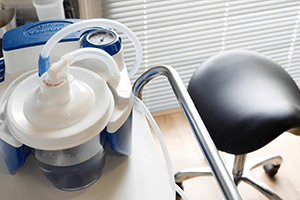
They offer instant micro suction ear wax removal. Microsuction is probably one of the safest methods of ear cleaning, there are no liquids involved, therefore there is no mess and little fuss.

It can usually be done the day that you are seen with no need for prior preperation, however, occassionally, it might need two sessions depending on the hardness and age of the ear wax. 

Price: £60.00

If you need ear wax removal in Essex, these people may be a good place to start

If you like what you see, share it so others can benefit

Find An Independent Hearing Aid Centre in Your Area

Arrange a consultation with a trusted Independent hearing healthcare professional in your area

Video Tutorials For The Resound Smart 3D App

Release The Power of Your LiNX 3D Hearing Aids

The Smart 3D app can help you release the full power of your LiNX 3D hearing aids. However, if you aren’t familiar with the app and its power, how do you know what you are missing? Well, Resound have helped to solve the problem with video tutorials outlining just what you can do with the Smart 3D app and exactly how to do it. The videos are in a YouTube playlist and they are worth watching if you own a set of LiNX 3D hearing aids.

What You Need To Know

The video tutorials cover everything from pairing your hearing aids to an Apple device all the way through getting the best from your hearing aids to getting remote assistance. You can see the playlist on the video below and it is available on Resound’s Youtube Channel.

If you like what you see, share it so others can benefit

Find An Independent Hearing Aid Centre in Your Area

Arrange a consultation with a trusted Independent hearing healthcare professional in your area

Everything’s Connected: The IoT and Your Hearing

In this departure from the norm, we have guest author Dr. Tish Ramirez, the Sr. Manager of Education and Training for Signia giving us her views on the intertwining of technology in general and how its effects will help you in your search for better hearing. Go on, tell the truth, you are just glad it isn’t me prattling on again. I now hand you over to the good lady herself. 

In our modern, digital lives, so many of the technologies we use each day are now intertwined. This network of connected devices is known as the Internet of Things, or IoT, and has changed the way we do even the most basic of tasks.

Just think about how you can turn on the lights in your home from your smartphone on way back from work. Your car can alert you to traffic and tell you the fastest way to get around. Your own bed can analyze your sleeping patterns to help you get a better night’s rest. If you have hearing loss, the IoT can even transform how you hear. 

Hearing aids have evolved considerably over the years to become more advanced and better connected. No longer limited to just sitting in your ears and amplifying sound, they now leverage the IoT to connect to the larger world around you. As a result, you benefit from greater convenience and improved hearing care every day.

Enhanced listening in all situations

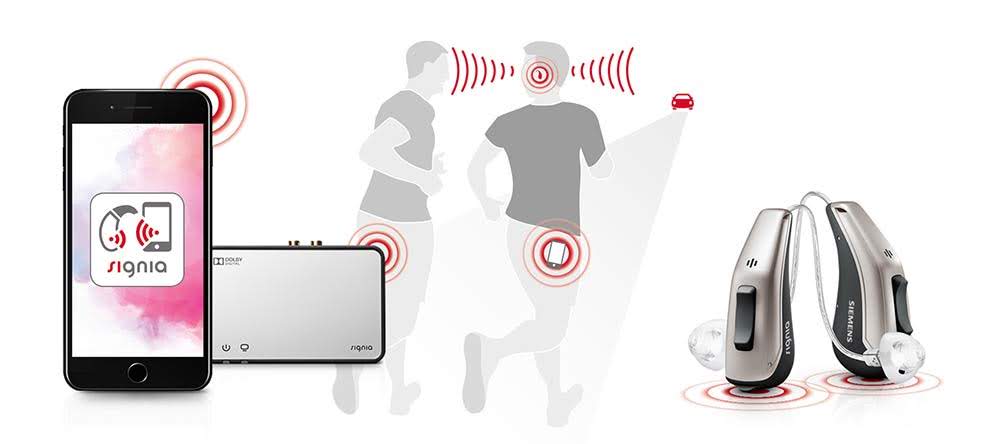
Today’s hearing aids allow you to not only hear better, but also enjoy a truly optimal listening experience, no matter what you want to hear. This includes even the most common daily activities, like listening to music, watching TV, and talking on the phone. When connected to a smartphone, ringtones and alerts stream directly to both ears, ensuring you can hear notifications even if your phone isn’t close by.

Pure 13 BT Connectivity

This functionality also works during voice calls, enabling you to hear the other person through your hearing aids and making sure you don’t miss out on important conversations. Pairing hearing aids with a smartphone provide a better way to listen to music as well by streaming your favorite songs directly into both of your hearing aids.

Instead of straining to hear music or having to crank up the volume from another device, you can listen whenever and wherever you want at a comfortable decibel level for a truly personalized, enjoyable experience. New hearing aid technology also enables you to stream audio from the TV directly into both ears. You can adjust the volume from the smartphone app, rather than on the TV, for yet another fully customizable approach to everyday activities.

Hearing care anytime and anywhere

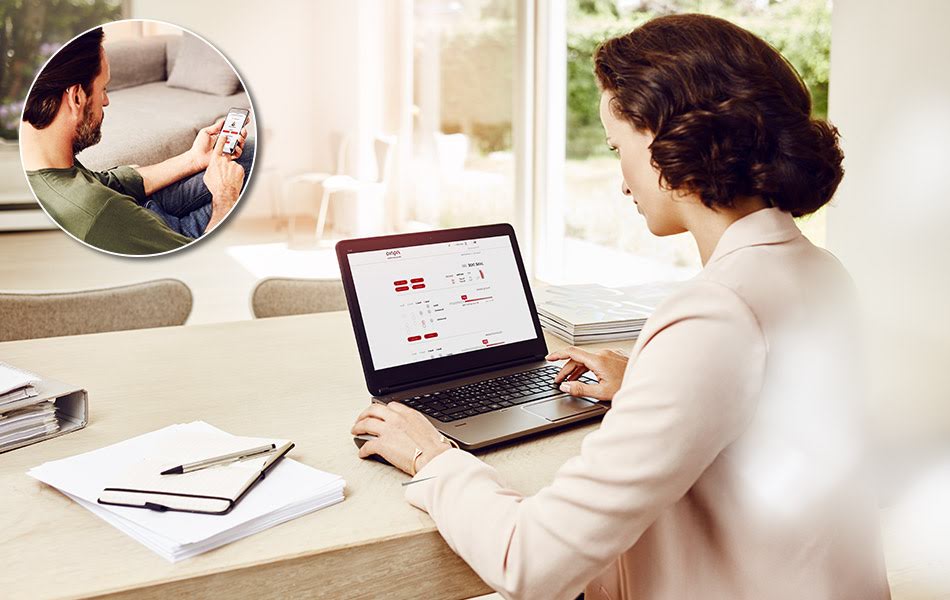
The IoT has revolutionized how you connect to your hearing care professional (HCP) with the introduction of telehealth services. Through this technology, you can interact with your HCP via messaging or video chat from your smartphone. This is particularly useful for people who live in remote areas, lack transportation, or otherwise have difficulty getting to their HCP’s office. 

Signia tele-care

Beyond convenience, such technology has a positive impact on adoption and use of hearing aids – especially if you’re a first-time wearer. The initial days and weeks with new hearing aids are critical. Any dissatisfaction or discomfort can lead to abandonment of the devices. However, when you can let your HCP know that something isn’t right as soon as possible, the HCP can provide immediate service and even adjust the hearing aids remotely. With real-time, remote fine-tuning, HCPs can ensure you are satisfied from the beginning, setting you up for continued success with your hearing aids.

Greater flexibility and discretion

Throughout the course of the day, you may need to adjust the volume or change the settings of your hearing aids. Traditionally, this required you to adjust the hearing aids manually to get them to the proper setting or using a separate remote control. With the latest in connected technology, such adjustments can be done directly from your own smartphone while eliminating the need for another device. 

The benefits are numerous. For one, it provides you with a discreet way to manage your hearing. Rather than excusing yourself from a situation or waiting for an appropriate time to adjust your hearing aids, you can make the needed adjustments whenever and wherever it is most convenient. In addition to improved flexibility and privacy, connecting hearing aids to smartphones enable you to adjust the settings for every situation throughout the day, empowering you to take hearing health into your own hands.

Connected Technology in Your Ears

The age of the IoT has introduced new ways to connect with the world around us. It has enabled our smartphones to become miniature control centers in the palms of our hands, managing so many of our other devices, including hearing aids. Coupled with advanced, connected technology, those with hearing loss won’t be left behind in a rapidly changing world.

If you like what you see, share it so others can benefit

Your brain helps you to hear by filling in the gaps, without you realising it.

You are propping up the bar of your local on a Friday night, the place is packed and the DJ is blasting the tunes out, it’s noisy as hell. Even so, you find it pretty easy to have a conversation with your friends. Your ears are getting assualted from all angles but your brain does a remarkably good job of filtering all that out and focusing on your friends’ voices. 

This ability to draw out and understand sounds (especially voices) from unwanted noise is known as The Cocktail Party Effect and was first discovered by Colin Cherry in 1953. Cherry conducted attention experiments in which participants listened to two different messages from a single loudspeaker at the same time and tried to separate them. His work revealed that the ability to separate sounds from background noise is affected by many things, such as the sex of the speaker, the direction from which the sound is coming, the pitch, and the rate of speech.

More recently scientists have been studying deeper in to the Cocktail Party Effect and discovered that it is not actually our ears that are doing the work of distinguishing voices from background noise, but it is our brains that are filling in the gaps of what we don’t hear so that it still makese sense to us. The brain performs Phonemic Restoration, in that it realises part of a word is missing from the sounds you heard and predicts what the missing sound is and fills it in for you. During studies, it has been shown that people do not even realise that thay have not heard a sound and that their brain filled it in for them – their brain activity it exactly the same if they really heard the noise versus when it was filled in for them.

Which is pretty damn cool and useful for listening to Ted telling that story (AGAIN!) about the time he spent a weekend in Vegas, met a group of Czech volleyball players and came home with a Chewbacca tattoo on his leg. Ted tells this every time he’s had a few beers.

The bad news is that those of us that have a hearing loss are not as good at filling in the gaps. During tests people with mild hearing loss performed as good as those with normal hearing but those with a moderate (or worse) loss were not able to correctly fill in any of the gaps.

If you like what you see, share it so others can benefit

Oticon Expands Opn Hearing Aid Range and Goes Rechargeable

Oticon just released two New Opn Styles, Power Options and Tinnitus SoundSupport™ But they didn’t stop there, they also released a rechargeable MiniRITE. In fact like Unitron before them, the system is backward compatible. So if you have Oticon Opn MiniRITEs, you can now upgrade them to rechargeable hearing aids.

Oticon Opn rechargeable hearing aids

Oticon is expanding the award-winning Oticon Opn™ range with new styles and a rechargeable hearing aid option. The original Oticon Opn™ miniRITE hearing aids will now be available as a rechargeable hearing solution. In the same way Unitron has made their rechargeable option backward compatible, all Oticon Opn miniRITE hearing aids sold since the introduction last year and going forward can be retrofitted to be rechargeable.

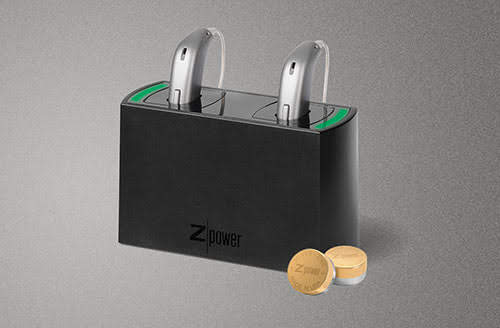
All-day Power With the easy-to-use charger, Opn miniRITE can now be powered throughout the day by simply placing the hearing aids in the charger overnight. The rechargeable solution give users maximum flexibility to interchange the rechargeable 312 batteries with disposable batteries if the user forgets to recharge the hearing aids overnight. It is estimated that one pair of environmentally friendly rechargeable batteries can save approximately 150-200 disposable batteries per year. 

Expanding The Hearing Aid Types

Oticon is expanding the Opn family with the introduction of two new Opn styles. It has also announced that it is integrating Tinnitus SoundSupport™ and Speech Rescue™ LX into all Opn styles and performance levels. The new small, discreet miniRITE-T and the powerful BTE 13 PP give people with mild to severe-to-profound hearing loss access to Opn’s revolutionary open sound experience. Even more benefits are available to Opn users with the addition of two proven features, Tinnitus SoundSupport™ and Speech Rescue™ LX. The newly added features offer customizable relief sounds for tinnitus suffers and improved clarity and speech understanding for people with high frequency hearing loss.

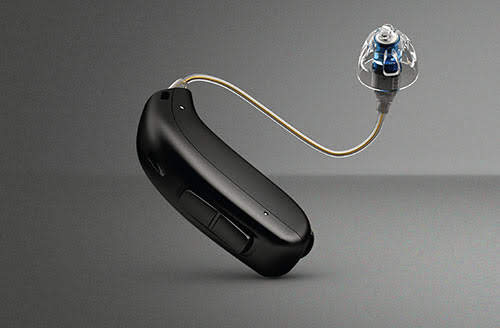
Oticon Opn Mini RITE-t

More Styles to Fit More People

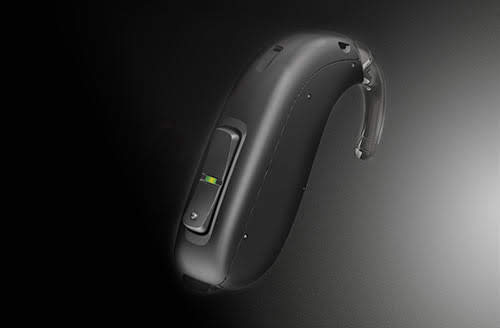
The sleek and discreet miniRITE-T (which you can see above) features a telecoil and double pushbutton for easy volume and program control. The powerful and compact BTE13 PP (see below) fits hearing losses up to 105 dB SPL to benefit people with severe-to-profound hearing loss. The plus power solution features a telecoil, a tactile double pushbutton for easy volume and program control and a two-color LED indicator to monitor hearing aid status for both users and caregivers.

Oticon Opn BTE 13-PP

The fully featured hearing aids include Tinnitus SoundSupport, Speech Rescue LX, DSL, and TwinLink™ with 2.4GHz wireless technology for direct streaming to iPhone® and audio devices.*

Tinnitus Relief Sounds

Oticon Opn now combines the BrainHearing™ benefits of a balanced and rich sound experience that doesn’t overload the brain and a powerful solution for tinnitus relief.  Tinnitus SoundSupport™ allows hearing care professionals to address the needs of people who experience both hearing loss and tinnitus with a wide range of customizable relief sounds including broadband and ocean-like sounds. The Oticon ON App gives users the flexibility to easily adjust relief sounds to meet their individual needs and preferences with just the tap of a finger.

High-Frequency Audibility

Speech Rescue LX works together with OpenSound Navigator™ and Speech Guard LX t to improve clarity and speech understanding for people with high frequency hearing loss. The three-step “copy and keep” methodology rescues speech cues that might otherwise be lost and brings them back into the audible frequency range. Speech Rescue LX then transmits the temporal cues of high-frequency speech and, at the same time, “protects” lower frequency speech sounds to achieve frequency lowering with minimal distortion.

Updated Firmware For The hearing Aids

A new firmware package with the newest features, including Speech Rescue and Tinnitus SoundSupport, will be made available through the Oticon Firmware Updater in Genie 2 software. The newest firmware package enables your hearing care professional to continue to add improved and new features, as they become available, to Oticon Opn hearing aids regardless of style or performance level.

If you like what you see, share it so others can benefit

Find An Independent Hearing Aid Centre in Your Area

Arrange a consultation with a trusted Independent hearing healthcare professional in your area

Independent Hearing Aid Centres in The Uk and Ireland

Launching A New Network of Hearing Aid Centres

Hearing Aid Know was set up to be a place where consumers could read clear and honest advice on hearing aids and the people that provide them. Recently, we realised that we were failing you somewhat. While we were constantly writing about the latest hearing aid technology or the latest news in hearing loss research, we weren’t really filling you in on hearing aid providers you can trust. So, we have decided to change that, at least for the UK and Ireland to start.

Introducing The Find A Hearing Aid Centre Pages

So, what we are doing is building a network of trusted Independent hearing healthcare providers and detailing who they are on the pages of Know. At the moment, the best place to start finding a hearing aid centre near you is by going to our Hearing Providers Page and working forward from there. It splits out to a hearing aid centres Ireland, hearing aid centres England, hearing aid centres Scotland and a very small hearing aid centres USApage.

Yorkshire Hearing Centre

Each page further splits out to areas which briefly detail the hearing aid clinics in that area which we trust. For instance this page details Hearing Aid Centres in Devon. Each clinic will also have its own profile page detailing what they offer and who they are This is the one for a hearing aid centre in Hull. We are committed to ensuring that the only providers that appear on Hearing Aid Know are hearing aid clinics that we trust to deliver the care and attention you deserve.

Our background in the industry gives us familiarity with the people involved. Generally if we don’t know them personally, we know someone who will. We would also welcome input from the people who use these hearing aid centres. We will take it into account and even publish it if it makes sense.

We will soon be publishing a mapping page, which will allow you to view hearing aid centres in the network and their locations. You can simply put your location in and the system will narrow down the Providers to that area. When we publish the page, I will let you know.

Our Promise To Consumers

Our mission here on Hearing Aid Know is to offer the very best advice on hearing aids and the people who provide them. Our focus is on honest advice that you can trust. With this in mind, we will not detail a hearing aid provider that we do not trust to provide you with the latest hearing aids and care you need to succeed.

We take our responsibility to offering good independent advice seriously and we plan to stand by the promise that we have made. The Profiles will allow you to read about the hearing aid centres and contact them directly. In fact, we would prefer that to happen, it makes it easier for everyone. We will also be adding online forms to each profile which again will send details direct to the hearing aid centre in order that you can contact them online easily.

Trusted Independent Source of Information

We want to become a trusted Independent source of advice, as I said, I think we have done that for hearing aid advice. Now we would like to set our sites firmly on the people that provide them.

If you like what you see, share it so others can benefit