Oticon UK Launch Event Live

We will be live from the latest Oticon launch event in Bristol tomorrow morning, so if you are interested to see what they have up their sleeves, keep watching this page. We will update it as the day goes on. 

The event is being held in the beautiful Clevedon hall outside Bristol and is pretty well attended with Dispensers from the UK and Ireland. 
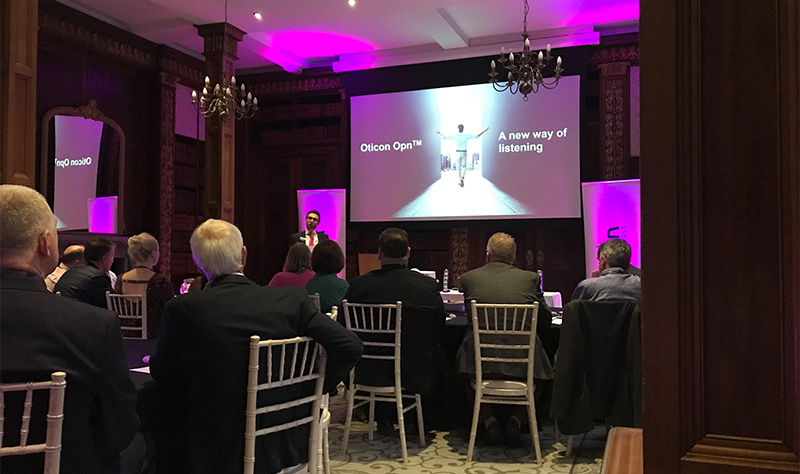
Welcome

New Oticon Connect Clip

They have just introduced the Oticon Connect Clip, it will allow a Bluetooth connection to almost any device, not just any phone. The device can be connected to any laptop or computer to allow easy audio streaming to the Opn. There is also a small Bluetooth dongle that can be used for outstanding audio streaming. Although, the Connect Clip can be used with just the standard Bluetooth connection on the computer. It will also act as a remote microphone. 
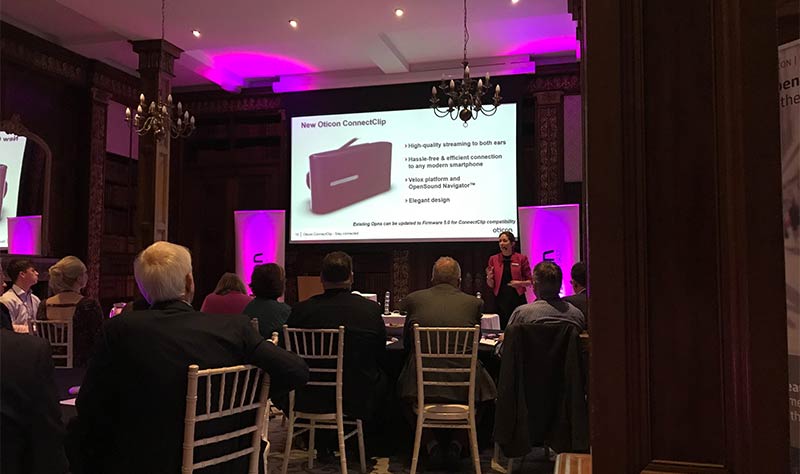
Oticon connect clip

Rechargeable MiniRITE to be introduced to the UK

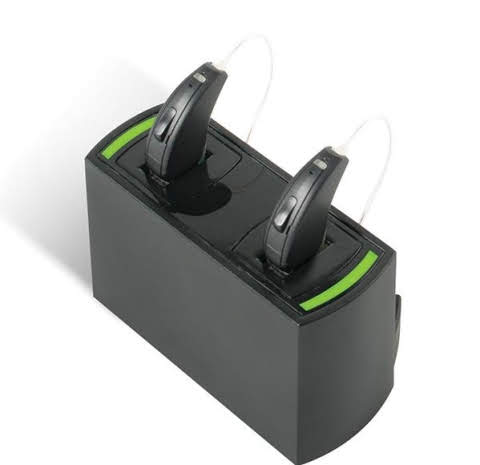
The rechargeable version of the Opn MiniRITE will now be available in the UK, the system uses the ZPower concept which means plenty of power for streaming and easy change of batteries if you forget to charge them. The rechargeable option is a real crowd pleaser, many users love the idea. The Z Power system is pretty solid and a lot of the hearing aid brands have adopted it because of it’s versatility. The new battery door for the rechargeable option doesn’t add much bulk to the device and when closed it basically looks like a 2 or 3 mm flate plate at the bottom of the door. 
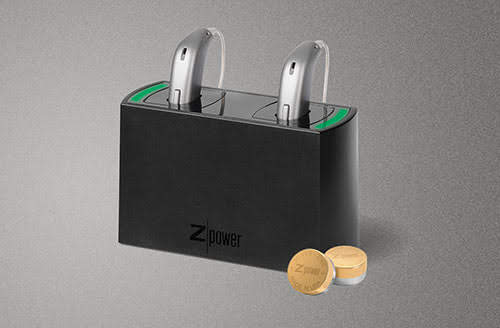
Oticon rechargeable Opn

News from ongoing studies

Alison from Oticon is introducing new data from ongoing studies with the Opn platform. 

Oticon studies introduced

In essence, the studies showed that the ability of someone to cognitively focus on one speech signal over another becomes especially difficult with hearing loss. To do so means that a lot of cognitive effort and energy is used. The study used pupillometry which can measure cognitive effort to look at the difference with and without Opn. 

The first study was to investigate the ability to hear speech in noise and to ascertain the effort needed. So they were measured on speech understanding and cognitive effort. Speech understanding figures with the Opn navigator jumped dramatically for noisy situations. One particularly interesting point was that in a -4 dB SNR (signal to Noise Ratio) situation, average restaurant maybe, was hugely improved. The words understood jumped from about 20% to 75%.

The cognitive function tests showed that cognitive effort was dramatically reduced across all sound situations. The one situation that is surprising is that there was even a reduction in cognitive effort in quiet situations. In essence, this study shows pretty good speech understanding and a lot less effort to get it. Which means that more cognitive effort can be used for something else like remembering stuff. 

The second study concentrated on multiple speaker situations. The study assessed traditional directionality, narrow directionality and the Opn Sound Navigator. The test involved the subject speaking with three people facing them. Behind the subject was a noise source and arrayed around the group was speech babble sources. Opn Sound Navigator delivered the best in the study overall, but it depended on the position of the speaker. 

If the person was to the front, both Opn and narrow directionality were similar in effect, the real difference was when the speakers were to either side. Opn delivered outstanding results for the understanding of those above the two other systems. A lot of the study data basically backed up both the experiences of Steve and myself. We both feel that we have a kind of different access to speech when we wear the Opn devices. 

Apart from the Connect clip and the new study evidence, the rechargeables aren’t exactly brand new. They were released in the US a couple of months ago but this will be the first time that they are available in the UK. 
If you like what you see, share it so others can benefit

Faultless audio on iPad and iPhone with Oticon’s Opn

Oticon’s Opn are Made for iPhone hearing aids, which means they work seamlessly with Apple’s devices.


It takes about 30 seconds to connect and pair the hearing aids with an Apple device, from then on you can control them through the Apple Settings screen, you can change volume, programmes or switch them on/off through the same settings menus as if you were changing your WiFi settings, wallpaper or other standard Apple stuff. 

Oticon has worked with Apple to integrate the Opn such that they feel just like a part of the phone, rather than something external you’ve connected. 

Easy Set Up

To connect the aids to my iPad I opened the iPad’s Settings App, clicked into the Accessibility option, then clicked the Hearing Devices option. On this screen, the iPad immediately starts scanning for hearing aids it can connect to via Bluetooth. For two devices to connect to each other they need to both be in “pairing mode”, to get your Opn in pairing mode, open the battery door and then close it again, when it is first turned on the Opn is in pairing mode for a short while. The iPad pops up a “do you want to pair this device” message for each aid, say yes and you are done.

I was going to post some screenshots on here showing the steps for connecting the aids to the iPad but to be honest, it was so easy I didn’t see the point in adding pictures, it’s like falling off a bike, anyone can do it.

Just Works, No Faffing

Once that set up is done it “just works” – play some audio on the iPad through YouTube, Netflix or whatever and it plays through your hearing aids, get a phone call on your iPhone and it plays through your aids, as I said before, it just feels like a part of the Apple device, just another audio output, it is seamless.

The audio you get through your hearing aids is as you would expect from a Bluetooth device: smooth with no interference or delays, voices sound crisp and very easy to understand, I’m able to pick up the different accents of actors in a show. There is a good range, bass-heavy music sounds deep and vibrant but not distorted or over-powering, I tested the Opn out with an old favourite of mine.

Confused About The Right Hearing Aid For You? 

Confused about hearing aids?
hearing aid buying guide

Our buying guide, easing the confusion with clear easy to understand info, we guarantee it will help you pick the right hearing aid for you.

Another very important thing, nothing sounds too loud, low pitch and high pitch sounds are never unbalanced. If I’m watching, for example, a comedy show, the audio for the speaking parts is at a good volume and if there’s some laughter from the crowd it is also at a good volume, there is never any sounds that are too loud. This is a big thing, as people with hearing loss often also suffer from hyperacusis (being sensitive to certain sound frequencies and finding them overpowering and even painful) – but that was not a problem at all with the Oticon, everything was at just the right level.

When connected via Bluetooth you are still able to hear everything around you, the hearing aids balance the streaming audio with environmental sounds, so it is safe to listen to music whilst out and about as you will still be able to hear traffic and whatever else around you. This balance feels very natural, the noise around you fades into the background just enough for the streaming audio to be your main focus but it is still there when you need to hear it.

I didn’t used to think I was bothered about Bluetooth connectivity in my hearing aids but I realise now that was just because I didn’t know what I was missing. Connecting to my phone, iPad and other devices gives me access to TV shows without needing subtitles, makes phone calls a breeze and makes listening to music a pleasure.

Questions about hearing aids in Ireland?

Irish Questions about Hearing Aids

Today’s article has an Irish connection, I quite often get asked several questions about funding and availability of hearing aids in Ireland. Basically, they are the same questions again and again, so I thought to myself, you should write an article about that, so I did, and here it is. 

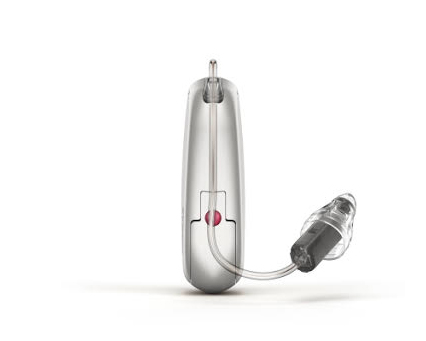
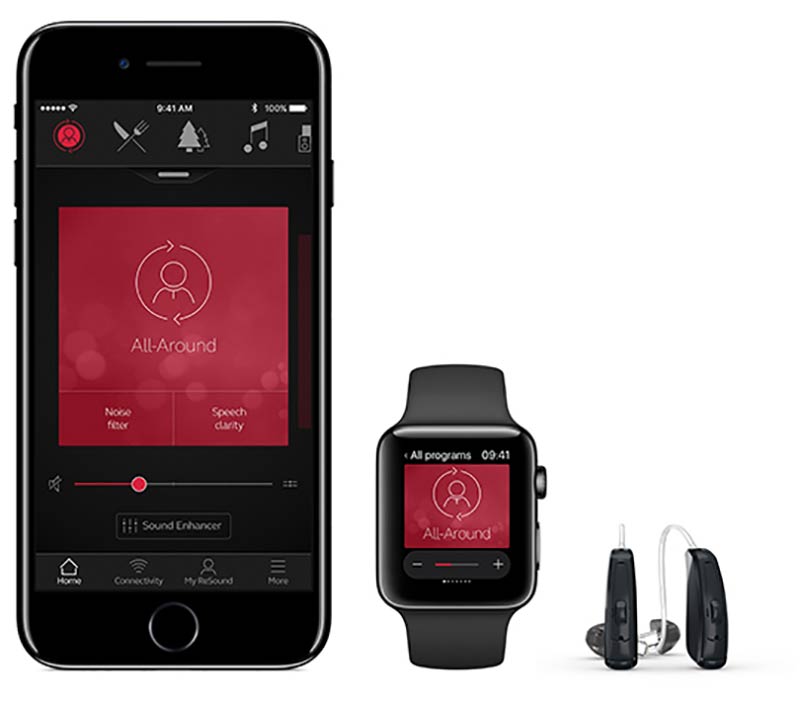
Resound LiNX 3D Rechargeable hearing aids

Are Hearing Aids Covered by VHI?

Unfortunately no, they are not, however, many of the health insurers will make a contribution towards a hearing test if your plan covers it.

Are Hearing Aids Tax Deductible in Ireland?

Yes, they are, you can claim for the cost of hearing aids on your Med 1 and you will receive tax relief on the price you paid for your hearing aids. If you have been able to avail of the government grant towards your hearing aids, you can claim against the balance that you paid. I believe that the rate of tax relief is 20%, however, I may stand corrected.

Are Hearing Aids Covered by The Medical Card

Yes, they are, if you hold a medical card and you need hearing aids well then you can avail of the public health service. If you are over fifty-five, your first port of call will be your GP, he can then refer you to the HSE Adult Community Audiology Service.

If you are under fifty-five,  well then your GP should refer you to an ENT, who will probably then refer you to the Audiology Service. The reason for this is simply that under fifty-five is generally a bit young for a hearing loss so the best route is to an ENT to see if anything nefarious is going on. 

Is There Hearing Aid Funding in Ireland?

Yes, but there is only one route to funding. The only hearing aid funding available in Ireland is through the treatment benefit scheme which is commonly known as the hearing aid grant. Access to the scheme is managed by the Department of Social and Family Affairs and qualification for the hearing aid grant is based on social insurance contributions. Qualification parameters for the treatment benefit scheme were changed by Leo Varadkar in March 2017 and people who are self-employed can now get access to the hearing aid grant.

As I am asked more questions about the availability of hearing aids in Ireland, I will write the answers here. 

If you like what you see, share it so others can benefit

Ear Wax Removal in Bristol, New Member of No Wax Network

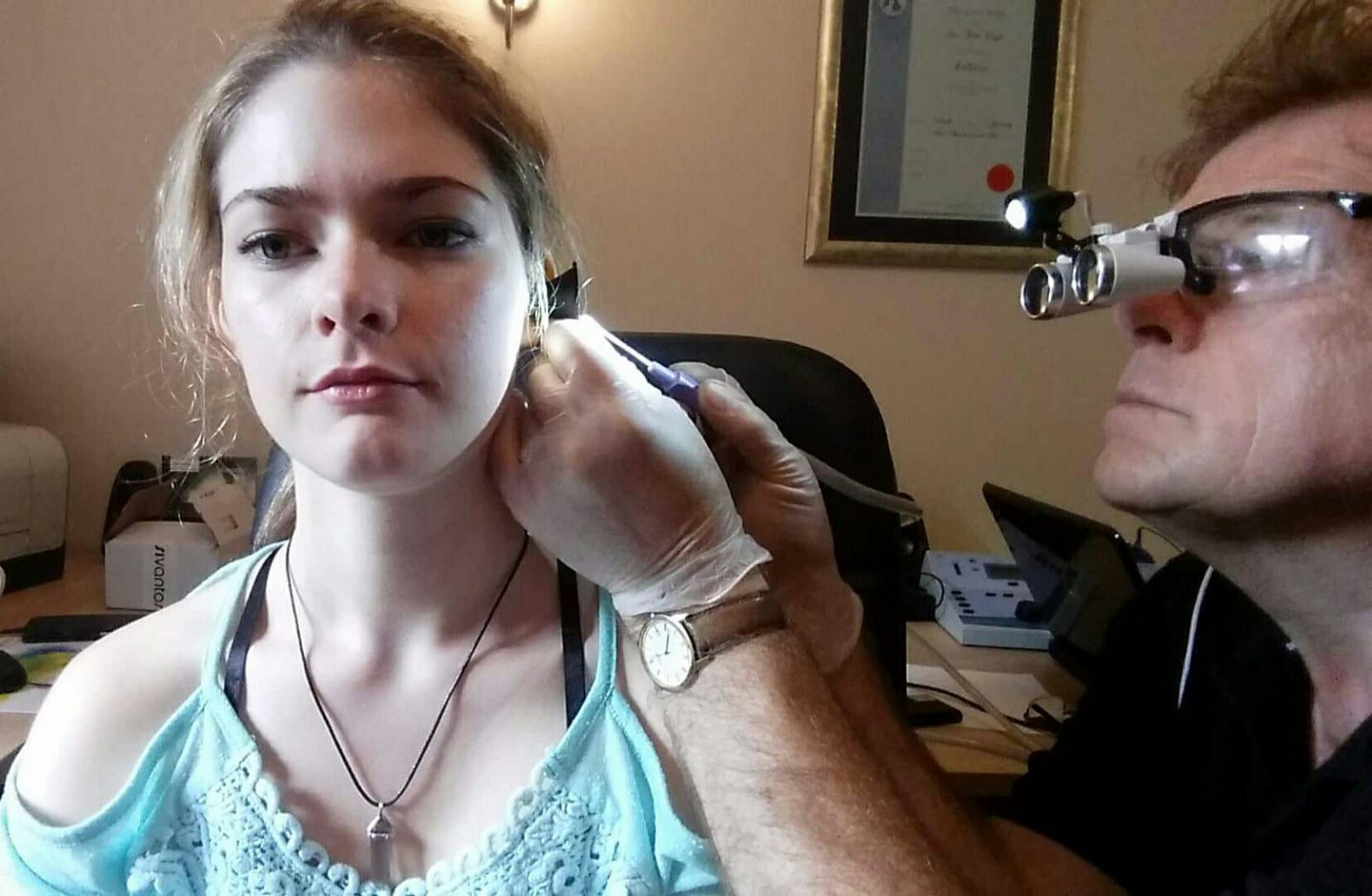
Easi Ear Hearing Care has joined the No Wax Ear Wax Removal Network offering micro suction ear wax removal in Bristol and Chepstow. Ian Croft of Easi Ear has over 25 years experience in the hearing care profession. Ian is passionate about hearing and hearing problems and will give advice freely to any who enquires.

Ear Wax Removal Bristol & Chepstow

Ear Wax Removal Bristol

He offers instant micro-suction ear wax removal for £60 per session whether he needs to clean one or two ears. Microsuction is probably one of the safest methods of ear cleaning, there are no liquids involved, therefore there is no mess and little fuss. It can usually be done the day we see you with no preparation, however, occasionally, it might need two sessions depending on the hardness of the ear wax. 

Price: £60.00 for the session (one or both ears)

I have known Ian for many years and he is committed to providing high levels of care to his patients. He has been involved at the highest levels of our profession, serving on the council of the British Society of Hearing Aid Audiologists and he has consistently lobbied for the use of best practice hearing care across the profession. 

Phonak Audeo B-Direct, The Full Run Down Of What You Need To Know

A Review of The New Audeo B-Direct From Phonak

The Capabilities, The Missing Features, The Sexy Hands-Free Experience

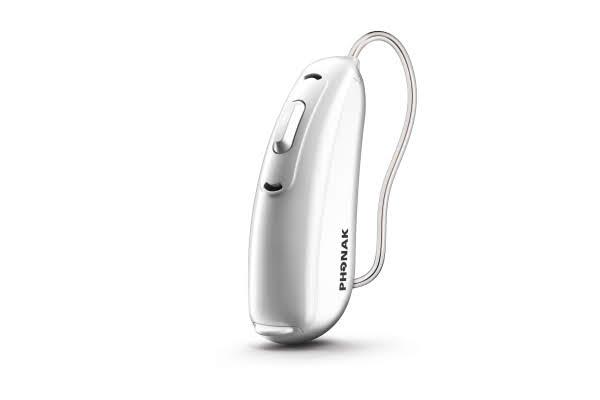
Phonak have now completed the launch of the new and very interesting Audeo B-Direct in the US, UK and Ireland. The concept for the device has been fascinating and it is the very first ever Made For Any Phone hearing aid. That means that the hearing aids will connect directly to any Bluetooth enabled mobile phone, no streamer and no hassle. Let’s talk about the hearing devices, what they offer and some important points you need to consider before you buy them.

As I have said, this is the first ever Made For Any Phone hearing aid, that means it will connect to iPhones, it will connect to Android Phones and it will connect to pretty much any phone that has a Bluetooth connection. So if you refuse to give up your old Nokia 5210 (pry it from my dead hands!!!!!) well then you are in luck. However, there are pros and cons here, caveats to the direct connection that you need to understand, so let’s talk about them. 

Audeo B-Direct hearing aid

Complete Freedom

The main pro here apart from the fact that it will connect to any phone is that the devices give you amazing freedom from your phone. They act as a wireless headset, allowing you to both answer and refuse phone calls with a touch of the button on the hearing aids. They also act to stream the call to the aids and to stream your voice back to the caller. Simply put, you don’t need to touch your phone, it could be twenty feet away and you can still take a call and speak to the caller without ever needing to look for it. That is complete freedom.

One Ear Only

Unfortunately, the audio from the call is only streamed to one ear, however, in order to give you the best opportunity to understand, the attenuate the microphones on the opposite ear. I have not tried them, but I have spoken to someone who has. They said that the call is exceptionally clear and presented no issues even in a slightly noisy sound environment.

Confused About The Right Hearing Aid For You? 

Confused about hearing aids?
hearing aid buying guide

Our buying guide, easing the confusion with clear easy to understand info, we guarantee it will help you pick the right hearing aid for you.

Environmental Balance

Phonak also has a feature called Environmental Balance which will allow a user to increase the streamed audio volume over and above their surroundings. They have claimed that it can give up to a 30dB advantage in signal to noise improvement, that is a helluva lot. 

No Music or Audio Books From The Phone

The second thing to consider is that you can not stream audio other than phone calls from the phone. So no music or audio books, just phone calls. But again, the phone handling feature is outstanding and delivers real benefits as discussed.

Amazing Audio From The TV

In fact pretty amazing audio from any sound source once it is connected to their new TV Connector. I talked to a few people who had got a chance to listen and they were impressed by the clarity and fidelity of the sound. That means that listening to audio at home either while watching the TV or just listening to music will be a pleasurable experience without interrupting anyone.

Three Levels of Technology

The devices are a size 13 battery powered Receiver In Canal (RIC) hearing aid that will be available in the top three levels of technology, that’s the B90, the B70 and the B50. They also use the new and updated Autosense OS which brings the tweaks that have ensured the Belong range is superior to the Venture range. The devices will handle three levels of power, the standard receiver, the power receiver and the ultra power receiver which will cover hearing losses from mild to severe.

Missing Some Features

However, in the B90 and B70, they do not have all of the features of the other aids in their technology levels. Because of the chipset that Phonak are using they lack the ability to stream audio in an inter ear manner. Phonak have become famous for the use of inter ear audio to deliver better results in certain sound situations for people with hearing loss.

In essence what they do is when you enter specific situations, they stream the audio being picked up by the best side to the other side. Allowing you a better chance to understand what is being said. While they do use an inter ear data exchange to ensure the most natural cues are delivered to a user, they will not have some automatic or manual sound settings. The sound settings / programmes they are missing out on are:

  • No Speech in Loud Noise on the Audeo B-Direct
  • No Speech in 360 on the Audeo B-Direct
  • No Speech in Wind on the Audeo B-Direct
  • No Duophone on the Audeo B-Direct

That is a loss of some pretty amazing features for hearing in complex sound situations. So you need to be aware of it when you are making a decision on purchasing. There are no other surprises, nor is there much else that you need to know. Apart from what we have discussed here, the Audeo B-Direct is similar in nature to other Audeo hearing aids at each technology level.

Solid Hearing Aids, Amazing Phone Capability

These are pretty solid hearing aids that offer an outstanding mobile phone capability that is unique. No other hearing aid on the market offers this type of headset connection to mobile phones or the complete hands-free use. However, there are caveats, because of the nature of the devices you will lose out on some pretty excellent features.

That doesn’t mean the hearing aids aren’t pretty good performers, in fact from any of the comments I have heard so far they seem to be excellent. Like I have said before, our job is to tell you the facts, it’s your job to take them and use them to make educated purchase decisions. If the mobile phone is a big part of your life and you don’t want a streamer or the more traditional direct connection possibilities. If freedom of use and sexy hands-free calling is what you really want, then these babies are for you. Here is a comparison chart of features and capabilities between the Audeo B-Direct and a Made For iPhone hearing aid:

Feature ComparisonLiNX 3dAudeo B-Direct
Direct Wireless Connectivity To iPhoneYesYes
Direct Wireless Connectivity To AndroidNoYes
Stream Phone ConversationYesYes
Answer Phone With Hearing AidNoYes
Handsfree CallingNoYes
Phone Conversation in Both EarsYesNo
Streaming of Audio From PhoneYesNo
Use iPhone as Remote MicrophoneYesNo
Find Lost Hearing Aid FeatureYesNo
Remote Fine Tuning of Hearing AidsYesNo
Tinnitus Therapy FeatureYesNo

If you like what you see, share it so others can benefit

Google celebrates British Sign Language and the Work of Thomas Braidwood

Google celebrates British Sign Language

I was pleasently surprised this morning when I browsed Google (UK version) and saw that their daily Google showed a group of kids finger-spelling Google in British Sign Language (BSL).

For those outside of the UK, click on this link to see the UK version of Google’s homepage.

The actual title Google have used for their doodle is “Celebrating British Sign Language and Braidwood’s Academy”.

Thomas Braidwood

Braidwood (1715 – 1806) founded the first British school for deaf children. He pioneered the use of sign language in learning as opposed to relying on lip reading and trying to get deaf kids to use the spoken word to communicate.

He began teaching at his home in Edinburgh and accepted his first pupil in 1760. As more pupils attended he focused attention solely on teaching the deaf and founded Braidwood’s Academy for the Deaf and Dumb. He developed a system for teaching the students that included a type of sign language, which was the basis of what we know as BSL today. 

In 1783 Braidwood moved to Hackney, London and established another Academy there – continuing to teach deaf students using his unique mix of sign language and lip-reading. All there of his daughters followed in his footsteps and became teachers of the deaf.

There’s an interesting article on the history of deaf education here.

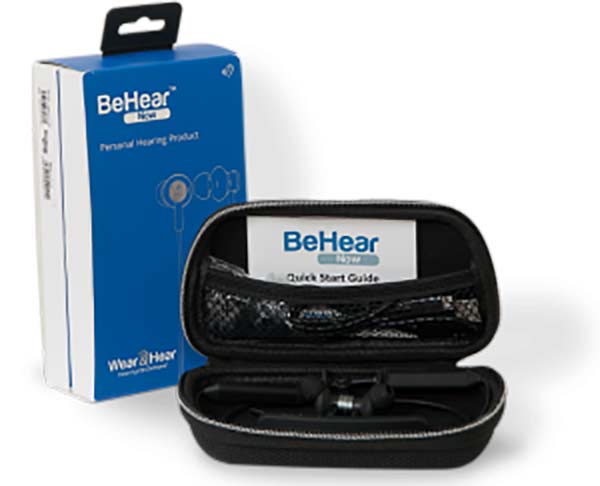
The BeHear Headset, Looking Like A Fantastic Device

Not There Yet, But Will be a Killer Device

I have been recently playing with the Beta test version of the BeHear Bluetooth Headset. A beta version is a version of a product that is close to release, you would expect some bugs in the system because that is the nature of Beta Testing. The BeHear has some bugs, but when they iron them out, I think they will be an amazing piece of kit for people with hearing loss who aren’t ready to move forward to hearing aids. Let’s talk about the BeHear. 

Be-HEar Bluetooth Headset

What Are They?

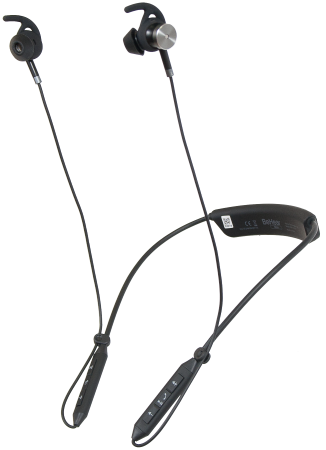
Be-Hear Headset Close Up

The BeHear devices are representative of the new Hearables revolution, they are a typical Bluetooth headset with a real twist. it is a completely personalizable Bluetooth enabled stereo headset that provides audio enhancement for your hearing needs. It works with phone calls, audio play, and ambient hearing.  The device can be tuned to reflect your specific hearing ability which will deliver exactly what you need to hear calls, music and even the speech of someone nearby.

The device also helps improve your hearing comprehension. While talking on the phone or listening to voicemail, the EasyListen™ technology slows down speech to improve intelligibility of “fast talkers”, foreign languages, and recorded messages.

The devices themselves are sturdy and well built with two in-line remote controls, one for the typical Bluetooth features and the other to control the personal amplification features. The buds themselves have magnetic plates on the outside that ensures the earbuds clamp together in front of your chest when not in your ear.

Test Your Own Hearing

The device comes with a pretty simple,self-administered hearing assessment in a free downloadable Smartphone application (downloadable from Google Play or Apple Store). Using the app which is relatively easy, you can run a simple hearing assessment that will test your ability to hear sounds.

What Does The Assessment Offer?

Using the assessment results, the device automatically adjusts voice and audio input controls to suit your hearing levels. It also creates various profiles based on the listening environment (indoors/outdoors, crowded). The app also allows you to fine tune these profiles in real time any time you feel the need.

Why Would You Choose Them?

These types of devices are really situational devices, they are good for certain situational problems. They are not devices that you would or should wear all the time. If you have a problem that is consistent across your day, well then you really need to consider wearing hearing aids.

Having said that, if you are worried about the benefit of hearing aids, these devices can give you a clear idea of what that benefit will be. If you have a problem hearing in just one or two situations in your life, well then these types of devices can give you the edge that you need. 

Setting Them Up

The set up is easy, you will go through what is basically a pure tone air conduction test that will allow you to set on a sliding scale the very softest sound you can hear across a series of sound frequencies. The testing procedure is well explained and easy to follow. What was really interesting during the test was that I could increase and decrease the sound signal in 1 dB steps. Something that we don’t do in normal testing but perhaps should. 

An Audiogram????

I was surprised at the end of the test procedure to be presented with an audiogram. I was even more surprised to realise that it was actually nearly spot on. I have tested my hearing with the best of equipment and the audiogram produced by the BeHear delivered more or less the same results. It did display some differences in my ability to hear in the low frequencies which I attribute to picking the wrong earbuds during the initial set up (they weren’t tight enough). 

My Complaint

I have one complaint about this system of testing and it is not levelled at the manufacturers of the BeHear in particular. An air conduction test does not tell us all that we need to know about a hearing loss. At present, it is not viable to undertake a bone conduction test with these type of devices and it may never be. I would like all the manufacturers of these devices to make it clear that anyone who takes one of their assessments should consider getting a full and in-depth hearing test. 

I would also like if those manufacturers loaded software into their system that flagged when air conduction results needed further investigation. That wouldn’t be hard, it would be based on some logic based on well-known calculus rules. If they did so, I for one would feel a little bit more encouraged that people were not risking their health and hearing by self-treating problems that could do with a further investigation. 

My Experience

It is important that I am fair to the manufacturers of BeHear because this is a Beta version, hence bugs. This is not a finished version ready for sale. The version I wore had a few bugs, however, and this is a big, however, they delivered amazingly crisp sound across all applications.

Phone calls were excellent, especially with the slow down feature, music was crisp and full, ambient sound was sharp and clear. The noise reduction feature which you can change the level of in the app was pretty good. It basically attacked steady-state noise by turning it down (a bass cut really) but it worked.  

The devices are light around the neck and wearing them in my ears caused no issue. When you wish to take them out the earbuds hang in front of you and the magnetic plates on the outside of them clamp together to keep them neat. The in-line remotes work as advertised with the amplification remote allowing you to cycle through the different listening profiles etc. 

The problems I faced were software based, for instance, when I clicked into an app on my phone the ambient noise feature would cut out for a moment. The very odd occasion, the ambient noise feature would stubbornly refuse to turn on. These are all simple software based bugs that the company is already working to iron out. They are pushing out a firmware upgrade soon and I look forward to continuing to test the devices as they do. 

Not Ready Yet

So, these devices are not quite ready for public consumption, however, I think that they are pretty close. Some software upgrades should see the devices become more stable in use. The premise, the set-up and the hardware are excellent, once the bugs with the Bluetooth system are ironed out these really will be a fantastic option. 

An Absolutely Fantastic Device Waiting to Happen

In finishing, I think these are an absolutely fantastic device just withing to happen, once the manufacturers have ironed out the little issues, they will be outstanding. The other thing is that with all Bluetooth products, there will always be issues, it is the nature of Bluetooth, however, they should be able to limit the issues to the run of the mill norm.

Like I said, these are situational devices, ideal and relatively cheap devices to give you a helping hand in particular situations. I think these will be really good devices when they release them, but if you think you need to wear them all day, well then you need to start looking at hearing aids. 

If you like what you see, share it so others can benefit

Audeo B-Direct VS Resound LiNX 3D, How Do They Compare?

Made For iPhone Versus Made For Any Phone

This article is not a direct comparison pound for pound as they say. It is focused on the connectivity elements of the respective devices and what they offer. I have chosen the Resound LiNX 3D as a comparison for two reasons, it is an excellent representation of the Made For iPhone (MFI) concept and I wear them, so I know what I am talking about. Phonak were late to the party with direct connection to mobile phones, but they have delivered a fantastic and innovative product, but how does it stack up?

Audeo B-Direct hearing aid

Firstly, I would like to say that both hearing aids offer a fantastic experience. Both of these hearing aid brands have long history and they both offer features and strategies that will deliver better hearing even in the most complex sound environment. As i said, I am focusing on connectivity here, in fact primarily mobile phone connectivity.

Which is Better?

Which is better for you depends on what you want, if you want an easy and fantastic way to take mobile calls with ease no matter how far away from your phone you are, then the Audeo B-Direct is definitely where you should look. If however, mobile calls are important but other audio is as important, well then the Resound LiNX is for you. Let’s take a look at them.

Update September 5th: I read a comment on this article in a professional’s forum, and I have to say, you know they were right. So I am adding this update to make this article much clearer. I have focused here on iPhones and also Android phones, in other words SmartPhones. I stand by my comments here in relation to that. But and it is a big but, not every hearing aid user has a SmartPhone. In fact many hearing aid users have dumb mobile phones. The Audeo B-Direct is the only hearing aid available that will connect to them directly. In fact, with this concept in mind and if you have a dumb mobile phone and don’t plan to change it, the Audeo B-Direct is really the only show in town. 

Tired of Listening to Bla? We Got You Covered

Tired of the blah
hearing aid buying guide

Our buying guide, no Bla, just clear easy to understand info, we guarantee it will help you pick the right hearing aid for you.

The Phonak Audeo B-Direct

Audeo B Direct

Phonak got a lot of grief from their shareholders about their lack of a Made For iPhone hearing aid. Made For iPhone really stormed the market back in 2014 when Resound introduced it. It caught many of us by surprise to be honest. I think it was the first hearing aid that caught the imagination of the wider tech community and then consumers.

Within a year, Made For iPhone was big news and many of us expected the other manufacturers to follow quickly. They didn’t and that surprised us, it also made Sonova shareholders a little bit twitchy.  So, finally Phonak has introduced a Made For iPhone hearing aid.

The device is a Reciever in Canal device and it is available in three levels of technology. However, it isn’t really a Made For iPhone hearing aid and while it is also the first ever Made For Android hearing aid, it isn’t really that either. In fact, it is the first ever Made For Any Phone hearing aid. 

Made For iPhone, Made For Android, Made For Any Phone!

In essence Phonak has cracked the age old Bluetooth problem, using the traditional Bluetooth connection is exceptionally power hungry. Far too power hugry for hearing aid use, however, Phonak have designed a brand new chipset (Sword!!! Got to love the names right?) which allows direct Bluetooth connection to any phone without sacrificing battery power. That means that the hearing aids will connect to any Bluetooth enabled mobile phone for direct streaming of phone calls. But wait, there is more, because they use this older type connection, they can tap into the “headset protocol” and that is where the magic begins and I do mean magic. 

Amazing Headset Functionality

Not only will it connect directly, but as with traditional Bluetooth headsets, you can use the button on your hearing aids to answer the call or bounce it. When you have answered, you don’t even need to pick up your phone. The microphones on the hearing aids will pick up your voice and transmit it to the caller. That is complete freedom for mobile phone calls. No thinking about it, no getting your phone, just answering and talking, no matter what mobile phone you own. That is pretty cool. One addendum here though, it only streams the phone call to one ear, which seems a little odd. However, if I get my hands on a pair I will let you know how it works.  

No Music From The Phone Though

Unfortunately, the hearing aids aren’t designed to stream music from your phone. The protocol doesn’t support it and for me, that’s a pity. I like to listen to music from my phone, I also really like to listen to audiobooks. In fact I burn through two or three audiobooks a month on my phone. I would not be able to do it with the Audeo B-Direct. This is the problem for me and if you like to listen to audiobooks or music from your phone, it will be a problem for you too. These are probably one of the best hearing aids available for connecting to a mobile phone so you can simply answer calls with no streamer and no hassle, but they aren’t an all round solution. Phonak do offer a special streamer for your TV or really any audio source, but it isn’t something that you are going to use on the go. 

LiNX 3D Hearing Aids

The Resound Linx 3D hearing aids are the latest Made For iPhone hearing aid technology from GN Resound. While the new devices include Resound’s fifth generation of wireless technology. They are in fact their third generation of Made For iPhone hearing aids. Pretty damn good hearing aids as well. Resound’s strategy has been different from everyone elses. While all the other hearing aid brands have introduced a Made For iPhone model, Resound have made all of their premium hearing aid ranges MFI. In the LiNX range alone there are eleven different hearing aid models in three levels of technology. They also have just released a new Super Power MFI for people with severe to profound hearing loss.

Made For iPhone, Not Android

The ReSound LiNX 3D connects directly to the iPhone using Apple’s protocols. However, they will not connect to an Android phone or any other phone without an intermediary streamer. Many people don’t like the idea of a streamer, I don’t really understand that. I suppose that it is another device to look after, more hassle? 

Resound Linx3D

When answering calls on your mobile, the audio is directly streamed to the hearing aids. However, in order to talk to the caller, you need to lift the phone to your mouth or hold it to your ear in the usual way. When using the devices with an Android phone, the streamer device is used to talk back to the caller. So it isn’t as free and easy as the Audeo B-Direct for phone calls, however, it comes into its own when you want to stream audio from the phone.

Audio on Demand

Like I said, I listen to a lot of audio, audiobooks, podcasts, music, you name it. The pure joy of lining up my book or music, playing it and then just doing my thing while it streams to my hearing aids just can not be overtsated. I would imagine that I am not the only one. With an iPhone it is direct streaming and the audio quality is excellent and the connection pretty solid. With an Android device it is a case of using the streamer, again, the audio is excellent and the connection is probably even more solid.

Which One is Best, What is Most Important For You?

The key here is that the hearing aids are pretty solid, yes they have different strategies and proprietary technology, but the bottom line is that they will both make a dramatic difference to how well you hear. So essentially, if both of these hearing aids are suitable for you, your lifestyle and your hearing loss the crunch is down to what is most important? Is it the freedom of mobile phone calls with complete ease while using the only hearing aids in the world to offer a headset functionality? Or, is it being able to use the mobile phone with ease while also enjoying streamed music and audio on the go? Here is a complete run down of the headline features and how they stack up:

Feature ComparisonLiNX 3dAudeo B-Direct
Direct Wireless Connectivity To iPhoneYesYes
Direct Wireless Connectivity To AndroidNoYes
Stream Phone ConversationYesYes
Answer Phone With Hearing AidNoYes
Handsfree CallingNoYes
Phone Conversation in Both EarsYesNo
Streaming of Audio From PhoneYesNo
Use iPhone as Remote MicrophoneYesNo
Find Lost Hearing Aid FeatureYesNo
Remote Fine Tuning of Hearing AidsYesNo
Tinnitus Therapy FeatureYesNo

If you like what you see, share it so others can benefit

Oticon Opn – more than just a hearing aid

The Opn, Future Device?

Geoff and I have been speculating for a while about the future of hearing aids. One of the things that we wrote about was a hearing aid that does more than just help you to hear better, a hearing aid could be a “smart device” that connects to your phone, your iPad, your digital thermostat, your email, your Facebook, your Amazon Echo, Fitbit and all your other stuff.

Well, the first step to that future has arrived! Oticon’s Opn hearing aid is a very smart device, it uses the IFTTT network to connect you to all sorts of things and open up a lot of possibilities. Before I dive into the technical stuff, you may be wondering….why?

Oticon Opn

 ​

Why does a hearing aid need to do more than just help you to hear? Well, as I see it, a hearing aid is something you have on you all the time, it’s no effort to carry around, you are not going to forget it easily (wow, things are quiet today) and it also has a great way of notifying you of things: plays a sound in your ear.

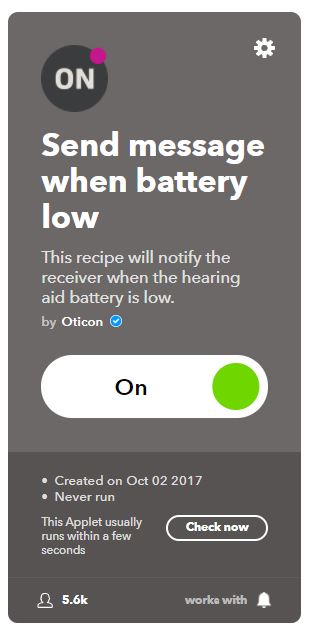
So, for example, it could play a sound when someone presses your doorbell and you are out in the garden. But that’s half of the story, the Oticon Opn can also send out notifications, so if the battery is getting low it can send an email – very useful if the wearer is not able to change their own batteries and they need a friend or relative to do it.

What is IFTTT?

I always have a hell of a time trying to explain IFTTT! It is a service that connects things to other things. It has a website (https://ifttt.com/) where you can browse all of the products and services that are connected to IFTTT – so basically, anything that is connected to this service can send a message to anything else that is also connected. Facebook is connected to IFTTT, as is Gmail, Spotify, Nest (a smart home/thermostat), LG washing machines, Samsung and GE refrigerators, Tesla and BMW cars, Google Calendar, Skype and a ton of other things. This list is just going to continue to grow. 

IFTTT gives all of these websites and machines an easy way to “talk” to each other, that is its main function, to act as a go-between for all of these things that can’t usually communicate with each other. For example, you could set up a connection in IFTTT so that your thermostat heats your house to a certain temperature when you write “thermostat on” on your Facebook wall or you could receive an email in Gmail when your favourite band has something new on Spotify. 

So basically IFTTT exists so that we can set up connections between things and say: when this happens, do that.

And, of course, your Oticon Opn is now one of the connected things. So it can send you an email when its battery is running out or display a message in your Tesla car as you drive to work to let you know it needs a service. You can see Oticon’s IFTTT page here: https://ifttt.com/oticon
 

Setting up Opn and IFTTT

It is very simple to get your hearing aids connected to IFTTT, you need to:

1. Install the Oticon On App on your iPhone/iPad/Android.
2. Create an Oticon ON account.
3. Use IFTTT to set up connections between your hearing aids and other things.

Firstly, go to the Play Store (Android) or Apple Store and search for “Oticon ON” and then install the app. Now, open up the New Oticon ON app and create an Oticon account. When the ON app first starts it will try and connect to your hearing aids, so these need to be switched on and connected via Bluetooth to your device.

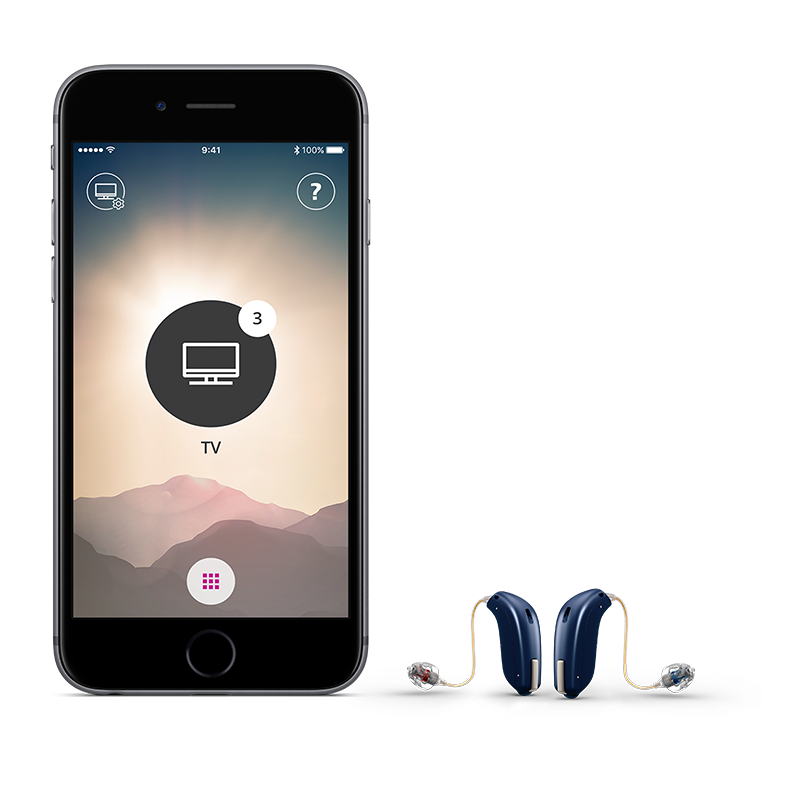
Now, still in the ON app, click on the button centre bottom (shown in the picture) and then click on the “IF” bubble. This opens up the IFTTT page, click on “Oticon at IFTTT” and it takes you to the IFTTT website itself, you need to create a user account on IFTTT as well.

Once registered with IFTTT you can search for “Oticon” on there and you should see the “recipes” that Oticon has available, one of which is “send message when battery low”, click on that and enable it and you are all done. 

It is worth mentioning that in order for the Opn device(s) to send or receive information with IFTTT they need to be connected to the Apple device via Bluetooth. 

So that is a basic set up to get an email when the hearing aid battery is low, very useful for elderly relatives who aren’t able to change their batteries themselves. I will look at adding new recipes in IFTTT that I can connect to my Opn and update here. This connected technology is not going to be for everyone right now but it is a smart move by Oticon to get onboard with this, this is the future of hearing aids: smart devices that are integrated in to our everyday lives in much the same way as phones are, multi-use applications that connect to anything and make our lives easier. ​

If you like what you see, share it so others can benefit

HearScope Smashes its Crowd Funding Target

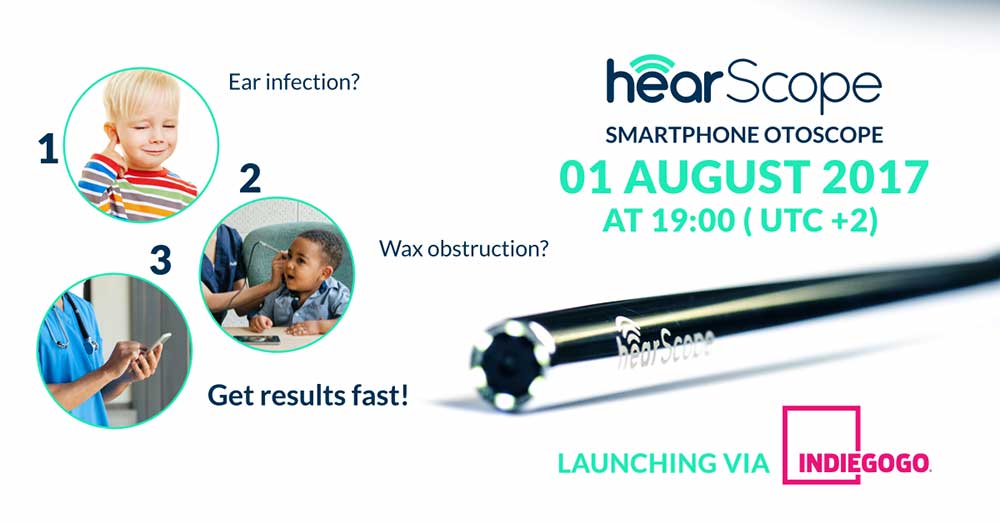
We spoke here a while ago about a fascinating new piece of technology in the article “A New Tool For Early Diagnosis of Mid Ear Infections“. It detailed a new SmartPhone Video Otoscope invention called the hearScope that the HearX Group was hoping to bring to market. Well it completely smashed its crowdfunding target and supporters can expect delivery of their products early next year. With just five days left, they have reached 164% of their target on indiegogo

Hearscope Banner

I for one am looking forward to getting my hands on one and they should be released in February 2018. The online diagnosis part of the equation will take a little longer but it will come later in 2018. So what is it for you who are only catching up?

Hearscope product

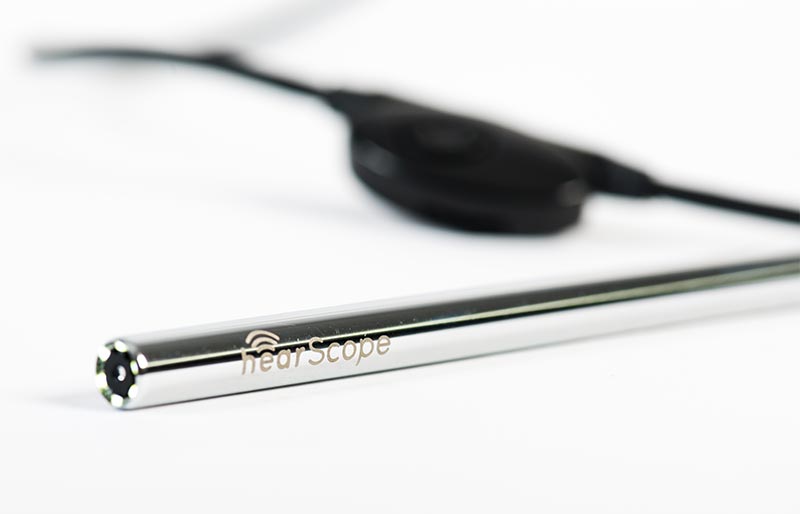
A Mini USB Video Ear Scope

The device is a thin mini USB video scope which comes with a selection of specula. The zoom ability on the device is reported to be incremental up to a staggering 200x. They say the image quality will be crystal clear. While this in itself would be a boon to professionals, the extended power of the system is what offers parents and consumers the real benefit.

It plugs into a mini usb on your smart phone and the downloaded app allows you to see and capture the image and photos. The details will eventually be able to be uploaded to their servers where they can be assessed and diagnosed. 

Innovation in the audiology sphere is really heating up, especially within tele audiology and tools that offer a different experience to consumers. The hearScope is just one example of this, but I think it will be a welcome example for health professionals and parents the world over.