Getting the Most Out of Your Silver-Zinc Rechargeable Hearing Aid Batteries

Care Tips For Your Rechargeable Hearing Aid Batteries

Silver-zinc rechargeable hearing aid batteries now provide all-day power for many of today’s most advanced rechargeable hearing aids. Available as a built-in option on styles from nearly every major hearing aid manufacturer, they are entering the mainstream and being put to use by thousands of hearing aid wearers around the world. In this article, Sara Sable-Antry talks about how you can get the very best out of your ZPower rechargeable hearing aid batteries.
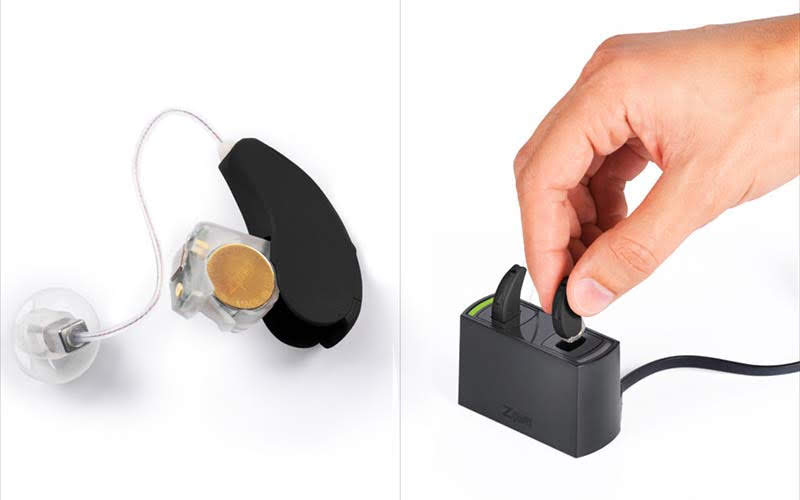
ZPower rechargeable hearing aid systems

At ZPower, we are committed to enhancing the quality of life and hearing experience of patients, and we are thrilled that so many people are now benefiting from silver-zinc rechargeable hearing aid battery technology. Because our battery technology is different from traditional hearing aid battery technology, it requires a different care routine; and as our batteries become more and more popular, we’ve recognized the need for some additional information to help users get the most of their experience.

With any new technology, there is a learning curve, and we want to make sure our customers have all the information they need to best care for the batteries. We’re grateful to the team here at Hearing Aid Know for giving us the opportunity to share some of our battery best practices with you.

First, let’s talk about charging

ZPower Batteries Come Pre-Charged and Ready to Go

ZPower batteries come pre-charged from the factory, and they are ready to go right out of the box. There is no need to pre-charge your battery before using your hearing aid for the first time.

Charge Your Batteries Every Night 

Place your hearing aids in the charging dock every night until the flashing green lights are a steady solid green. This may take up to seven hours, depending on how depleted your batteries are.

Charge Your Batteries When You’re Not Using Your Hearing Aid

If you remove your hearing aids during the day (i.e., to take a shower, go swimming, etc.), put the hearing aids back on the charger. A good rule of thumb to go by is: If the hearing aids are not on your ears, they should be in the charger. The batteries will not overcharge, and storing them in the charger will not decrease the overall lifespan of the battery. If the charger is not available, it’s OK to open the battery door for a few hours until you either need to wear your aids again or you can place them on the charger

Short-Term and Long-Term Storage Tips

If you’re not going to wear your hearing aids for a couple of days, simply leave them in the charger until you’re ready to use them again. If you’re not going to use your hearing aids for longer than two weeks, it’s best to remove the batteries from the hearing aids and store them in a safe place away from other metal objects like keys or coins, placed in such a way that they don’t touch each other.

What to Do if You Forget to Charge

One of the most appealing benefits of the ZPower rechargeable system is that if you forget to charge your hearing aid batteries, you can swap them out for zinc-air disposables. Just make sure that at the end of the day, you put your ZPower batteries back into the hearing aids and place them in the charger so that they will be ready to go the next time you need them.

Now, let’s talk about drying.

Many hearing aid manufacturers recommend the use of dehumidifying dryers as part of regular hearing aid maintenance. The temperature fluctuations can exceed a silver-zinc battery’s recommended operating temperature, which can then impact the battery’s performance. That’s why ZPower has partnered with MG to bring a compatible dryer system to the market. During late spring of 2018, ZPower will be launching a retrofit drying system that will work with any ZPower charger that’s already purchased or that will be purchased. This system will provide charging, active drying and a UV light – all in one system.

Finally, let’s talk about issues associated with trying to extend battery life.

Should You Charge Every Other Day?

A ZPower rechargeable hearing aid battery is designed to perform at full capacity for approximately 12 months when used as directed and charged each night in preparation for the next day. If you attempt to extend battery life by charging every other day, you may encounter performance issues associated with full battery depletion. 

Should You Reboot After a Low Battery Warning?

Have you ever opened and closed the battery door on your hearing aids to eke out a little bit more battery life? It’s a pretty common way in which people try to squeeze a little more juice out of their disposable batteries before they have to replace them. And while this practice canget a little more power out of your ZPower rechargeable batteries as well, it is a practice we highly discourage because it can negatively impact long-term battery performance. That’s why, when you hear the low battery signal, it’s time to either put your hearing aids in the charging dock or insert disposable batteries and keep the rechargeable batteries safe for charging later.

Silver-zinc rechargeable batteries are non-toxic, non-flammable and 100% recyclable.

Here at ZPower, we’re thrilled to be able to supply a safe, recyclable, rechargeable battery for hearing aid wearers that provides the kind of power that can keep today’s most sophisticated hearing aids going strong. We know that there will continue to be questions asked as more and more people make the switch to rechargeable batteries, and we’re committed to providing support to our users every step of the way.

If you have a question not addressed in this article, we invite you to visit our dedicated support page, Ask the Expert, where you can submit your query and get an answer directly from a ZPower expert.

If you like what you see, share it so others can benefit

How Long Do Hearing Aids Last?

Do I Need To Replace My Hearing Aids Every Five Years?

I am often asked this question both in the clinic and via hearing aid know. Many have read somewhere or have been told that hearing aids need to be replaced every five years. That isn’t quite true, your hearing aids could keep doing their thing for ten years or more. However, there is always a, however, there is some validity to the five-year statement. So which is it, every five years or when they fall over?

Will it benefit you to upgrade your hearing aids every four to six years? Yes, it probably will. Will you have to upgrade your hearing aids every four to six years? No, you probably won’t.

Every Five Years

When professionals talk about replacing hearing aids every four to five years they are actually talking about the cycle of technology change in the hearing aid world. While hearing aid brands introduce new technology on a two-yearly basis, those updates are incremental changes. The real jump in innovation tends to happen every four to five years.

Completely Different From What Went Before

In essence, the hearing aids that are produced at the end of the five-year cycle are dramatically different in efficacy and technology than what has gone before. They tend to be a real leap forward. For instance, if we take two hearing aid manufacturers as an example.

Widex and the Clear

The Clear platform which was released in 2009 was a massive leap forward in Widex technology. It introduced a completely new wireless communication system which was used to introduce a completely new way of processing sound.

Widex Unique hearing aids

Five years or so later, Widex introduced the Unique platform which was a radical departure for them. They had expanded the levels of sound they captured with the Dream platform, now they changed the way they dealt with different situations with the introduction of a new type of analysis and categorisation system. If you bought a set of Widex Clear hearing aids in 2012, is worth upgrading to the Unique? I would have to say Hell Yeah! If you bought a set of Widex Clear devices in 2012, are they useless and need to be changed, Hell No!


Confused About The Right Hearing Aid for you?

Confused about hearing aids?
hearing aid buying guide


Our buying guide, easing the confusion with clear easy to understand info, we guarantee it will help you pick the right hearing aid for you.

Resound and the LiNX

Resound introduced their groundbreaking Made For iPhone hearing aids the LiNX several years ago. It was the first MFI hearing aid platform to hit the market and they were a real leap forward for Resound. In 2017, they released the latest LiNX platform the 3D. It is a remarkable leap forward for them with a completely new analysis and management system combined with a very clever directionality system which delivers natural sound and real benefits in noisy situations.

With their intermediary system the LiNX2 they improved battery life, expanded the platform to include custom MFI devices and they ensured the connection to the iPhone was more robust. If you bought a set of Resound LiNX hearing aids in 2012, is worth upgrading to the LiNX 3D? I would have to say Hell Yeah! If you bought a set of Resound LiNX devices in 2012, are they useless and need to be changed, Hell No!

Every hearing aid brand has gone through this cycle over the last few years. The hearing aids from every major hearing aid manufacturer are radically different today than they were five years ago. Does that mean you have to run out and buy them? No, it doesn’t, however, they are better than what you are wearing, dramatically better.

When do Hearing Aids Die?

Again, a bit of a hard one, but generally speaking, you should expect to get between eight to ten years out of a set of hearing aids. After about eight years, it gets pretty hard to get them fixed if they fail. That doesn’t mean they are going to fail, just that if they do, we might not be able to help.

The manufacturers have changed many things in their devices over the years including many of the components. As the devices get older, it doesn’t make sense to keep manufacturing these components, so eventually, they run out of parts. When that happens, generally speaking, your hearing aid is knackered.

So, How Long Do Hearing Aids Last?

On average, modern hearing aids have an estimated lifespan of between five to eight years. Depending on the style of hearing aid, some may last longer. In-the-ear hearing aids tend to last around five years, while behind-the-ear hearing aids have a five to eight-year lifespan. As I said, aanything after that has to be viewed as a bonus.

I hope this clears up the five-year question, in finishing, will it benefit you to upgrade your hearing aids every four to six years? Yes, it probably will. Will you have to upgrade your hearing aids every four to six years? No, you probably won’t. Any questions, get in touch. 

If you like what you see, share it so others can benefit

The Joy of Hearing, oh, and 27 Types of Cement

I was recently returning from an appointment in the Uk and I had an interesting conversation with an Irish lad in the airport about cement. Strange what us Irish blokes get talking about right? Did you know there are 27 different types of cement? No, I didn’t either, it surprised the hell out of me. What has that got to do with the joy of hearing I hear you ask. Well, let me explain. 

LiNX 3D line up

No Damned Hearing Aids

I had been in a rush that morning and I left the house without my hearing aids. I wasn’t too phased because I wasn’t expecting to be in any major noisy situations. My loss is such that I can generally get along well in quiet, like most of the people who have acquired hearing loss. My problems really only start when I am either tired or in noisy situations.

That day I knew I wouldn’t be in too many noisy situations, I also knew that by the time I got to the airport on the way home, I would be to tired to care what anyone was saying to me. So, no problem right? Anyway, I got through the day, no major whaaa????? moments. Got back to the airport early and then had to sit waiting for a plane for a couple of hours.

The Smoking Area

I was standing outside in the smoking area, very civilised airport East Midlands, they have a smoking area. It looks like the set from a cage fighters movie, but hey. What is the story with the caged smoking areas? Are they afraid that we will get hyped up on nicotine and gambol across the rooftops giggling maniacally? I digress, back to the smoking area, I was standing there, getting fresh air, when a guy came out and I asked him for a light.

Turns out he was Irish, so we start yarning, that’s talking, but Irish style. Anyway, he is over for a course on cement at a local University. Cement I said? Yes he says, you know there is 27 types of cement! I have to say, no I didn’t. So we had a fascinating conversation about cement, engineering and European construction regulations.

What’s The Point Fat Lad?

Yes, I am coming to it, the point is, I had a great conversation with a complete stranger with something that was a little fascinating. I got to learn something new, something I love to do. It was only possible because we were standing together in quiet. You know, if it had been noisy, I wouldn’t have engaged with the guy beyond asking him for a light. Because I wouldn’t have been able to understand much of what he said worth a damn.

Life is Enriched by Conversations

Life is enriched by conversations, hell, the Irish are famous for talking to anyone who makes eye contact. You see Londoners, there like, he’s Irish, don’t make eye contact, don’t make eye contact! Anyway, as I was saying, our lives are enriched by the human contact we make daily, conversations are the lifeblood of human interaction. For me, there is joy in simple conversations with friends, family and complete strangers, all the better if I learn something new. 

Conversations happen when we are secure in the knowledge that we can hear and communicate. It is as simple as that. I forgot my hearing aids that day, but I was lucky to have my life enriched by a conversation about cement. Don’t miss out on the conversations, if you need hearing aids to engage in your life, get them. Hopefully, you too will begin to understand the joy of simple conversations. 

If you like what you see, share it so others can benefit

Moxi All, Excellent Phone Experience and High-Quality TV Audio Streaming

Ode To Joy and The Roar of The Battlefield, A Pretty Good Audio Experience

I have had the Moxi All for a while now and I have been pretty impressed with them. On a daily use basis, they work well even in demanding sound environments giving crisp and clear speech understanding and a pretty exceptional spatial awareness experience. I will talk about that in another article to come, in this article I want to focus on the phone call experience and the streaming audio experience with the TV Connector. 

Moxi All

Moxi All Phone Experience

You can not overstate the simple joy of answering the phone hands-free. It is fantastically wonderful. This feature alone would make these my everyday go-to hearing aids if it wasn’t for the other audio streaming limitations. But, and this is a big but (shaking my but in your face, whoop whoop!) I am a voracious consumer of audiobooks and podcasts from my phone. If you aren’t, and I know many people are not, if you simply want to be able to answer the damn mobile phone and speak with ease and without fuss, well then this hearing aid may well be a gift from God.

I can not overstate the simple joy of pressing a button on my hearing aid to answer a call and then to talk hands-free

One Ear Only? No Problem!

The system works exceptionally well, a jingle announces that you have a phone call. Takes a little getting used to, for the first few days it kept catching me off guard. You simply take the call by pressing the button on the right hearing aid or dismiss the call by pressing the left one. When you answer the call, the caller’s voice appears in one ear only, which many people within the profession are a little non plussed by. However, my experience is that in most situations, that has been fine. I have rarely had issues hearing the caller, except in a sound situation where I would expect to have to step outside to take a phone call in any way.

The hearing aids use the microphones to allow the caller to hear your voice. In all of the calls I have been on, very few callers have had any issue hearing me. One of the people I have been using to test the system has said that he reckons the sound of my voice is pretty typical to any Bluetooth headset. He said it sounded a bit like I was speaking on a car Bluetooth system but he could hear me fine.

Overall, A Thumbs Up From Me Bob!

I have to say my overall phone experience was excellent. Generally, I could always hear the caller when I expected that I should, and they always heard me when I expected that they should. So, that has to be a winner. 

Listening to The TV

Streaming audio using the TV Connector is an amazing experience. The sound quality is outstanding, it offers nuanced sound detail and a pretty seamless sound experience. I hooked up an audio player to it as well and played Pachelbel’s Cannon and Ode An De Freude by Beethoven. I swear it nearly moved me to tears. Smack My Bitch Up by the prodigy was pretty cool as well. The sound production was excellent, warm, nuanced, bassy to the right extent and delivered high-quality treble. 

Listening to both the TV and any other audio source is pretty seamless. You simply hook up your audio source, turn the TV Connector on and voila streaming audio. No fuss, no hassle, relative ease and a pretty great sound experience. Listening to TV programmes and the odd film delivered a great experience, again full warm and nuanced sound which allowed easy understanding. 

These are really good hearing aids and the general Bluetooth experience is pretty good. As I said, my only problem with them is that they don’t stream audiobooks from my phone. This is important for me, but it shouldn’t put you off if you aren’t interested in that. If you want a hearing aid that offers complete freedom with your mobile phone (don’t forget, any mobile phone!) well then this hearing aid is an outstanding solution. 

What About General Use?

Just a teaser here, because my experience with general use deserves a full article. These are really solid hearing aids that work well in all of the sound environments that I find myself in. The fact they are rechargeable adds to the attraction. 

If you like what you see, share it so others can benefit

Excellent Review of Providers of Hearing Aids in Newcastle

We received a fantastic review of one of our associated Independent hearing care providers in Newcastle. Brenda Quinn Hays is the owner of Vibrant hearing services and she provides hearing care and hearing aids in Newcastle. I have known Brenda for many years and she is an experienced, thoughtful, empathetic and caring character. She is also a lot of fun. So it didn’t surprise me to read the wonderful things said about her. Enough from me, here is the review in question.

Vibrant Hearing Centre, providers of hearing aids in Newcastle

“I just wanted to let you know how absolutely delighted I am with the results (first time of asking, by the way!) I obtained from having made a visit to the Independent hearing healthcare professional in my area- Vibrant Hearing in North Shields. In August this year I went for a hearing test with a well known national chain of chemists, and was pretty impressed then. Because I live abroad, I ran out of time to follow up with them (luckily as it turns out) and having taken your advice, I walked out, some 2 hours after having arrived, with hearing aids that have transformed my life. The story doesn’t stop there, though, because the next week I had a follow up and have a further appointment this week. This is the sort of service that leaves me in total awe: caring, unbelievable helpful, very open, very honest (as far as I can tell!) and really interested in me the patient. So thank you and thanks to Brenda for getting me sorted!”

Like I said, I have known Brenda for many years and have like her for just as long. She is obviously caring and committed to her customers, not just that she is committed to her profession and continued lifelong learning and updating of her skills. If you are looking for hearing aids in Newcastle, well then Brenda and Vibrant Hearing is definitely the place you should start your journey. 

Signia 7 Nx, Models, Features and Technology Run Down

In the last couple of articles, I have covered my experience with the Signia Pure 312 7 Nx. I wanted to tie it all together here and give a full rundown of the models available, their features and also give you an idea about the different technology levels that will be available. 

These hearing devices are based on a brand new chipset from these guys, they have also introduced a processor that will deal solely with the processing of the user’s voice. On top of that, the Nx platform also has a direct connection to iPhones, which means the range is Made For iPhone with all of its connotations. Let’s talk about the Nx platform. 

OVP, Own Voice Processing

Signia made a big deal of the OVP or Own Voice Processing at the launch, and these devices are the first hearing aids to process the user’s own voice differently from everything else. In fact, they have dedicated a completely separate processor on the platform to facilitate that. They said that the strategy will increase the acceptance of a user’s own voice dramatically.

I Second That

I have to agree wholeheartedly with that sentiment, the OVP feature is amazing. My experience with it has been pretty jaw-dropping. In the article Signia Pure 312 7 Nx Hearing Aids, I talked in more depth about the own voice processing feature and why it might be of interest to you. The pertinent statement here though is:

When I was fitted with the Nx I was fitted with closed domes, I thought this isn’t going to work as I heard my voice explode in my head. Then, we went through the own voice training protocol (count from twenty-one until it is happy it knows your voice). The feature was turned on, and no more occlusion, just like that. I was a bit speechless (that doesn’t happen very often). By no more occlusion I mean no more auditory occlusion, I wasn’t caused any difficulty by my own voice.

 For new users of hearing aids the sound quality of their own voice can be off-putting, but it is usually something that they get used to. However, as Signia point out, used to does not mean happy with. This system promises to deal with the issue and it does it very well.

Direct Connection

As I said, Signia has expanded their Bluetooth system across the Nx platform, offering direct connection with the models they have introduced. Their original offering, the Pure 13 BT was well received, the system was innovative in that it used the sensors on the iPhone to assess the forward movement of a user. This allowed the hearing aids to change how they were processing sound. This system and feature set has now been expanded across the new range.

Signia feels that knowing the user is moving and adjusting the feature set to reflect it should be an integral part of what hearing aids do, I think it makes sense, I also think it is part of a larger movement within hearing aids, whereby they take data from surrounding data sources to make them better. They say that this feature and others are an integral part of the system they call the 3D Classifier. 

Confused About The Right Hearing Aid For You? 

hearing aid buying guide
Confused about hearing aids?

Our buying guide, easing the confusion with clear easy to understand info, we guarantee it will help you pick the right hearing aid for you.

The 3D Classifier

The 3D Classifier analyses many factors of the user’s environment and communication behaviour. It uses information on the user’s voice activity, their motion and sound data to tailor the hearing aids response to better suit the user’s needs. 

Two Radios

Like the Oticon Opn and the Widex Beyond, the Signia Nx platform has two wireless radios, the Bluetooth radio and the proprietary Signia wireless system. This approach brings real benefits, it ensures that the outstanding ear to ear features can still run even if you are streaming audio or taking a phone call.  

Telecare 3.0

This is a really interesting development, Signia has made the Telecare service a live service. They were initially the first to offer Telecare with a limited fine-tuning option although Resound quickly followed with the launch of the LiNX 3D and their Remote Assist which had more functionality. Signia though quickly expanded that fine-tuning option and added video calling to the system. Now they have enabled full live remote tuning with video support which is a pretty huge breakthrough.

The new service means that you can set-up a video call with your hearing professional and explain the issue you are having in the situation you are having it in. While you are connected, your hearing professional can tweak your hearing aid’s settings live and you can quickly assess if they are better. 

Three Models, Three Levels of Tech

There are three models initially available and they will be across three levels of technology. The aids I tested are the premium 7, the mid-range 5 and the entry level 3. The models themselves are two Receiver In Canal devices with different battery sizes and a BTE. The model I used is a Pure 312 device. Let’s talk about the devices. 

Signia NX models

Pure 13 NX

This device is an updated version of their Pure 13 BT, it offers the new system which separately processes the wearer’s own voice. It comes with superior connectivity with direct streaming and the myControl App. The hearing aid has a rocker switch which allows programme changes and volume changes. It is IP68 rated which means it is for all intent and purposes waterproof and can be fitted with the four levels of receiver power making it suitable for most hearing losses. Signia say that users will enjoy the longest wearing time in its class while streaming. It also has access to the full live remote support via TeleCare 3.0. It is compatible with the myControl app and it will connect to the StreamLine TV transmitter and the new StreamLine Mic when it is released. This model will be available at the 7, 5 and 3 levels of technology. 

Pure 13 Nx

Pure 312 Nx

This device is a very svelte Pure (RIC) device using a 312 battery, again it offers the new system which separately processes the wearer’s own voice. This is the device I have been wearing, I really like it, it is neat, easy to wear, sits on the ear well and looks good. The hearing aid has a rocker switch which allows programme changes and volume changes. It is IP68 rated which means for all intent and purposes it is waterproof. It can also be fitted with the four levels of receiver power making it suitable for most hearing losses. It comes with superior connectivity with direct streaming and the myControl App. It also has access to the full live remote support via TeleCare 3.0. It too connects to the StreamLine TV transmitter and the new StreamLine Mic. This model will be available at the 7, 5 and 3 levels of technology. 

Pure 312 Nx

Motion 13 Nx

This device is a BTE device using a size 13 hearing aid battery, again it offers the new system which separately processes the wearer’s own voice. It also comes with superior connectivity with direct streaming and the myControl App. It also has access to the full live remote support via TeleCare 3.0. The device also offers the rocker switch for programme and volume control changes. This is a pretty versatile device which offers a telecoil option with the simple switching of the battery door. I think that is pretty cool, I like telecoils, I think they are outstanding for people with hearing loss who need help in large areas like auditoriums, churches and theatres. This device is IP67 rated for dust and moisture. This model will be available at the 7, 5 and 3 levels of technology. 

Motion 13 Nx

Everyday Performance

My experience with the Pure 312 7 Nx has been pretty good, I have been happy with their performance on an everyday basis and I have been impressed with the Own Voice Processing feature and the streaming. I think these are pretty exciting new hearing aids. Obviously, I would expect the premium range devices to deliver outstanding performance, however, it is clear that Signia has retained a great deal of benefit as you move down the technology levels. 

For instance, the own voice processing feature is the same on every level of technology. The streaming ability will be the same on every level of technology. Every level of technology also has access to Telecare 3.0. Yes, the feature sets, channels and bands are different, yes, there is a reason why each level of technology is more expensive. However, the real point here is that core features, features that will make a difference to users are retained. 

If you like what you see, share it so others can benefit

Man Dies From Mid Ear Infection

Middle Ear Infection & Meningitis Kill Man

I was terribly saddened recently to read of the death of Andrew Broadhurst. Andrew was a 39-year-old man from Birmingham in the United Kingdom that died from complications from Otitis Media (a mid-ear infection). The infection went undiagnosed and untreated, which led to meningitis and encephalitis which finally claimed his life. It leads me to wonder why such a thing would happen in the UK, a leader in healthcare. It is hard to believe that an ear infection could claim a life.

A Missed Diagnosis

Put simply, despite attending his GP (General Practitioner) on four separate occasions, the mid-ear infection went undiagnosed for three months. Eventually, Andrew collapsed and was rushed to a hospital. He was diagnosed with Meningitis and encephalitis (swelling of the brain). Despite treatment, he quickly passed away. 

How Did it Happen?

It is not for me to consider the misdiagnosis nor the failure of the GPs and I won’t. However, I want to explain the mechanism of infection that led to Mister Broadhurst’s death. Several people have spoken to me with shock, “how could an ear infection kill you?” is usually the question. Unfortunately, Otitis Media (mid-ear infection) can cause death if left untreated, as can other mid ear problems such as cholesteatoma.

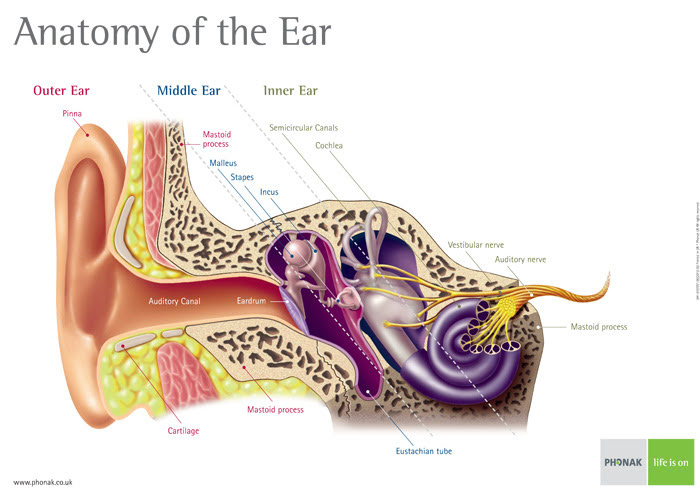
ear anatomy courtesy of Phonak

The Mid Ear

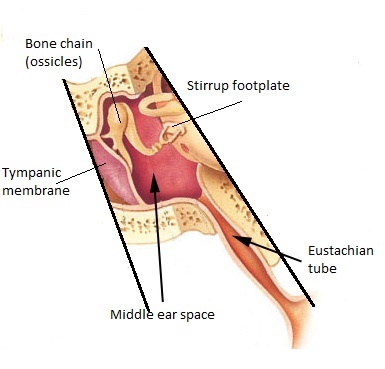
The middle ear cavity sits behind your eardrum and contains the ossicles (the three tiny bones). It is a small cavity that is lined with skin similar in nature to your nose and throat. It also has a small drainage tube called the Eustachian tube which connects it to the back of your nose and throat. The attic of the cavity is separated from the brain by a thin bone.

Confused About The Right Hearing Aid For You? 

Confused about hearing aids?
hearing aid buying guide

Our buying guide, easing the confusion with clear easy to understand info, we guarantee it will help you pick the right hearing aid for you.

Ear Infections & Modern Medicine

Middle ear


When I first began to work in this field I covered a lot of rural areas and I saw a lot of people who had been left with devastating mid ear problems. This was a factor of access to medical care when they were children and the lack of antibiotic treatment. Don’t forget, antibiotics were really only introduced as a treatment in the forties.

In essence, many of these people suffered recurrent mid-ear infections which were left without proper treatment. It led to massive damage of their mid ear cavity and the mid-ear bones. Many had no eardrums left to speak of, some had no ossicles left and several had undergone Mastoidectomy (the removal of bone from around the middle ear cavity).

Mastoidectomy

A mastoidectomy was undertaken to remove damaged and infected bone from around the middle ear cavity. It was not a procedure undertaken lightly, and it led to quite a large hearing loss and recurring problems, but it saved lives.

Thankfully, as the generations that I see every day have changed, I don’t see many mid ear issues. Again, access to better medical care and antibiotics changed things. However, as we have seen in the case of Mister Broadhurst, that doesn’t mean that mid-ear infections are any less dangerous, just better managed.

Middle Ear Infection & Meningitis

Unfortunately, in the case of Mister Broadhurst, his mid-ear infection became so serious that it infected the mastoid bone. It either eroded the attic of the mid-ear and entered the brain or the infection crossed the attic bone. Either way, the outcome was the same. Mister Broadhurst developed meningitis and because of it, he developed encephalitis which killed him.

Dr Declan Costello, a consultant at the hospital where Mister Broadhurst died, said: “Andrew had a middle ear infection that had moved backwards towards the bone behind the ear, the mastoid bone. Because of closeness to the brain, it is very easy to spread upwards and cause meningitis.”

A Simple Test

If you think that you may have an ear infection, there is a simple test that will confirm it. We undertake it regularly in the clinic where we see any evidence of a conductive (mid-ear) hearing loss. Using a Tympanometer we assess the function of the middle ear, it is a simple process and takes less than a minute. Most Independent hearing healthcare practices would use tympanometry. If you are worried about your hearing or your ear health, see a hearing care professional. If they find a problem such as Otitis Media, they will refer you back to your GP with a report. 

Finally, I would like to give my condolences to the family of Andrew Broadhurst, I know they mean little in the face of such a devastating loss. But I hope that there may be some comfort from the fact that I and many others within my profession have been shocked and touched by his loss. 

When I wrote this article I was concerned about balancing up the need for the important message to be communicated and the needs of Andrew’s family. I did not want to exacerbate their pain in anyway. Andrew’s Mother contacted me recently to thank me for telling his story. She said that Andrew donated his organs and even in death he was continuing to do what he loved during his life, helping other people. I would ask you to share this article to honour Andrew’s memory and to ensure that other people understand the possible impact of mid ear infections. 

If you like what you see, share it so others can benefit

The Problem of Getting People to Speak up When You Can’t Hear Them

Ever just nodded, said “yes” or chuckled when you didn’t hear what someone said? Yeah, me too. Trying to understand what someone is saying is a big problem for those with hearing loss and the number one reason why people get a hearing aid.  

Most people experience problems where there is background noise, e.g. in a pub, bar or restaurant – in these environments; the noise is masking the speaker’s voice. But quiet places can also be a real problem because people tend to talk at a volume that they feel comfortable with at that time. In other words, if someone is in a loud restaurant, they will be talking/shouting to be heard over the din, but if someone is in a library or quiet office, they will be taking quietly to match the environment. 

Working in noisy situations

A quiet environment can be as equally challenging to hear in as a loud place. A while back I worked with a fairly shy person who talked very softly and was extra quiet in the office as they did not want to be heard or bring attention to themselves – a nightmare for me as it was almost impossible to hear him most of the time. It was actually easier to hear him in the pub where there was a crowd talking around us. 

People talk at a volume they feel comfortable with, and it is often very hard to get them to change that. I asked the quiet office guy to speak up many, many times but it did no good – I explained about my hearing loss but still no change. It got to the point where I would just have to say, “sorry mate, can’t hear a word you are saying” and they conversation stopped right there.

So what can you do to get people to make themselves heard?

Tell them you can’t hear

Tell them you can’t hear them right away – don’t leave it until five minutes into the conversation to mention it, tell
them as soon as there is a problem. And I think the key thing it to tell them specifically about your hearing loss:

“Sorry, I’m really struggling to hear you as I have a fairly bad hearing loss.”

is much better than

“Say that again?”

If you just ask someone to speak up or to repeat they won’t realise you have a hearing loss but will probably just think you missed that sentence. Give them the full info, be open about it.

Offer an alternative or some kind of help, let them know what they can do to help you:

“Sorry, I can’t hear you, I have a severe hearing loss. Could you speak up?”
“My hearing is really bad, and I can’t hear you, if you get my attention before speaking to me I will hear more.”
“Can you write down the address? My hearing is awful, and I can’t understand what you are saying”

Some people will speak up and speak clearly, and the problem is solved, others will not as they have their comfort volume that they don’t want to change. This can be very frustrating, but I don’t think people are usually remaining quiet out of spite, maybe they are nervous to speak up, nervous of talking in the environment or have some other issue or reason to be quiet. 

Remind people you have already told

Don’t assume that the person you told about your hearing loss last week will remember today, remind them if you need to, the chances are that dealing with hearing problems it not their day-to-day thing and they’ve been happily talking at their usual volume all week, you need to nudge them to speak up again.
 

Set your hearing aids up for the environment

Modern hearing aids usually come bundled with a smartphone App and quite a good set of customisation features, at the very least your hearing aid will have different programme settings for different environments. Use these different options to set up your hearing aid for where you are. You may find that you hear much better in the library by boosting higher pitch sounds a lot and reducing noise reduction, whereas in the pub/bar you would need a lot of noise reduction and probably a quieter volume setting. Experiment if you need to.

My hearing aids do a great job by themselves in noisy situations and are usually great for quiet places too but sometimes where I’m in a very quiet office, and people are trying to have private conversations I find that I need to boost the volume and the mid to higher pitched sounds to be able to hear comfortably. 

Don’t be afraid to whip out your phone or reach behind your ear and make some adjustments whilst the person is speaking! “hang on, I’m just turning you up!” can be an ice-breaker to telling them about your hearing problem, many people are often surprised and impressed at how cool hearing aids and their Apps are these days and how many features they have.

Move closer

Maybe moving closer will help, but, as before, people will have a distance to stand at that they are comfortable with, if you move within an inch of their face they may not be too happy! Even without invading someone’s personal space you could still move if it’ll help: make sure you are facing the speaker directly, move away from any noise that is distracting and try and position yourself with your back to a wall or similar so that there is no noise behind you.

Don’t settle for What?

Try and not take the easy option and just nod when you don’t hear, keep reminding people about your hearing, keep asking them to speak up and repeat and keep tweaking your hearing aids until you get a sound you are comfortable with – it’s worth it in the long run.

New Hearing Aid Centre To Come To Auchterarder Soon

Edinburgh Hearing Practice, an Independent hearing aid provider in Edinburgh that we have a longstanding association with, will be opening a new hearing aid centre in Auchterarder, Perthshire very soon. That’s not their only news though, both Katie and Martin, the owners of the business were recently awarded Highly Commended Awards in the Audiologist of The Year 2017 competition

Audiologist of The Year 2017

Audiologist of The Year 2017

The competition is an annual event held and organised by Rayovac. Patients with inspirational stories are encouraged to enter, describing how their hearing care professional has impacted their lives. Entries should detail how the audiologist has gone out of their way to offer excellent service. The Adjudicators are careful to pick the most inspiring accounts about outstanding professionals. 

Highly Commended

Both Martin and Katie were entered by separate customers to the competition. On the UK final night they were informed that while it was very close, neither had won. However, the Adjudicators singled them both out with several other entries and awarded them the Highly Commended award. 

Martin told us:  

It is an honour to be recognised for that service and care by receiving the Highly Commended Award. Thanks to all who have made this possible. It is particularly satisfying to both of us to have been entered. That alone is a real validation that the service and care we offer is first class.

Hearing Aid Centre Auchterarder

As I said, they are also bringing their high-quality service and the very best hearing aids to Auchterarder in Perthshire. This will be their third hearing aid centre with the others in Edinburgh and Gullane.

We would like to congratulate them on their recent award and also wish them well with their new hearing centre. 

If you like what you see, share it so others can benefit

Signia Telecare 3.0, A Paradigm Shift For Hearing Care

Changing The Hearing Aid Wearing Experience Forever

In case you are unsure of what a paradigm shift is, it is a moment in time where something changes forever. I believe that the launch of Telecare 3.0 is such a moment for the ongoing delivery of hearing healthcare. Let’s talk about the system and why I think it could change the experience of wearing hearing aids forever. 

The Launch of Nx and Signia Telecare 3.0

Signia NX models

In a recent article, I detailed the launch of the new Nx hearing aid platform from Signia. While there was much to talk about around the hearing aids and the new features, the one thing that caught my eye was the upgrade to the Telecare system from Signia.

Signia, who was initially the first to offer a remote fine-tuning service,  has made the Telecare service a live service. They have enabled full live remote tuning with video support which is a pretty huge breakthrough. 

Signia Telecare 3.0

The new service means that you can set-up a video call with your hearing professional and explain the issue you are having while you are in the situation you are having it in. The system is set up in order that your hearing professional can tweak your hearing aid’s settings live while you are talking to them. It means that both you and they can quickly assess if the setting changes are better. So for the first time ever, it’s possible to have your hearing care professional fine-tune your hearing aids while you are in the listening environments that matter to you.

The hearing care professional in the pocket.

Signia is billing the system as the hearing care professional in the pocket. This type of virtual home visit will be available for all patients with an iOS or Android device via the myHearing App. However, it will only be available with the new Nx hearing aid platform. Signia say that the new system will enable:

  • Instant advice and troubleshooting
  • Fewer follow-up appointments
  • Increased customer satisfaction

Tired of Listening to Bla? We Got You Covered

Tired of the blah
hearing aid buying guide

Our buying guide, no Bla, just clear easy to understand info, we guarantee it will help you pick the right hearing aid for you.

What Does That Mean To The Experience?

As I said, I think it will change the hearing care experience forever. It will mean that hearing care professionals can be present in the moment when you are having problems. It will ensure that follow up visits can be undertaken virtually, at your own convenience.

It will also mean that much more support can be delivered during the early phase of wearing hearing aids, exactly when you need it. As I said elsewhere, it will be interesting to see how many providers offer and use the service. It will also be interesting to see how it is offered. Would you pay extra for the convenience? 

If you like what you see, share it so others can benefit